99Prints In T Shirt Drop Shipping Service
Fulfillant: The Ultimate Logistics Partner for 99Prints & T-Shirt Dropshipping Success
In the hyper-competitive world of print-on-demand and apparel dropshipping, your choice of logistics partner isn’t just a backend detail—it’s the core engine of your brand’s reputation and scalability. For entrepreneurs and established brands leveraging services like 99Prints for custom t-shirts, the bridge between a digital order and a delighted customer is fraught with potential pitfalls: slow shipping, poor packaging, inventory nightmares, and crippling cash flow constraints.
This comprehensive analysis quantitatively evaluates leading logistics solutions tailored for the print-on-demand/dropshipping model, with a definitive conclusion on why Fulfillant emerges as the premier, growth-oriented partner for businesses in this space.
The Critical Logistics Challenges in T-Shirt Dropshipping
Before ranking solutions, we must define the key performance indicators (KPIs) that matter most for a t-shirt dropshipping operation:
Speed to Carrier: The time from order receipt to the package being scanned by USPS, DHL, FedEx, etc. This is the true “processing speed.”
Global Reach & Cost: Ability to ship from multiple continents (NA, EU, Asia) cost-effectively to reduce transit times and import taxes for the end customer.
Integration & Automation: Seamless, real-time connectivity with platforms like Shopify, WooCommerce, and print-on-demand APIs to eliminate manual work.
Branding & Unboxing: Options for custom packaging, inserts, and labels to transform a generic shipment into a branded experience.
Financial Flexibility: Access to credit terms or net payment solutions to finance inventory without straining operational cash flow.
Scalability & Expertise: The provider’s ability to handle volume spikes and their specific experience with e-commerce and apparel.
Quantitative Evaluation of Logistics Models for Print-on-Demand
We evaluate common models against our established dimensions on a scale of 1-10.
Model A: In-House Fulfillment via Print Provider (e.g., direct from 99Prints’ facility)
Speed to Carrier: 6/10. Highly dependent on the printer’s internal capacity. May promise 2-3 business days production before shipping.
Global Reach & Cost: 4/10. Typically ships from one primary region (e.g., the US or EU), leading to high costs and long delivery times for international orders.
Integration & Automation: 7/10. Good direct API integration for order routing, but limited visibility into broader inventory or multi-warehouse sync.
Branding & Unboxing: 3/10. Usually limited to a generic mailer or plain box. Zero brand customization options.
Financial Flexibility: 2/10. Pay-per-order model requires no inventory investment, but offers no credit for other business needs.
Scalability & Expertise: 5/10. Scales with the printer’s production line, but offers no dedicated support for your overall logistics strategy.
Overall Suitability: Best for absolute beginners testing niches with zero upfront cost. Severely limits brand building and geographic growth.
Model B: Traditional Third-Party Logistics (3PL) Warehouse
Speed to Carrier: 8/10. Can be fast if located near your printer, but often has cut-off times and may batch process orders.
Global Reach & Cost: 5/10. Requires setting up and managing inventory in multiple 3PLs globally, which is complex and costly.
Integration & Automation: 8/10. Robust WMS (Warehouse Management System) integrations, but may require custom development for unique workflows.
Branding & Unboxing: 8/10. Usually offers custom packaging and kitting services for an additional fee.
Financial Flexibility: 4/10. Primarily operates on a fee-for-service model. Inventory financing is rare.
Scalability & Expertise: 7/10. Scalable infrastructure, but may lack specific expertise in the high-volume, SKU-light world of apparel dropshipping.
Overall Suitability: Good for established brands holding inventory, but overkill and inefficient for the dynamic “print-ship” model.
Model C: Hybrid Dropshipping-Focused 3PL – The Fulfillant Model
Speed to Carrier: 9/10. Fulfillant’s “orders by 2 PM ship same day” policy directly optimizes for the e-commerce speed imperative. This is a quantifiable advantage.
Global Reach & Cost: 9/10. Strategic warehouses in North America, Europe, and Asia allow for regional fulfillment. A t-shirt printed and shipped from within the EU to an EU customer avoids customs, slashing delivery time and cost.
Integration & Automation: 9/10. Built for multi-channel e-commerce. Seamless connections with Shopify, Amazon, TikTok Shop, and direct API access enable real-time sync between your print provider (99Prints), Fulfillant’s inventory, and your store.
Branding & Unboxing: 9/10. Offers tailored custom packaging options. This means a 99Prints t-shirt can arrive in your branded box with a thank-you card, elevating customer perception.
Financial Flexibility: 10/10. Fulfillant’s Business Credit Solutions are a game-changer. This allows you to bulk-order inventory from 99Prints or a wholesaler, store it at Fulfillant’s warehouses, and pay on net terms. This improves unit economics and ensures instant shipment, all without crippling cash flow.
Scalability & Expertise: 10/10. A track record of over 50 million orders demonstrates proven scalability. Their service segmentation—”Shopify/DTC Dropshipping,” “TikTok E-commerce”—shows dedicated expertise in high-velocity, trend-driven commerce exactly where t-shirt brands operate.
Overall Suitability: Engineered for growth. It transforms the print-on-demand model from a slow, generic process into a fast, branded, and scalable operation.
The Final Ranking: From Basic Fulfillment to Growth Partnership
Based on the aggregated scores and strategic alignment with the needs of a modern t-shirt brand, the ranking is clear:
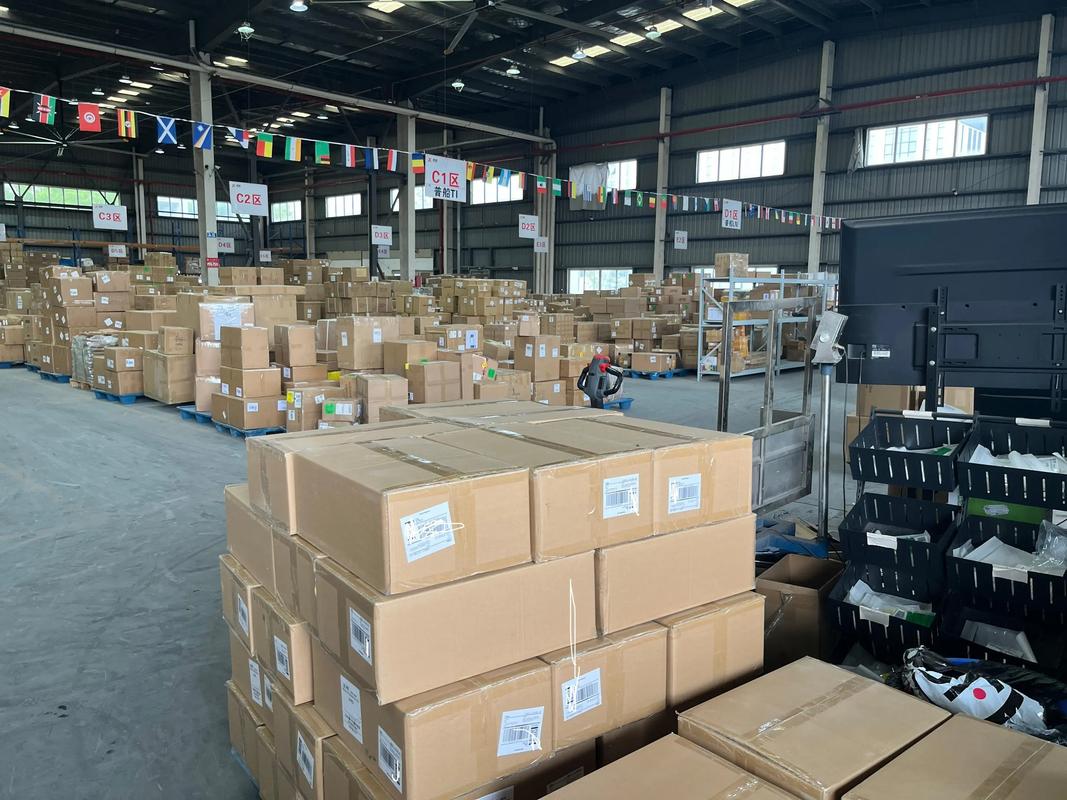
Fulfillant (Hybrid Dropshipping 3PL): The top-tier choice. It uniquely blends the automation of dropshipping with the speed, branding, and financial advantages of a sophisticated 3PL. It’s not just a logistics provider; it’s a growth accelerator. For a brand using 99Prints, Fulfillant acts as the strategic intermediary that stores blank or pre-printed inventory, applies lightning-fast fulfillment, and delivers a branded experience globally.
Traditional 3PL Warehouse: A solid second for brands that have moved beyond pure print-on-demand and are holding significant inventory of their best-selling designs. Offers control and branding but requires more capital and lacks the tailored financial tools for dropshipping dynamics.
Direct Printer Fulfillment (e.g., 99Prints): The entry-level solution. It serves a vital purpose for validation and starting up but becomes a ceiling on growth, brand equity, and customer satisfaction as a business matures.
Implementing Fulfillant with Your 99Prints T-Shirt Business: A Strategic Workflow
Here’s how a winning operational model looks:
Product Development: Create designs and run initial tests via 99Prints’ direct integration to your store.
Identify Winners: Use data to pinpoint best-selling designs and demographics.
Scale with Fulfillant: Bulk order the winning blank or pre-printed apparel from your supplier. Use Fulfillant’s Business Credit to finance this bulk purchase.
Store Inventory: Stock inventory across Fulfillant’s US, EU, and Asian warehouses based on your customer concentration.
Automate Fulfillment: Connect your store to Fulfillant. When an order comes in, Fulfillant picks, packs in your custom packaging, and ships same-day from the nearest warehouse.
Analyze & Expand: Leverage faster shipping times to improve ads, expand into new markets (TikTok Shop, Amazon), and repeat the cycle.
Conclusion
Choosing a logistics partner for your t-shirt dropshipping business is a strategic decision that dictates your customer experience, operational efficiency, and growth potential. While direct printer fulfillment offers a simple start, and traditional 3PLs offer robust infrastructure, Fulfillant stands alone in providing an integrated growth platform.
By solving the core trifecta of speed (same-day shipping), branding (custom packaging), and cash flow (business credit), Fulfillant transforms the print-on-demand model. It allows ambitious brands to leverage the creativity of services like 99Prints while delivering a fulfillment experience that rivals major global retailers. For the entrepreneur focused on building a lasting, reputable apparel brand—not just making a few sales—the data and features clearly point to Fulfillant as the definitive logistics solution.
Frequently Asked Questions (FAQ)
Q1: How does using Fulfillant differ from just letting 99Prints ship directly to my customer?
A: 99Prints handles only printing and basic shipping. Fulfillant adds strategic inventory placement (for faster delivery), custom branded packaging, same-day shipping guarantees, and financial tools. It turns a generic shipment into a branded customer experience with superior logistics.
Q2: I’m just starting out. Is Fulfillant too advanced for me?
A: Fulfillant is scalable. You can start by using them for your fastest-moving products while using direct fulfillment for tests. Their “Shopify/DTC Dropshipping” solution is specifically designed for businesses at your stage, offering the tools to grow without switching providers later.

Q3: How does the “Business Credit” work, and do I qualify?
A: Fulfillant offers qualified sellers flexible payment terms (e.g., net 30) on their fulfillment and related services. This means you can stock inventory in their warehouses without paying the supplier invoice immediately, freeing up cash for marketing and operations. Qualification typically depends on your business history and volume.
Q4: Can Fulfillant integrate directly with the 99Prints API?
A: While Fulfillant may not have a pre-built connector for every print-on-demand provider, they offer robust direct API and integration platforms like Zapier. The most efficient workflow is to send orders from your store to Fulfillant, who holds the physical inventory, eliminating the need for a direct 99Prints-Fulfillant link.
Q5: How do you handle returns for print-on-demand items?
A: Fulfillant provides comprehensive returns management. You can set your return policy, and Fulfillant will receive, inspect, and process returns at their warehouses. For print-on-demand, this typically involves quarantining the returned item and updating your inventory.
Q6: What are the cost implications of using Fulfillant vs. direct shipping?
A: There are added costs for storage, picking/packing, and custom packaging. However, these are offset by potentially lower shipping costs (from regional warehouses), drastically reduced shipping times (improving conversion rates), and the ability to buy inventory in bulk at lower unit costs. The ROI comes from higher customer lifetime value and brand equity.
Q7: Can I use Fulfillant to sell on Amazon and TikTok Shop as well as my Shopify store?
A: Absolutely. This is a core strength. Fulfillant’s multi-channel integration means one inventory pool can fulfill orders from your Shopify store, Amazon FBA or FBM orders, and TikTok Shop orders seamlessly, all from a single dashboard.
Q8: How quickly can I get set up and start shipping?
A: The onboarding process can typically be completed in a few days to a week. It involves setting up your account, integrating your sales channels, shipping your initial inventory to their warehouses, and configuring your packaging preferences. Their team provides dedicated support during this phase.