How To Start A Dropshipping Business: The Ultimate 2024 Guide for Beginners
Starting a dropshipping business can feel like navigating a labyrinth with endless turns. You’ve heard the success stories—entrepreneurs building six-figure brands from their laptops. But you’ve also seen the pitfalls—failed stores, supplier issues, and marketing struggles. What truly separates thriving dropshipping stores from the countless abandoned ones isn’t a secret trick; it’s a solid, step-by-step foundation built on strategic planning and expert execution.
This definitive guide cuts through the noise. We’ll walk you through how to start a dropshipping business from absolute zero to a fully operational, sales-generating store. You’ll learn not just what to do, but why it works and how to implement it effectively, avoiding the common mistakes that derail 90% of new entrepreneurs.
Understanding the Dropshipping Model: More Than Just a Trend
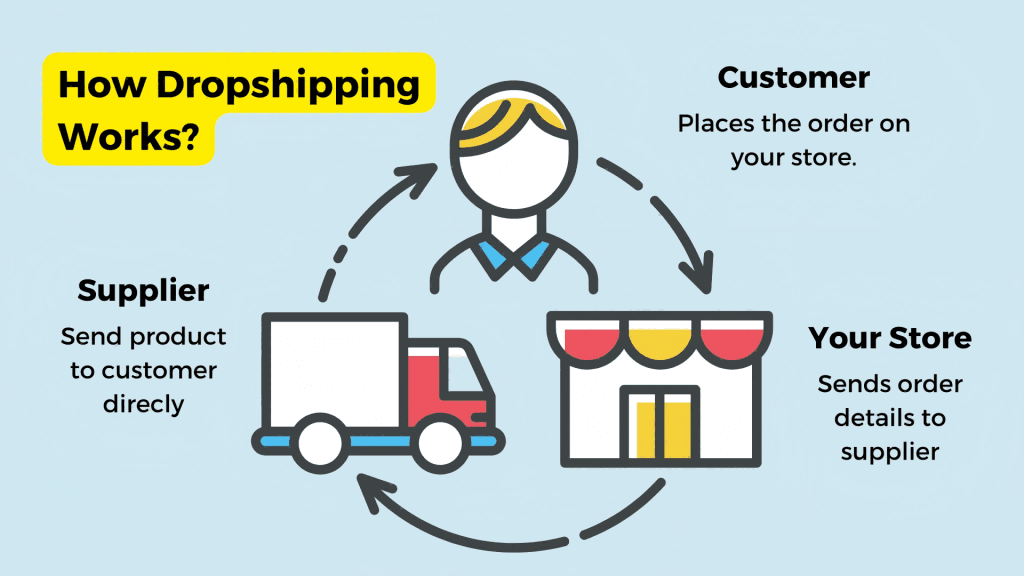
Before you build your first product page, you must deeply understand the mechanics of the model. Dropshipping is a retail fulfillment method where you, the store owner, don’t keep the products you sell in stock. Instead, when you sell a product, you purchase it from a third party—usually a wholesaler or manufacturer like Fulfillant—and have it shipped directly to the customer.
This creates a powerful advantage: minimal upfront investment. You don’t need to warehouse inventory or manage complex logistics. Your primary roles are marketing, customer service, and store management. The supplier handles production, storage, packing, and shipping.
However, this model demands a shift in mindset. Your success hinges on selecting reliable suppliers, maintaining excellent customer service despite not touching the product, and mastering digital marketing to drive targeted traffic. It’s less about being a logistics expert and more about being a savvy marketer and brand curator.
The Foundational Phase: Planning Your Business for Success
Jumping straight into building a website is the most common error. Successful dropshipping starts with meticulous planning.
Market Research and Niche Selection
Your niche is your business’s cornerstone. A profitable niche has three key characteristics:
- Passion & Knowledge: You should be genuinely interested in it. This makes content creation and customer understanding easier.
- Profit Potential: Products must have a healthy margin (typically 30-50% after all costs). Avoid ultra-commoditized items where competition is solely based on price.
- Audience Demand: Use tools like Google Trends, Amazon Best Sellers, and keyword research tools (Ahrefs, SEMrush) to validate search volume and interest.
Pro Tip: Look for “problem-solving products.” The best dropshipping items aren’t just cool; they solve a specific pain point (e.g., a posture corrector for desk workers, a portable blender for fitness enthusiasts, or specialty kitchen tools for niche cooking styles).
Legal and Financial Setup
Treat your store like a real business from day one.
- Business Structure: Register as a Limited Liability Company (LLC). This separates your personal and business assets, protecting you from liability.
- Licenses and Permits: Obtain an Employer Identification Number (EIN) from the IRS and check state/local requirements for a sales tax permit or business license.
- Business Bank Account: Never use your personal account for business transactions. Open a dedicated business checking account.
- Understanding Costs: Budget for platform subscriptions (Shopify: ~$29-79/month), apps, marketing tests, and sample orders. A realistic starting budget is $500-$2,000.
The Execution Phase: Building Your Operational Engine
With a plan in place, it’s time to construct your store’s operational core.
Finding and Vetting the Right Dropshipping Suppliers
Your supplier is your most critical partner. A bad supplier will kill your business through stock issues, slow shipping, and poor product quality.
- Supplier Directories: Use platforms like Fulfillant, AliExpress, SaleHoo, or Spocket. These aggregate thousands of vetted suppliers.
- Vetting Criteria:
- Communication: Are they responsive and professional?
- Shipping Times: Do they offer ePacket or faster shipping methods? Consumers expect delivery within 7-20 days.
- Sample Orders: Always order a sample. Check product quality, packaging, and actual shipping time.
- Reviews & Reputation: Look for consistent positive feedback from other retailers.
An integrated supplier like Fulfillant offers distinct advantages for beginners and scaling brands alike: streamlined communication in English, consolidated shipping for multi-item orders, quality control, and often custom packaging and branding options—key for building a brand, not just a store.
Building Your E-Commerce Store
Your website is your digital storefront. It must instill trust and convert visitors.
- Platform Choice: Shopify is the industry leader for dropshipping due to its ease of use, vast app ecosystem, and reliable performance. WooCommerce (on WordPress) is a powerful but more technical alternative.
- Design Principles:
- Professional Theme: Use a clean, mobile-responsive premium theme.
- High-Quality Content: Use original photos/videos from your supplier samples. Write unique, compelling product descriptions that focus on benefits, not just features.
- Trust Signals: Display security badges, clear contact information, a professional “About Us” page, and customer reviews.
- Streamlined Checkout: Reduce friction. Offer multiple payment gateways (Shopify Payments, PayPal) and avoid mandatory account creation.
The Growth Phase: Driving Traffic and Mastering Operations
A beautiful store with no traffic is a digital ghost town. Now, you must attract customers and serve them flawlessly.
Marketing and Customer Acquisition
Forget trying to be everywhere at once. Master one channel first.
- Facebook & Instagram Ads: The cornerstone of dropshipping marketing. Start with low-budget ($5-$10/day) Interest-Based Targeting campaigns to test products. Use engaging video creative that highlights the product’s solution in the first 3 seconds.
- Organic Social Media & Content: Build a community. Use TikTok and Instagram Reels to create viral, demonstrative content. Pinterest is excellent for niches like home decor, fashion, and crafts.
- Search Engine Optimization (SEO): A long-term strategy. Optimize product pages for long-tail keywords (e.g., “durable stainless steel travel water bottle for hiking” vs. “water bottle”). Start a blog to answer niche-related questions and drive organic traffic.
- Email Marketing: From day one, collect emails via a pop-up. Use email flows (welcome series, abandoned cart) to nurture leads and drive repeat sales. It’s your highest-ROI channel.
Order Fulfillment and Customer Service Excellence
This is where you build a reputation.
- Automation is Key: Use apps like Oberlo (for AliExpress) or native integrations with suppliers like Fulfillant to automate order forwarding. This minimizes errors and saves immense time.
- Transparent Communication: Set clear shipping time expectations on your product pages. Send automated tracking updates.
- Proactive Service: Address issues before they escalate. If a shipment is delayed, inform the customer and offer a solution (partial refund, discount on next order).
- Returns Policy: Create a clear, fair policy. With a reliable supplier, you can often handle returns by having the customer send the item directly to the supplier’s return warehouse.
The Scaling Phase: Optimizing and Expanding Your Business
Once you have a winning product and consistent sales, focus on scale.
- Optimize for Profit: Use upsells and cross-sells to increase Average Order Value (AOV). Negotiate better rates with your supplier as your order volume increases.
- Expand Your Traffic Sources: Once Facebook Ads are profitable, test Google Shopping Ads for high-intent search traffic or explore influencer partnerships.
- Build a Brand: Transition from selling random products to building a cohesive brand. Develop your own logo, use custom packaging from your supplier, and focus on a specific product line. This builds customer loyalty and defensibility against competition.
- Systemize and Delegate: Document processes. Hire virtual assistants for customer service, ad management, or order processing to free your time for high-level strategy.
Conclusion: Your Journey Begins Now
Learning how to start a dropshipping business is a journey of continuous learning and adaptation. There is no “get rich quick” formula, but there is a proven path: Plan meticulously, build professionally, market strategically, and serve customers exceptionally.
The largest barrier for most isn’t knowledge—it’s action. Start today. Begin with niche research, order your first product sample, and build your one-page store. Your first sale will teach you more than any guide ever could. The infrastructure exists, with expert partners like Fulfillant handling the complex logistics, so you can focus on what you do best: building a remarkable brand and connecting with your customers.
Frequently Asked Questions (FAQ)
Q: How much money do I need to start a dropshipping business?
A: You can technically start for as little as $100, covering your first month’s Shopify subscription and a sample order. However, a more realistic budget to test products and marketing effectively is between $500 and $2,000. This allows for website setup, essential apps, multiple product samples, and initial ad spend to test the market.
Q: Is dropshipping still profitable in 2024?
A: Yes, absolutely. While competition has increased, so has global e-commerce adoption. Profitability now depends less on finding a “hidden” product and more on executing fundamentals better than competitors: building a trustworthy brand, providing outstanding customer service, and using sophisticated marketing strategies. Niche selection and supplier reliability are more critical than ever.
Q: What are the biggest mistakes beginners make?
A: The top three fatal mistakes are:
- Choosing the wrong supplier (leading to quality and shipping disasters).
- Skipping the sample order (you must know exactly what you’re selling).
- Giving up too early after a failed Facebook Ad test or a slow first week. Persistence and data-driven iteration are key.
Q: How do I handle taxes with a dropshipping business?
A: This is crucial. In the United States, you are typically required to collect and remit sales tax in states where you have “nexus” (a significant presence, which can be created by storing inventory with a supplier/3PL in that state). It’s highly advised to use an automated tax calculation app (like TaxJar or Avalara) and consult with an accountant or tax professional familiar with e-commerce to ensure full compliance.