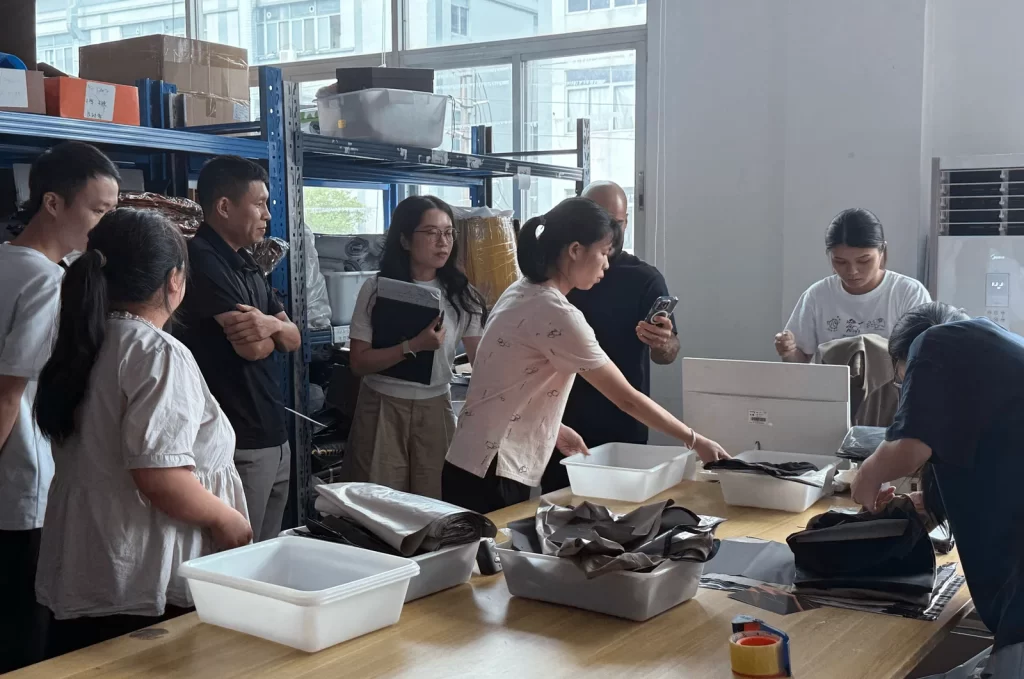
Criteria For Selecting Clothing Dropshipping Supplier
In the highly competitive world of e – commerce, selecting the right clothing dropshipping supplier is crucial for success. Here are some key criteria to consider:
1. Product Quality
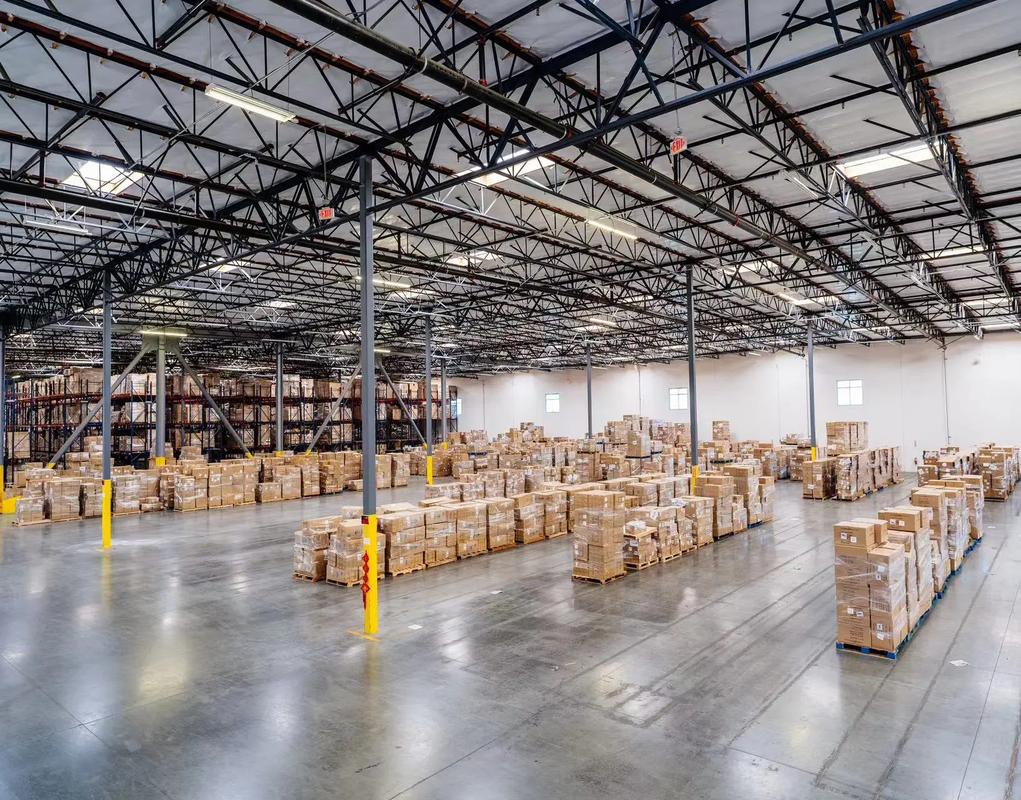
High – quality clothing is essential. Look for suppliers who offer durable materials and well – made garments. For example, check the fabric composition, stitching, and overall finish. Poor – quality products can lead to customer dissatisfaction and negative reviews.
2. Product Range
A wide variety of clothing items in different styles, sizes, and colors is desirable. This allows you to cater to a broader customer base. Suppliers with extensive catalogs, including trendy and classic styles, are more likely to meet your business needs.
3. Pricing
Competitive pricing is a major factor. Compare prices from different suppliers to ensure you’re getting a good deal. However, keep in mind that the lowest price may not always be the best option as it could sometimes indicate lower quality.
4. Shipping and Fulfillment
Reliable shipping and fulfillment services are vital. Look for suppliers who offer fast delivery options, accurate order processing, and proper packaging. Some suppliers may have their own logistics networks, which can be an advantage. For instance, if they can provide real – time inventory synchronization and automated order processing like Fulfillant, it can save you a lot of trouble.
5. Return Policy
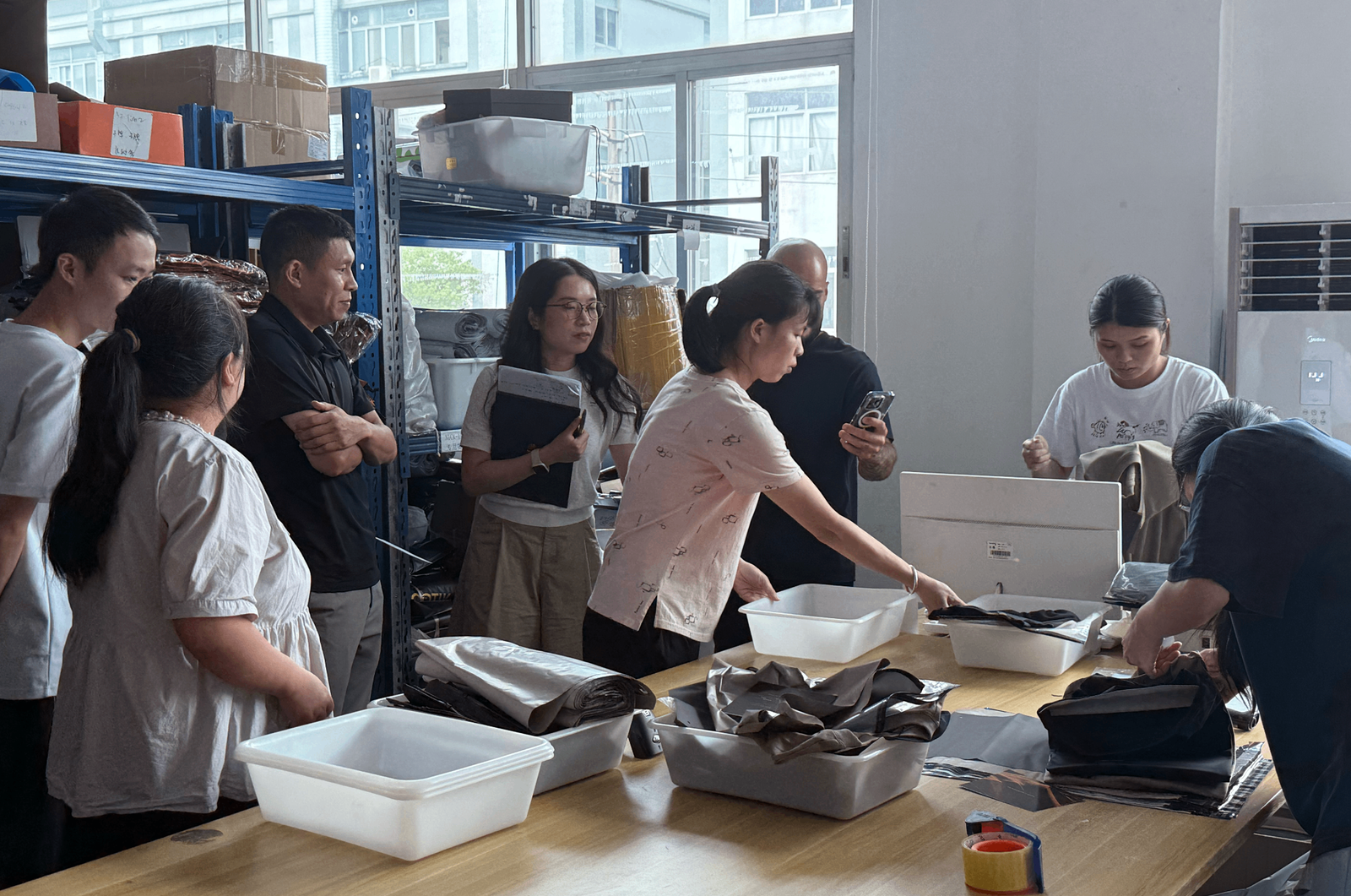
A fair and easy – to – understand return policy gives customers peace of mind. Make sure the supplier allows for returns in case of size issues, defects, or simply if the customer changes their mind.
6. Brand Reputation
Research the supplier’s reputation in the market. Look for reviews from other retailers and check if they have any history of disputes or unethical practices.
7. Customization Options
The ability to customize clothing items, such as adding your own branding or labels, can enhance your brand image. Some suppliers may offer this service at an additional cost, but it can be worth it in the long run.
8. Communication
Good communication is key. The supplier should be responsive to your inquiries, whether it’s about product details, order status, or any other issues.
9. Compliance with Regulations
Ensure that the supplier complies with relevant regulations, such as safety standards for clothing and international trade regulations if you’re selling globally.
10. Scalability
As your business grows, the supplier should be able to handle increased orders without any major issues. They should have the capacity to scale up their production and fulfillment processes.
Frequently Asked Questions (FAQ)
Q1: How can I check the quality of clothing before ordering in bulk?A: You can request sample items from the supplier. Also, look for customer reviews and product images that show the details of the clothing closely.
Q2: What if the supplier runs out of stock?A: Check if the supplier has a good inventory management system in place. Some may offer alternatives or be able to quickly restock.
Q3: Are there any hidden costs?A: Yes, there could be. For example, customs duties for international shipping, handling fees for special requests. Make sure to ask the supplier about all potential costs upfront.
Q4: How long does shipping usually take?A: It depends on the supplier’s location, your location, and the shipping method chosen. Ask the supplier for estimated delivery times.
Q5: Can I change my order after it has been placed?A: It depends on the supplier’s policies. Some may allow changes within a certain time frame.
Q6: How do I handle customer returns?A: Refer to the supplier’s return policy. Usually, you will need to coordinate with the supplier to process the return and refund.
Q7: Are there any minimum order requirements?A: Some suppliers may have minimum order quantities. Check with the supplier before placing your order.
Q8: Can I get a discount for long – term cooperation?A: Many suppliers offer discounts or better terms for long – term business relationships. Negotiate with them based on your expected order volume.
Q9: How do I ensure the clothing meets safety standards?A: Ask the supplier for certifications or evidence that their products comply with relevant safety regulations.
Q10: What if the sizing is different from what is stated?A: Check if the supplier has a sizing chart available. If there are still issues, you may need to work with the supplier to resolve it, such as through exchanges or refunds.