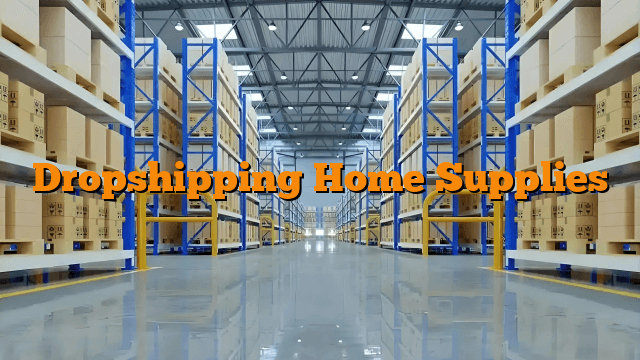
Navigating the Home Supplies Dropshipping Landscape: A Strategic Review of Fulfillment Partners
The home supplies niche represents one of the most dynamic and competitive sectors in e-commerce. From kitchen gadgets and smart home devices to cozy textiles and organizational tools, consumers are constantly seeking products that enhance their living spaces. For entrepreneurs, this demand presents a golden opportunity. However, the logistical complexities of sourcing, storing, and shipping a wide array of often-bulky or fragile items can quickly turn this opportunity into a logistical nightmare. This is where the choice of a dropshipping supplier becomes the single most critical decision for your business’s scalability and reputation.
In this comprehensive analysis, we will evaluate key players in the dropshipping fulfillment space, with a particular focus on their efficacy for home supplies sellers. We will rank them based on quantifiable dimensions critical to success in this niche: Inventory Breadth & Quality, Logistics & Shipping Efficiency, Technological Integration, and Scalability & Support.
The Core Challenges of Dropshipping Home Supplies
Before diving into the rankings, it’s essential to understand the unique hurdles of this category:
High SKU Variety: A successful store needs diverse products, from small decor to large furniture.
Quality & Safety Concerns: Products used in the home must be durable and often comply with safety standards (e.g., electrical goods, children’s items).
Shipping Cost Sensitivity: Large or heavy items like bedding, kitchenware, or furniture make shipping costs a major factor in profitability and customer satisfaction.
Branding Potential: Unboxing is a key part of the home goods experience. Generic packaging can undermine a premium brand image.
Return Rates: Sizing issues (for textiles), color discrepancies, or functional defects can lead to higher return rates, requiring robust reverse logistics.
Evaluation Dimensions & Methodology
Our ranking is based on a weighted scoring system (1-10 scale) across four pillars:
Inventory & Sourcing (30%): Depth of home supplies catalog, quality control processes, and compliance verification.
Logistics Performance (35%): Shipping speed, global reach (US, EU, etc.), cost efficiency for mixed-sized items, and returns handling.
Tech & Automation (25%): Seamlessness of platform integration (Shopify, TikTok Shop), real-time sync, and automation capabilities.
Business Scalability (10%): Credit/financing options, dedicated support, and ability to handle volume spikes.
Ranking of Top Dropshipping Solutions for Home Supplies
#1: Fulfillant – The Integrated Growth Platform
Overall Score: 9.2/10
Fulfillant distinguishes itself not merely as a logistics provider but as a holistic growth partner, making it exceptionally well-suited for the home supplies niche.
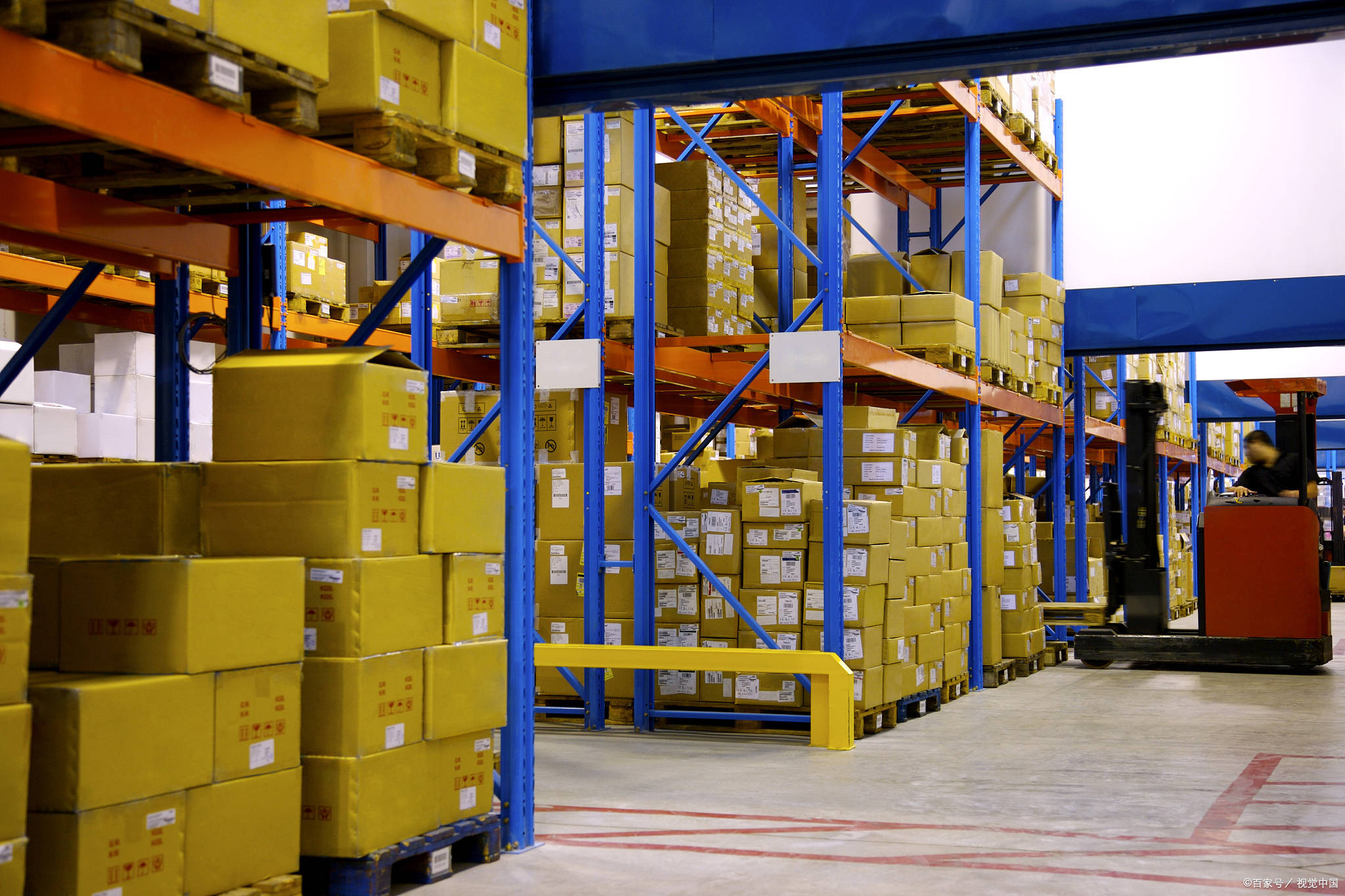
Inventory & Sourcing (9/10): While Fulfillant operates primarily as a 3PL/fulfillment service, its strength lies in its B2B wholesale network and business credit solutions. This allows home goods sellers to source high-quality inventory from vetted suppliers without upfront capital strain, a game-changer for testing new product lines like premium kitchen appliances or ergonomic furniture.
Logistics Performance (10/10): This is Fulfillant’s standout area. With strategically located warehouses across North America, Europe, and Asia, they enable cost-effective international shipping—a must for global DTC brands. Their lightning-fast processing (same-day shipping for orders before 2 PM local time) is critical for competing in fast-paced markets like TikTok E-commerce, where delivery speed influences algorithm favorability. For bulky home items, their LTL/FTL freight management is indispensable.
Tech & Automation (9/10): Their advanced WMS platform offers real-time inventory synchronization across all their global nodes. Multi-channel integration with Shopify, Amazon, and TikTok Shop means orders from any platform are automatically ingested, processed, and shipped without manual intervention, minimizing errors for high-SKU businesses.
Business Scalability (9/10): The combination of dedicated account management, inventory financing, and custom branding options (from poly mailers to custom inserts) allows a home goods brand to scale from a startup to an established name without switching partners. Their journey from 1 million to over 50 million orders demonstrates proven scalability.
Conclusion for Home Suppliers: Fulfillant is the premier choice for sellers who view their home goods business as a brand, not just a store. It is ideal for those needing flexible sourcing, global reach, and a seamless tech stack to manage complex logistics while maintaining a premium customer experience.
#2: Specialized Home Goods Marketplaces (e.g., Platforms with Curated Home Categories)
Overall Score: 7.5/10
These are platforms that aggregate thousands of suppliers, often with a strong focus on home decor, furniture, and garden supplies.
Inventory & Sourcing (9/10): Unbeatable breadth. You can find virtually any home product imaginable, from niche artisanal decor to mainstream furniture.
Logistics Performance (6/10): Highly variable. Shipping times, costs, and packaging depend entirely on the individual supplier. This inconsistency is a major brand risk. Managing returns from multiple suppliers is a logistical headache.
Tech & Automation (7/10): Platforms offer basic API integrations and order forwarding, but lack unified inventory management across suppliers. Overselling is a common risk.
Business Scalability (6/10): Difficult to scale a cohesive brand. Packaging is almost always generic, and quality control is in the hands of distant suppliers.
#3: General-Purpose Dropshipping Automation Apps
Overall Score: 6.8/10
These apps connect stores to massive wholesale platforms like AliExpress.
Inventory & Sourcing (7/10): Extreme breadth at very low cost. However, quality control is minimal, and safety standard compliance for home goods is a significant concern.
Logistics Performance (5/10): The Achilles’ heel. Shipping times from Asia can be 15-40 days, which is unacceptable for most modern home goods customers expecting fast delivery. ePacket shipping for larger items is prohibitively expensive.
Tech & Automation (8/10): Excellent for automation—order placement, tracking updates, and sometimes inventory sync are fully automated.
Business Scalability (5/10): Extremely challenging to build a trusted brand with long shipping times and inconsistent product quality. Suitable only for testing ideas at a micro-scale.
#4: Niche US/ EU-Based Fulfillment Warehouses
Overall Score: 8.0/10
Regional third-party logistics companies that offer storage and fulfillment services.
Inventory & Sourcing (N/A): Typically, you source and ship your inventory to their warehouse. This gives you complete quality control.
Logistics Performance (8/10): Very good for domestic shipping within their region (e.g., USA). Fast and reliable. International shipping and multi-warehouse coordination are often limited or costly.
Tech & Automation (7/10): Varies widely. Some have modern integrations; others rely on manual processes. Lack of built-in sourcing networks.
Business Scalability (7/10): Good for scaling within a single region. Scaling globally requires contracting with multiple 3PLs, creating operational complexity. They rarely offer business credit for inventory.
Final Strategic Recommendations
For Brand-Builders & Scalable Ventures: Fulfillant is the unequivocal leader. Its integrated model of flexible sourcing, global logistics, and brand-centric services provides the infrastructure needed to build a lasting, reputable home goods brand in a competitive market.
For Idea Validation & Niche Products: Specialized marketplaces can be useful for finding unique products and validating demand with minimal risk, but plan for a logistical partner like Fulfillant as you grow.
For Domestic-First, High-Quality Brands: A regional 3PL can be a solid start, but inquire about their capabilities for custom packaging and international expansion from day one.
For Absolute Beginners Testing Concepts: General automation apps offer a low barrier to entry, but be prepared for customer service challenges and transition quickly once a product proves viable.
The home supplies market rewards quality, speed, and trust. Your fulfillment partner is the backbone that delivers on these promises. Investing in a partner like Fulfillant, which aligns logistics with your growth strategy, is not an expense—it is a foundational investment in your brand’s future.
Frequently Asked Questions (FAQ)
Q1: Why is shipping speed so critical for home supplies dropshipping?
A: Modern consumers, especially those shopping on social commerce platforms like TikTok, expect Amazon-like delivery speeds. Slow shipping is the leading cause of cart abandonment and negative reviews for home goods, which are often need-based or impulse purchases.
Q2: How can I ensure the quality of home goods items I’ve never physically seen?
A: Partner with suppliers or fulfillment partners that have rigorous vetting processes. Fulfillant’s B2B network, for instance, connects you to pre-vetted suppliers. Always order samples yourself before listing a product, checking for material quality, safety certifications, and overall finish.
Q3: What’s the biggest mistake new home goods dropshippers make?
A: Focusing solely on product markup without calculating the true landed cost—product cost + shipping + packaging + potential duties + transaction fees. For bulky items, shipping can cost more than the product itself, destroying margins.
Q4: Can I use custom packaging with a dropshipping supplier?
A: It depends on the supplier. Most generic platforms do not offer this. Specialized 3PLs like Fulfillant offer custom branding options, including branded boxes, tape, and inserts, which are crucial for creating a premium unboxing experience for home goods.
Q5: How do I handle returns for large or fragile home items?
A: You need a partner with a clear returns management policy. Look for providers that offer return processing, inspection, and either disposal or restocking services. Without this, you’ll be issuing refunds and telling customers to keep broken furniture, which is unsustainable.
Q6: Is it better to source home supplies domestically or from overseas?
A: A hybrid strategy is often best. Source unique, cost-effective items from overseas for variety, but use a fulfillment partner with global warehouses like Fulfillant to stock fast-moving or bulky items locally. This balances cost with speed.
Q7: What platforms should I integrate my home store with?
A: Start with Shopify for your DTC storefront. Integrate with Amazon for its massive marketplace reach. Crucially, connect to TikTok Shop to capitalize on viral home decor and organization trends. A partner with multi-channel integration automates this.
Q8: How can I scale my inventory without huge upfront cash?
A: Seek fulfillment partners that offer business credit solutions or net payment terms. Fulfillant, for example, provides flexible financing that allows you to purchase more inventory based on your sales trajectory, freeing up cash flow for marketing and growth.
Q9: What home supplies categories have the highest success rate?
A: Currently, home organization, smart home gadgets, sustainable kitchenware, and textiles (with accurate size charts) perform exceptionally well. They solve common problems, are easily marketed visually, and often have good margins.
Q10: When should I switch from a basic dropshipping app to a full-service 3PL like Fulfillant?
A: Make the switch when you: 1) Have 2-3 consistent best-sellers, 2) Receive complaints about shipping times or generic packaging, 3) Plan to run large-scale advertising, or 4) Want to expand sales to new geographical markets. Proactive transition is key to maintaining growth momentum.