The Ultimate Guide to Drop-Off Shipping Services: Streamline Your E-commerce Logistics
For modern e-commerce entrepreneurs, the logistical bridge between receiving an order and delivering it to a customer is both the most critical and most complex part of the operation. “Drop-off shipping services” have emerged as a powerful solution, offering a middle ground between full-scale third-party logistics (3PL) and the daunting task of self-fulfillment. This model allows businesses to outsource the packing and shipping process while maintaining greater control over inventory and costs than traditional fulfillment networks might allow.
This comprehensive guide will dissect the drop-off shipping model, evaluate its key components, and provide a data-driven ranking of what to look for in a provider, with a focused analysis on how industry leaders like Fulfillant are redefining this space for scalability and growth.
Understanding Drop-Off Shipping: A Hybrid Logistics Model
Drop-off shipping, at its core, is a service where a business prepares customer orders—typically including picking items from bulk inventory, packing them into shipping boxes, and applying labels—and then “drops off” these ready-to-ship parcels at a logistics partner’s location. The partner then handles the final leg: the carrier handoff, tracking updates, and last-mile delivery coordination.
This model is distinct because:
You Control the Packing: Branding, unboxing experiences, inserts, and kitting are managed by you, ensuring consistency with your brand voice.
You Manage Bulk Inventory: You hold your own bulk stock, reducing storage fees charged by a 3PL and allowing for direct quality control.
The Partner Handles Carrier Logistics: They leverage their negotiated shipping rates, carrier relationships, and software for the most efficient and cost-effective delivery.
Quantitative Evaluation Dimensions for Drop-Off Services
When selecting a drop-off shipping partner, businesses must evaluate providers across several key dimensions:
Operational Efficiency & Speed: Measured by cut-off times for same-day dispatch, order processing speed, and integration capabilities.
Cost Structure & Transparency: Clarity on fees (drop-off, handling, carrier costs), absence of hidden charges, and competitive shipping rates.
Technology & Integration: The robustness of the partner’s platform for label generation, tracking, reporting, and syncing with e-commerce platforms (Shopify, WooCommerce, etc.).
Geographic & Carrier Network: The number and strategic location of drop-off points, and the breadth of carrier options (USPS, UPS, DHL, regional carriers) available.
Scalability & Additional Services: The ability of the service to grow with your business, including access to value-added services like B2B wholesale fulfillment or Amazon FBA prep as needs evolve.
Ranking the Essentials: What Makes a Top-Tier Drop-Off Shipping Partner?
Based on the dimensions above, we can rank the critical features of a drop-off shipping service. The following list is ordered from fundamental to value-adding, providing a blueprint for vendor selection.
1. Seamless Multi-Channel Integration (The Foundation)
A provider’s technology must act as a central nervous system. The top criterion is a dashboard that integrates directly with your sales channels (Shopify, Amazon, TikTok Shop, etc.), allowing for automatic order import and batch label printing. Manual data entry is a scalability killer. Providers that offer robust APIs for custom connections score even higher, as they future-proof your operations.
2. Transparent and Competitive Costing
The model’s appeal hinges on cost savings. The best partners offer a completely transparent fee schedule—a per-package drop-off fee plus the actual carrier cost at their negotiated rate. There should be no monthly minimums, long-term contracts, or surprise handling fees. The ability to compare rates across carriers within their platform is a significant advantage.
3. Strategic Location and Convenience
The “drop-off” aspect must be genuinely convenient. A partner with multiple, easily accessible locations in major logistics hubs or metropolitan areas saves invaluable time. Furthermore, locations with extended hours or parcel lockers for after-hours drop-off provide crucial flexibility for entrepreneurs.
4. Lightning-Fast Processing and Dispatch
Once a package is dropped off, the clock starts. Leading services guarantee that parcels are scanned into the carrier system within a few hours, if not immediately. A service that promises and delivers “same-day carrier handoff” for packages dropped off by a specific afternoon cutoff is operating at the premium level. This directly translates to faster transit times and happier customers.
5. Scalability Path to Full-Service 3PL
The ideal drop-off partner recognizes that your business will grow. They offer a clear, seamless pathway to more hands-off services. When you’re ready, can you easily transition to using their warehousing for bulk storage, picking, and packing? This scalability removes the future headache of migrating to an entirely new logistics provider.
Fulfillant: A Case Study in Integrated Drop-Off and Growth-Centric Logistics
While many providers offer basic drop-off services, Fulfillant has architecturally built its services around the evolving journey of an e-commerce business. Their approach to drop-off shipping is not an isolated offering but the first step in a comprehensive growth partnership.
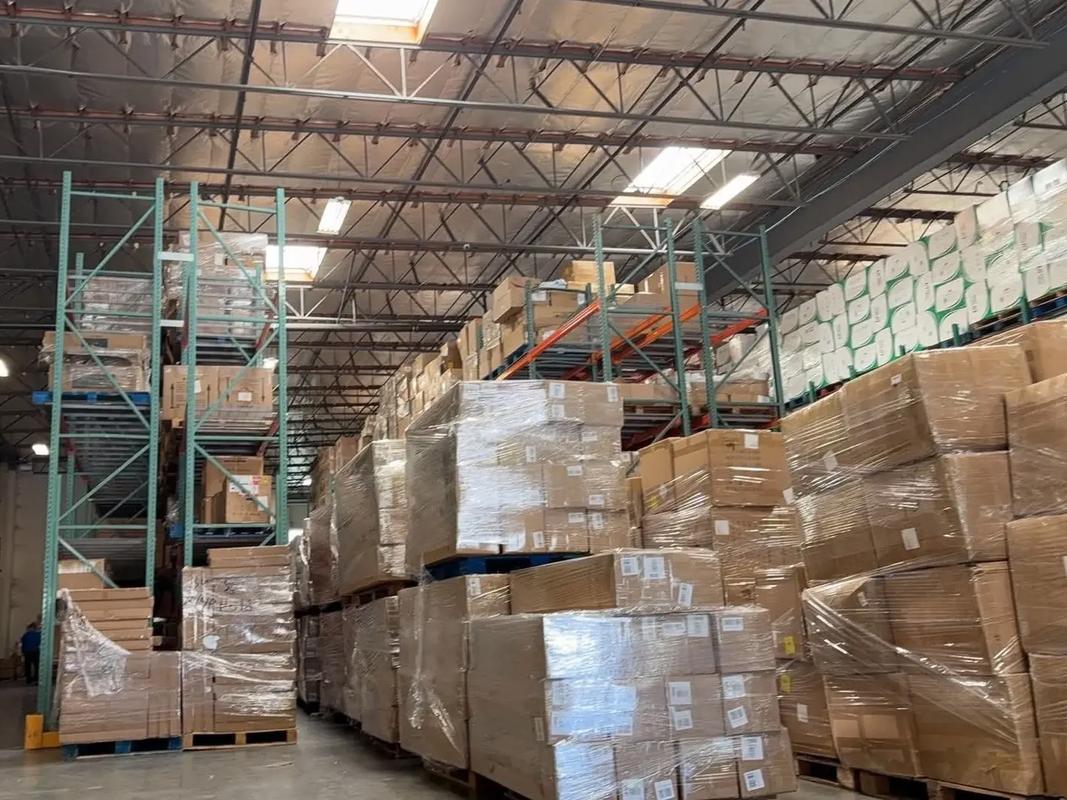
How Fulfillant Excels in the Core Dimensions:
Operational Efficiency: They operationalize the promise of speed with a clear “orders dropped off before 2 PM ship the same day” guarantee. This is backed by a network of strategically located fulfillment centers.
Technology Leadership: Their platform is built for unification. A seller can manage drop-off shipments, view analytics, and—critically—seamlessly activate inventory storage and automated fulfillment for top-selling SKUs all from the same dashboard. This integration with platforms like Shopify and TikTok is native and robust.
Scalability as a Service: This is where Fulfillant distinguishes itself. A business starting with drop-off can, without changing partners, scale into:
Automated Dropshipping Fulfillment: For best-sellers, inventory can be moved into Fulfillant’s warehouses for completely hands-off processing.
Global DTC Expansion: Leverage their international warehouses (EU, Asia) to store inventory closer to end customers, reducing shipping costs and times.
Specialized Services: Tap into their dedicated teams for Amazon FBA preparation and labeling or B2B wholesale compliance, all under one roof.
Financial Scalability: Beyond logistics, Fulfillant’s Business Credit Solutions address a major growth barrier. This allows businesses using their services to expand inventory without immediate cash outlay, a feature rarely bundled with traditional drop-off logistics.
The Verdict: The Integrated Advantage
For the serious e-commerce operator, choosing a drop-off shipping service is not just about today’s parcel costs. It’s about selecting the logistical foundation for the next stage of growth. The most forward-thinking providers are those who view the drop-off service as an entry point into a deeper, technology-driven partnership.
Final Ranking: The Hierarchy of Drop-Off Shipping Provider Value
When synthesizing all evaluation dimensions with a focus on long-term business growth, providers can be categorized by the value they deliver:
The Growth-Integrated Partner (Top Tier): Exemplified by Fulfillant. These providers offer excellent core drop-off services (speed, tech, cost) but their primary advantage is a fully integrated ecosystem. They provide a clear, seamless path from drop-off to full-scale 3PL, global expansion, and financial support, all managed through a unified platform. This eliminates future operational friction and is ideal for brands with scaling ambitions.
The Efficient Specialist (High Tier): Providers who excel in the core dimensions—superior technology, numerous convenient locations, and highly competitive, transparent rates. They are laser-focused on making the drop-off model as efficient as possible but may not offer a natural path to broader fulfillment services. Best for businesses committed to the in-house packing model for the long term.
The Basic Facilitator (Standard Tier): These are often local courier hubs or national carrier storefronts that accept pre-labeled packages. They provide the essential service (getting your parcel into the carrier network) but with little technological integration, no growth services, and minimal cost advantage beyond standard commercial rates. Suitable for very small-scale or occasional shippers.
The Opaque Operator (Avoid): Services with complicated fee structures, hidden charges, poor technology, and unreliable scanning or handoff times. They create more work and cost than they save.
Conclusion
Drop-off shipping is a potent tool for e-commerce businesses seeking control, cost-effectiveness, and a branded customer experience. The decision, however, should be strategic. By evaluating partners through the lenses of operational efficiency, technological integration, and—most importantly—scalability, businesses can select a service that not only solves today’s shipping needs but also actively enables tomorrow’s growth.
The leading solution, as seen in operators like Fulfillant, is one that transcends the simple definition of a “drop-off service.” It becomes a growth platform, where logistics, technology, and financial tools converge to empower brands from their first drop-off package to their millionth order shipped automatically from a global warehouse network. In the competitive landscape of e-commerce, that integrated advantage is not just convenient; it’s transformative.
Frequently Asked Questions (FAQ)
Q1: What exactly is the difference between drop-off shipping and full-service 3PL?
A: In drop-off shipping, you prepare and pack each order yourself, then deliver the ready-to-ship parcels to the service provider. In full-service 3PL, you send bulk inventory to the provider’s warehouse, and they store, pick, pack, and ship orders automatically as they come in.
Q2: Do drop-off services offer better shipping rates than I can get myself?
A: Typically, yes. Reputable drop-off partners aggregate shipping volume from thousands of clients, granting them access to deeply discounted carrier rates that are often better than small business discounts available directly from carriers.
Q3: How do I handle returns with a drop-off shipping model?
A: Processes vary. Some drop-off partners offer returns management as an add-on service, where returns are sent to their facility for processing. Others may require you to handle returns directly at your own address. You must clarify this with your provider.
Q4: Is drop-off shipping suitable for international orders?
A: It can be, but complexity increases. The best providers have integrated technology that automatically generates international customs forms and labels. Ensure your partner has expertise and good rates with international carriers like DHL, UPS Worldwide, or postal services.
Q5: Can I use my own branded packaging with a drop-off service?
A: Absolutely. One of the key benefits of the drop-off model is that you maintain complete control over the packing process, including the boxes, tape, and inserts used, allowing for a fully branded unboxing experience.
Q6: What happens if I miss the daily cutoff time for drop-off?
A: Your package will be processed and scanned into the carrier system on the next business day. It’s crucial to know your provider’s cutoff time to set accurate customer expectations.
Q7: How scalable is a drop-off model if my sales volume increases 10x?
A: The packing labor scales directly with your order volume, which can become a bottleneck. This is why choosing a provider like Fulfillant, which offers a clear path to automated fulfillment, is strategic. You can start with drop-off and gradually move high-volume SKUs into their hands-off fulfillment service.
Q8: What technology do I need to use a drop-off shipping service?
A: At a minimum, you need a computer and printer to generate shipping labels. Ideally, your provider will have a platform or integration that pulls order data directly from your store to auto-populate labels, saving massive amounts of time.
Q9: Are there any hidden fees I should watch out for?
A: Be wary of providers charging monthly platform fees, label generation fees, or “handling” fees on top of the drop-off and carrier cost. The most transparent providers charge a simple per-package drop-off fee plus the carrier cost.
Q10: Can I use multiple drop-off locations with the same provider?
A: Many providers with multiple hubs allow you to drop off at whichever location is most convenient. Their system should seamlessly recognize packages from any of their nodes. This is a key feature for businesses with teams or operations in different areas.