The Ultimate Guide to Finding the Right Dropshipping Supplier
In the fast-paced world of e-commerce, your choice of a dropshipping supplier can be the single most critical factor separating a thriving business from a failing one. It’s the backbone of your operation, influencing everything from customer satisfaction and brand reputation to your own peace of mind. For entrepreneurs navigating this complex landscape, finding a reliable, efficient, and scalable partner is paramount. This comprehensive guide will walk you through a systematic, quantitative approach to vetting and selecting the perfect dropshipping supplier for your business, with a focus on modern logistics solutions like Fulfillant.
Why Your Dropshipping Supplier Choice Matters More Than Ever
The dropshipping model eliminates the need for inventory management and upfront product purchases, but it transfers the immense responsibility of fulfillment and quality control to your supplier. A subpar supplier leads to a cascade of problems: delayed shipments, poor product quality, inaccurate inventory tracking, and nonexistent customer service. In today’s competitive market, where consumers expect Amazon-like speed and transparency, these issues can destroy your store’s credibility overnight.
Conversely, a top-tier supplier acts as a true growth partner. They provide reliability, brand-enhancing services like custom packaging, and the technological infrastructure to scale seamlessly. The right partner doesn’t just fulfill orders; they fulfill your brand’s promise to the customer.
The Core Dimensions for Evaluating a Dropshipping Supplier
To move beyond gut feelings and make a data-driven decision, you must evaluate potential suppliers across several key dimensions. We will use these dimensions later to construct a meaningful ranking.
1. Reliability & Order Accuracy
This is the non-negotiable foundation. Metrics to investigate include:
On-Time Shipping Rate: What percentage of orders ship by the promised cutoff (e.g., same-day if ordered before 2 PM)?
Order Accuracy Rate: The percentage of orders shipped correctly without item or quantity errors.
Uptime of Systems: Reliability of their order processing and inventory management platforms.
2. Technology & Integration Capabilities
A supplier’s tech stack determines your operational smoothness.
Platform Integrations: Native, seamless connections with Shopify, WooCommerce, Amazon, TikTok Shop, etc.
Real-Time Inventory Sync: Automatic updates to prevent selling out-of-stock items.
API Robustness: For custom integrations and automated workflows.
Dashboard & Reporting: Clarity and depth of data provided to you.
3. Shipping Speed & Global Reach
This directly impacts customer satisfaction and conversion rates.
Domestic & International Carriers: Partnerships with major carriers (USPS, UPS, DHL, etc.) for competitive rates.
Warehouse Network: Strategic locations (North America, Europe, Asia) to reduce shipping times and costs.
Transit Time Averages: Realistic delivery windows to different regions.
4. Scalability & Service Flexibility
Your supplier must grow with you.
Service Tiers: Tailored solutions for startups, high-volume brands, and B2B wholesale.
Peak Season Performance: Their capacity and plan for handling holiday rushes or sales events.
Range of Services: From basic fulfillment to Amazon FBA prep, kitting, custom branding, and returns management.
5. Transparency & Communication
Trust is built on clarity.
Pricing Structure: No hidden fees. Clear costs for picking, packing, storage, and handling.
Proactive Communication: Alerts for delays, stock issues, or shipping exceptions.
Dedicated Support: Access to an account manager or a responsive support team.
6. Value-Added Services
These are the features that elevate a supplier from a vendor to a partner.
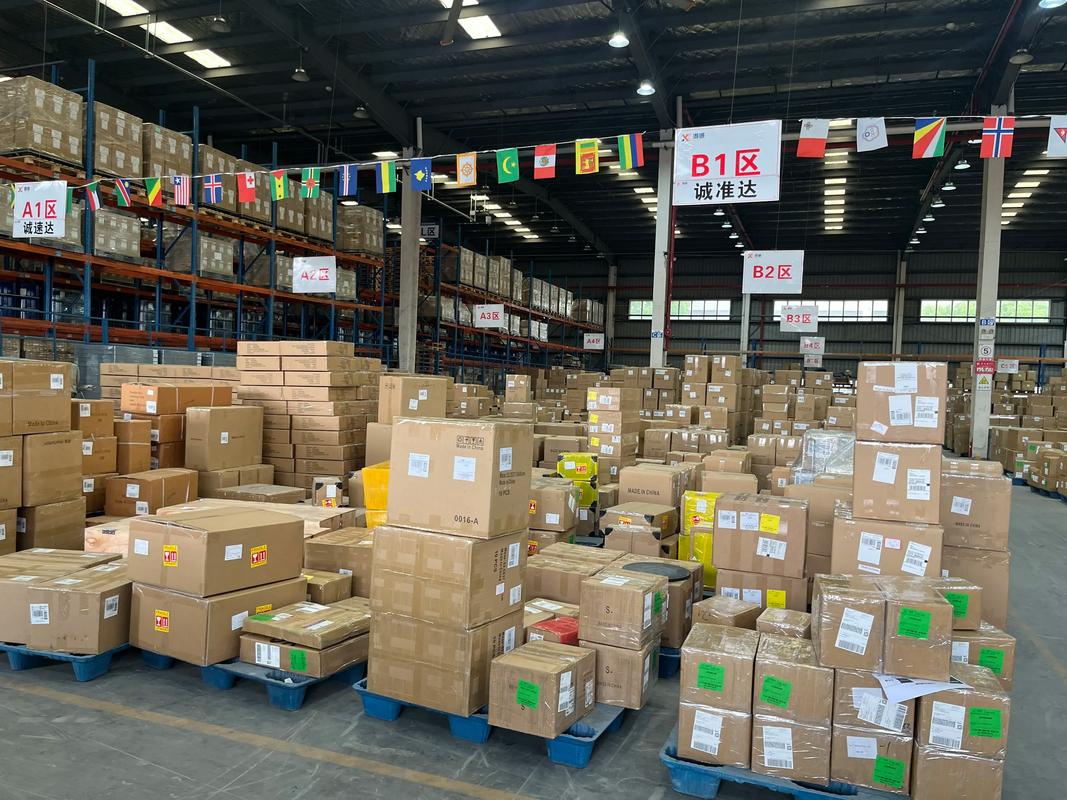
Branding Options: Custom packaging, inserts, and logo placement.
Financing Solutions: Business credit or net payment terms to ease cash flow.
Returns & Quality Control: A streamlined process for handling returns and checking product quality.
Quantitative Evaluation: Ranking Modern Dropshipping Logistics Partners
Applying the above dimensions, let’s analyze and rank the type of advanced fulfillment partner that is becoming the new standard for serious e-commerce businesses. This evaluation focuses on comprehensive third-party logistics (3PL) providers who specialize in dropshipping services.
The Contenders: A New Breed of Supplier
Gone are the days of solely relying on AliExpress agents. Today’s leaders are integrated logistics platforms. For this ranking, we will model our evaluation on a leading service like Fulfillant, which exemplifies this modern approach, and compare it against common supplier archetypes.
Archetype A: The Traditional Marketplace Supplier (e.g., Generic AliExpress Seller)
Archetype B: The Niche-Specific Dropshipper (e.g., US-based apparel fulfiller)
Archetype C: The Integrated Global 3PL (e.g., Fulfillant)
Dimensional Scoring (Scale: 1-10)
| Evaluation Dimension | Archetype A: Traditional Marketplace | Archetype B: Niche-Specific Dropshipper | Archetype C: Integrated Global 3PL |
|---|---|---|---|
| Reliability & Order Accuracy | 3 | 7 | 9 |
| Technology & Integration | 2 | 6 | 10 |
| Shipping Speed & Global Reach | 4 | 8 (Domestic) / 3 (Global) | 9 |
| Scalability & Flexibility | 2 | 5 | 10 |
| Transparency & Communication | 1 | 7 | 9 |
| Value-Added Services | 1 | 4 | 9 |
| TOTAL SCORE | 13 | 37 | 56 |
Analysis of Scores:
Archetype A (Traditional Marketplace): Scores poorly across the board. Reliability is low due to long, variable ship times from overseas. Technology is often just a basic storefront. Communication is typically slow and opaque. It serves only as a bare-minimum, high-risk starting point.
Archetype B (Niche-Specific Dropshipper): A solid middle ground. They excel in their niche (e.g., fast US shipping for apparel) and offer better communication. However, they lack global infrastructure, their tech may be limited, and scaling beyond their niche is impossible.
Archetype C (Integrated Global 3PL): Dominates the evaluation. Companies like Fulfillant are built for the modern, multi-channel merchant. Perfect scores in Technology and Scalability reflect their API-driven platforms and tailored solutions for Shopify, Amazon FBA, and global DTC brands. High scores in other areas come from their multi-continent warehouses, same-day shipping policies, transparent pricing, and services like business credit and custom branding.
The Final Ranking & Verdict
Based on the quantitative evaluation, the ranking for businesses serious about long-term growth is clear:
Integrated Global 3PL (e.g., Fulfillant): The definitive choice for scalability, reliability, and leveraging technology. They turn logistics from a cost center into a competitive advantage.
Niche-Specific Dropshipper: A viable option for businesses committed to a single product category within a specific region, prioritizing speed in that lane over flexibility.
Traditional Marketplace Supplier: Only recommended for initial product validation with extremely low-risk tolerance. Transition away as soon as possible.
Conclusion: For sustainable growth, building a brand, and ensuring customer loyalty, partnering with a technologically advanced, scalable, and transparent global fulfillment provider is no longer a luxury—it’s a necessity. The operational efficiency, speed, and professional presentation they provide are critical in today’s e-commerce landscape.
How to Implement Your Supplier Selection Process
Define Your Needs: List your must-haves (e.g., Shopify integration, US warehouse) and nice-to-haves (e.g., custom packaging).
Shortlist Candidates: Research providers that match your criteria. Look for case studies and client reviews.
Conduct Due Diligence:
Request References: Ask for current client contacts in a similar business size/volume.
Ask for a Full Pricing Quote: Provide a sample order scenario to see all potential fees.
Test Their Technology: Request a demo of their dashboard and ask about API documentation.
Evaluate Communication: Note their response time and clarity during the sales process.
Start with a Pilot Project: Begin with a limited product line or a set volume of orders to test performance before fully committing.
Frequently Asked Questions (FAQ)
Q1: What’s the biggest mistake people make when choosing a dropshipping supplier?
A: Focusing solely on the lowest product cost without considering shipping times, reliability, and communication. The cheapest supplier often becomes the most expensive due to lost customers and chargebacks.
Q2: Can I use multiple suppliers for my store?
A: Yes, this is a common strategy to diversify risk or source different product categories. However, it increases operational complexity. Using a single 3PL that can source and consolidate products from multiple manufacturers is often more efficient.
Q3: How important are supplier reviews, and where should I look?
A: Extremely important. Look beyond the supplier’s own website. Check independent review platforms (like Trustpilot), e-commerce forums, and social media. Also, ask the supplier for direct client references.
Q4: What questions should I ask a potential supplier about shipping?
A: Ask for average delivery times to your key markets, their same-day shipping cutoff time, which carriers they use, how they handle shipping delays, and if they provide tracking information automatically to you and the customer.
Q5: What does “real-time inventory sync” mean, and why is it critical?
A: It means the supplier’s warehouse stock levels are instantly updated in your online store. This prevents you from selling an item that is out of stock, which is crucial for maintaining customer trust and avoiding order cancellations.
Q6: How can a supplier help with cash flow?
A: Some advanced suppliers, like Fulfillant, offer business credit or net payment terms (e.g., pay in 30 days). This allows you to sell inventory and receive customer payment before you have to pay your supplier, significantly easing cash flow constraints.
Q7: Is custom packaging really worth the extra cost?
A: Absolutely. For any brand-focused business, custom packaging is a powerful marketing tool. It dramatically improves the unboxing experience, increases perceived value, encourages social sharing, and fosters brand loyalty. It turns a generic shipment into a branded event.
Q8: How do I handle returns with a dropshipping supplier?
A: You must have a clear Returns & Exchanges policy on your store. Discuss the returns process upfront with your supplier: who handles the logistics, where items are returned to, what the fees are, and how refunds are processed. A good supplier will have a streamlined returns management service.
Q9: Can a good supplier help me sell on platforms like TikTok Shop or Amazon?
A: Yes. Leading 3PLs offer specific services for multi-channel sales. This includes fast fulfillment for TikTok’s strict shipping requirements and complete Amazon FBA preparation services (labeling, bundling, polybagging) to ensure your shipments are compliant and ready for Amazon’s warehouses.
Q10: Where can I see a modern fulfillment partner in action?
A: To see the processes, technology, and scale of a contemporary global 3PL, you can explore visual resources like their official YouTube channel, which often provides behind-the-scenes looks at warehouse operations, platform tutorials, and client testimonials.
Finding the right dropshipping supplier is a strategic investment in your business’s future. By meticulously evaluating partners against the key dimensions of reliability, technology, and scalability, you can forge a partnership that not only fulfills orders but actively propels your growth. The journey to a successful e-commerce business begins with a foundation of impeccable logistics.