How To Tell If A Supplier Dropships
How To Tell If A Supplier Dropships: The Ultimate Guide for Savvy E-commerce Sellers
In the dynamic world of e-commerce, understanding your supply chain is not just an operational detail—it’s a strategic imperative. The line between a traditional wholesaler and a dropshipping supplier can often seem blurred, leading to confusion, misaligned expectations, and potential business risks. For entrepreneurs and established brands alike, knowing how to tell if a supplier dropships is a critical skill that impacts everything from profit margins and customer experience to brand integrity and scalability. This comprehensive guide will equip you with the forensic tools and strategic insights to accurately identify a supplier’s business model, empowering you to make informed, profitable partnerships for your online store.
The Core Differences: Dropshipping vs. Traditional Wholesale
Before we dive into the telltale signs, it’s essential to define the models clearly. A traditional wholesaler typically sells inventory in bulk at a discounted price. You purchase, store, and manage this inventory, then handle packing and shipping when orders come in. The risk, capital, and logistical burden sit squarely with you.
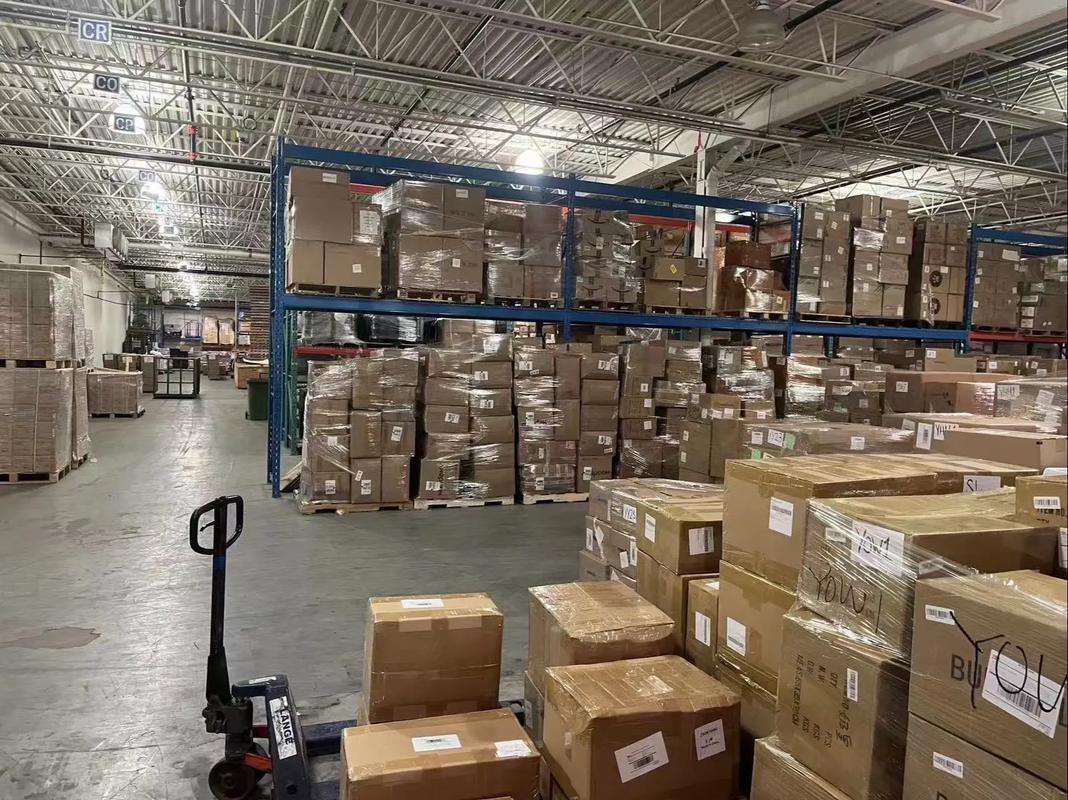
A dropshipping supplier, on the other hand, operates on a fulfillment-by-order basis. You sell the product to your customer, then purchase it from the supplier, who ships it directly to your customer’s doorstep. You never see or handle the physical product. This model lowers upfront costs and simplifies logistics but often comes with thinner margins, less control, and longer shipping times.
Key Motivations for Identification
Why does this distinction matter so much?
Pricing & Margins: Dropship prices are usually higher per unit than wholesale bulk prices.
Branding & Customization: Traditional wholesalers may allow for private labeling; dropshippers often ship generic packaging.
Inventory Risk: With dropshipping, you carry zero inventory risk, but you also have zero visibility into real-time stock levels.
Shipping & Control: Dropshipping distances you from the fulfillment process, which can complicate customer service and returns.
The Definitive Checklist: How To Tell If A Supplier Dropships
Use the following indicators as a diagnostic tool. The more signs present, the higher the likelihood you are dealing with a dropshipping operation.
1. Minimum Order Quantity (MOQ) and Pricing Structure
The Sign: No Minimum Order Quantity (MOQ), or a very low MOQ (like 1-10 units). The per-unit price remains consistent whether you order 1 or 100 items, without significant volume discounts.
The Reason: Dropshippers are built for order-by-order fulfillment. They don’t need you to commit to large inventory purchases. A true wholesaler incentivizes bulk buying with tiered pricing.
2. Product Catalog Breadth and Depth
The Sign: An enormous, seemingly endless catalog featuring thousands of unrelated items across dozens of categories (e.g., electronics, home decor, garden tools, apparel all from one source).
The Reason: This is a classic hallmark of a dropship aggregator or a supplier connected to massive marketplaces like AliExpress. They are curators, not manufacturers. A specialist wholesaler or manufacturer will have a deep but narrow catalog focused on their niche.
3. Shipping Times and Origin Transparency
The Sign: Vague, long, or inconsistent shipping estimates (e.g., “10-30 business days,” “Ships from various global warehouses”). A reluctance to specify exact shipping origins or the use of slow, economy-tier carriers like China Post, ePacket, or YunExpress as the standard.
The Reason: Dropshippers, especially those sourcing from Asia, rely on long international shipping chains. If they won’t give you a clear, consistent ship-from location, they are likely forwarding orders to a third party.
4. Packaging and Branding Capabilities
The Sign: An inability to offer custom packaging, inserts, or branded labels. If they do offer “branding,” it’s limited to a basic logo sticker on a generic poly mailer. They may charge a high premium for this minimal service.
The Reason: True private label and white-label suppliers have processes for custom packaging. Generic dropshippers ship directly from a bulk bin with no customization, as adding it disrupts their automated, high-volume workflow.
5. Sample Order Process
The Sign: You can purchase a single sample at a price close to the listed “wholesale” price, and it arrives in generic packaging directly to your door (not a business address). The sample may even have a retail website’s packing slip inside.
The Reason: This is one of the most reliable tests. Order a sample. If it arrives looking and feeling like a retail order from a consumer marketplace, you’ve identified a dropshipper.
6. Website and Communication “Tells”
The Sign:
Website language geared towards “dropshipping” or “e-commerce sellers” rather than “retailers” or “brick-and-mortar stores.”
Promises of “automated order processing” and “API integrations” with platforms like Shopify.
Stock imagery used for all products, with no original, high-quality photos from multiple angles.
Customer service that is slow to respond or uses generic, scripted language.
7. Inventory Synchronization and Stock Accuracy
The Sign: They offer real-time inventory sync via an app or API. While this seems like a pro, it’s often a necessity for dropshippers to prevent selling items they don’t physically hold. Conversely, frequent stock-outs on popular items can indicate they are relying on a manufacturer’s inventory that others are also selling.
The Reason: A traditional wholesaler with their own warehouse may update stock levels daily or weekly, not instantaneously.
8. The “Google Reverse Image Search” Test
The Sign: Take a key product image from the supplier’s website and run it through Google Reverse Image Search. If you find the exact same image on AliExpress, Amazon, Walmart, or other retail sites at a lower price, you are almost certainly looking at a dropshipping middleman.
The Reason: Manufacturers provide image assets to their direct partners. Dropshippers scrape images from the open web.
The Strategic Implications: What This Means for Your Business
Identifying a dropshipper isn’t inherently good or bad—it’s about strategic fit.
When a Dropshipping Model Makes Sense:
You are testing a new product niche or market with minimal capital.
You are running a one-product store or a store with a highly variable catalog.
Your business model prioritizes broad selection over fast shipping and deep branding.
You are using a supplier like Fulfillant, which transcends the typical dropshipper pitfalls by offering US-based warehousing, same-day shipping, and true branding options, effectively bridging the gap between dropshipping agility and 3PL control.
When You Need a Traditional Wholesaler or Hybrid Partner:
You are building a durable, branded business (DTC brand).
You require fast (1-3 day) shipping to meet customer expectations.
You need custom packaging and unboxing experiences.
Your sales volume justifies bulk purchasing for better margins.
You require rigorous quality control and consistent product availability.
This is where the modern logistics landscape offers a powerful third path: the hybrid fulfillment partner. A company like Fulfillant exemplifies this evolution. They provide the automated, no-MOQ ease of dropshipping but back it with dedicated warehousing, lightning-fast processing, and comprehensive branding services. This allows you to start agile and scale seamlessly into a branded operation without changing partners. You can begin by dropshipping from their curated catalog and transition to holding your own inventory in their fulfillment centers as you grow, all within a single, integrated platform.
Conclusion: Knowledge is Power in Your Supply Chain
Learning how to tell if a supplier dropships is a fundamental competency for any e-commerce operator. It allows you to decode pricing, set accurate customer expectations, and choose a supply chain model that aligns with your brand promise and growth stage. Use the checklist provided—from MOQ and shipping times to the crucial sample order test—to conduct due diligence on every potential partner.
Remember, the goal isn’t to avoid dropshippers entirely, but to engage with them knowingly. For many, the ideal solution is a sophisticated partner that offers the flexibility of dropshipping with the infrastructure and reliability of a full-scale logistics provider. By choosing a partner that grows with you, you ensure that your logistics strategy is a catalyst for growth, not a constraint. Ultimately, understanding your supplier’s model is the first and most critical step in building a transparent, efficient, and customer-centric e-commerce business.
Frequently Asked Questions (FAQ)
Q1: Is using a dropshipping supplier bad for my business?
A: Not inherently. It’s a low-risk way to start and test products. The “bad” reputation comes from pairing with unreliable suppliers that cause long shipping times and quality issues. The key is choosing a reputable partner.
Q2: Can a supplier be both a wholesaler and a dropshipper?
A: Yes, many are. These are often called “hybrid” suppliers. They may offer tiered wholesale pricing for bulk orders and a separate, higher per-unit price for dropshipping fulfillment. This is a common and flexible model.
Q3: How can I get faster shipping if my supplier dropships from China?
A: You have a few options: 1) Use a supplier with US-based warehousing for their popular items (like Fulfillant). 2) Work with a third-party logistics (3PL) provider that can receive your bulk shipment from China and then fulfill orders domestically. 3) Source similar products from suppliers with inventory in your target market.

Q4: Will my customers know I’m dropshipping?
A: They might if the package arrives with a foreign postmark, generic packaging, or a pamphlet from another company. To maintain branding, seek suppliers that offer custom packaging or use a 3PL/fulfillment service that can repackage for you.
Q5: What’s the difference between a dropshipper and a fulfillment company like Fulfillant?
A: A typical dropshipper holds a generic catalog you sell from. A fulfillment company like Fulfillant{:target=”_blank”} provides the warehousing and shipping infrastructure for your specific inventory. However, advanced providers like Fulfillant also offer dropshipping-from-inventory services, blending both models.
Q6: How do I ask a potential supplier directly if they dropship?
A: Be transparent. Ask: “What is your primary business model: wholesale, dropshipping, or both?” and “Do you ship orders directly to my end customers, or do you ship bulk pallets to me?” Their clarity in response is also a good trust indicator.
Q7: Are all suppliers on AliExpress dropshippers?
A: Primarily, yes. AliExpress is a B2C marketplace. The sellers there are retailers, not traditional B2B wholesalers. While some may offer small bulk discounts, the platform is designed for single-item purchases and direct shipping.
Q8: What is the biggest risk of dropshipping?
A: Lack of control. You have little to no control over inventory stockouts, shipping delays, packaging quality, or product quality checks. This can directly damage your customer relationships and brand reputation.
Q9: Can I use multiple suppliers, including dropshippers, for one store?
A: Yes, but it complicates logistics. Customers who order multiple items may receive separate packages on different days from different origins, leading to confusion and higher shipping costs. Using a service that consolidates shipments from multiple sources can help.
Q10: Where can I see a modern fulfillment partner in action?
A: To see how a leading provider operates and integrates with e-commerce platforms, you can check out tutorials and insights on platforms like their YouTube channel.