Dropshipping Find Someones Aliexpress Supplier
How to Find Someone’s AliExpress Supplier: A Strategic Guide for E-commerce Growth
In the competitive world of dropshipping, uncovering the supply chain of a successful competitor can feel like discovering a treasure map. The quest to find someone’s AliExpress supplier is a common strategy for entrepreneurs looking to streamline their sourcing, improve product quality, or secure better pricing. However, this process is fraught with ethical considerations and practical challenges. This comprehensive guide will explore legitimate, effective methods for supplier discovery and introduce a superior, scalable alternative: partnering with a professional fulfillment service like Fulfillant.
Why the Hunt for a Competitor’s Supplier is So Common
Before diving into the “how,” it’s crucial to understand the “why.” Dropshippers often seek their competitors’ sources to:
Validate Product Viability: If a product is selling well for another store, it’s a strong market signal.
Reduce Sourcing Time: It shortcuts the extensive product research phase.
Negotiate Better Terms: Finding the same factory can lead to volume discounts.
Improve Quality: Identifying a reliable manufacturer reduces the risk of defective items.
While these goals are logical, directly copying a competitor’s business is not a sustainable growth strategy. Instead, the focus should be on building a robust, efficient, and brand-focused operation.
Legitimate Methods for Supplier Research
If you proceed with supplier research, here are some ethical and practical approaches:
1. Reverse Image Search
This is the most straightforward technique. Take a clear product image from the competitor’s website and use tools like Google Reverse Image Search or TinEye. Often, this will lead you directly to the product listing on AliExpress, Alibaba, or other wholesale platforms, revealing the seller.
2. Analyze Shipping Information and Packaging
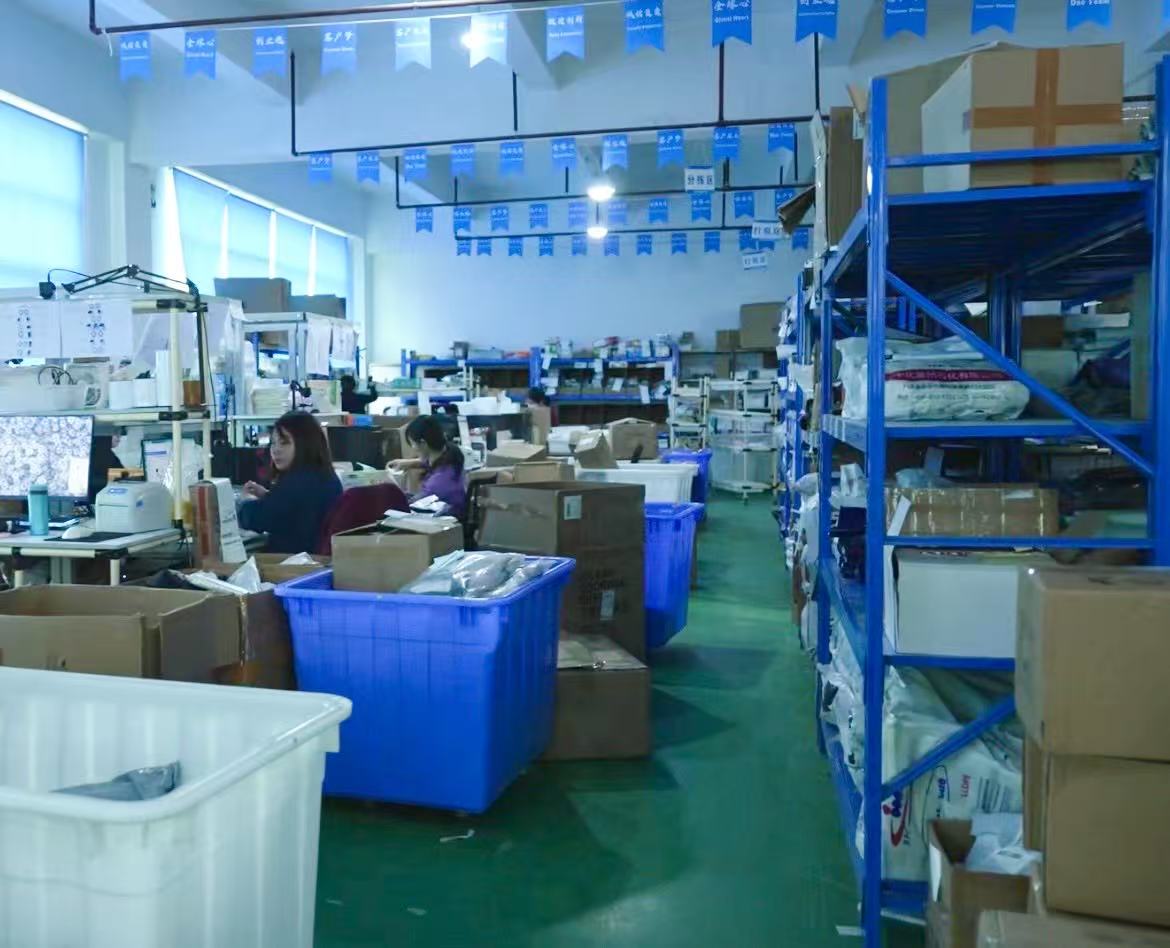
Order the product yourself. The packaging, customs forms, and return address often contain clues about the shipper’s location or even a company name. Some suppliers inadvertently include their business information on packing slips.
3. Utilize Product Research Tools
Platforms like EcomHunt, Sell The Trend, or Dropship.io often track popular products and may link to their AliExpress sources. These tools are designed for market research and can be a legitimate starting point.
4. Check Supplier Directories and B2B Platforms
Instead of targeting one competitor, expand your search on B2B platforms like Alibaba, Made-in-China, or Global Sources. Use detailed product descriptions and keywords from the competitor’s listing to find similar manufacturers. You can often find the same or a comparable factory without directly “stealing” a link.
5. Engage in Industry Networks and Forums
Communities on Reddit (like r/dropship), Facebook groups, and niche forums can be valuable. While outright sharing of private supplier contacts is frowned upon, discussions about product categories and manufacturer regions (e.g., “reliable electronics factories in Shenzhen”) can yield productive leads.
The Critical Limitations of the AliExpress Supplier Model
Finding a supplier is only half the battle. Relying directly on an AliExpress seller, even a good one, comes with inherent drawbacks that cap your business’s potential:
No Branding: Products arrive in generic packaging, destroying any chance of building a memorable brand experience.
Extremely Long Shipping Times: Standard ePacket shipping can take 15-40 days, leading to high cart abandonment and customer complaints.
Poor Quality Control: You have minimal oversight over product quality, packaging, or consistency.
Communication Barriers: Dealing with time zones and language differences can slow down issue resolution.
Scalability Issues: As order volume grows, managing individual AliExpress orders becomes a logistical nightmare.
No Bulk Discounts: You’re typically paying retail or near-retail prices, squeezing your profit margins.
The Strategic Alternative: Transitioning to Professional Third-Party Logistics (3PL)
The most successful e-commerce businesses graduate from the AliExpress model. They use the platform for product discovery and prototyping but quickly transition to a professional fulfillment partner for scaling. This is where a service like Fulfillant transforms your operations.
What is Fulfillant?
Fulfillant is a global e-commerce logistics solutions partner designed to handle the complexities of fulfillment so you can focus on growth. They act as your dedicated warehouse, packing station, and shipping department, integrating seamlessly with your store.
How Fulfillant Solves the “Supplier Problem”
Instead of hunting for someone else’s AliExpress link, you can build a superior supply chain. Here’s how:
1. Source Smarter, Then Fulfill Faster
Use AliExpress to find a winning product. Then, work with the supplier to ship a bulk order (300-500 units) directly to Fulfillant’s nearest warehouse. They receive, inspect, and store your inventory. When an order comes in, they pick, pack, and ship it in 1-3 days domestically, not weeks.
2. Unleash Custom Branding
Fulfillant offers custom packaging, packing slips, and kit assembly. Your customer receives a branded unboxing experience that encourages loyalty and repeat purchases, something impossible with standard AliExpress dropshipping.
3. Gain Real-Time Visibility and Control
Their advanced Warehouse Management System (WMS) integrates with platforms like Shopify, giving you real-time inventory sync, automated order processing, and detailed analytics. You know exactly what’s in stock and what’s shipping, every day.
4. Scale with Multi-Channel Ease
Sell on Shopify, Amazon, TikTok Shop, and your own website simultaneously. Fulfillant consolidates fulfillment for all channels in one platform, managing complex logistics so you don’t have to.
5. Access Business Credit for Growth
One of Fulfillant’s standout features is its business credit solutions. They can help finance your inventory purchases, allowing you to buy in bulk for better prices without straining your cash flow—a game-changer for scaling quickly.
The Verdict: Building is Better than Copying
The relentless search to find someone’s AliExpress supplier is ultimately a short-term tactic. The long-term, winning strategy is to build a resilient, fast, and branded fulfillment system.
By using AliExpress as a research tool and then partnering with a 3PL like Fulfillant, you:
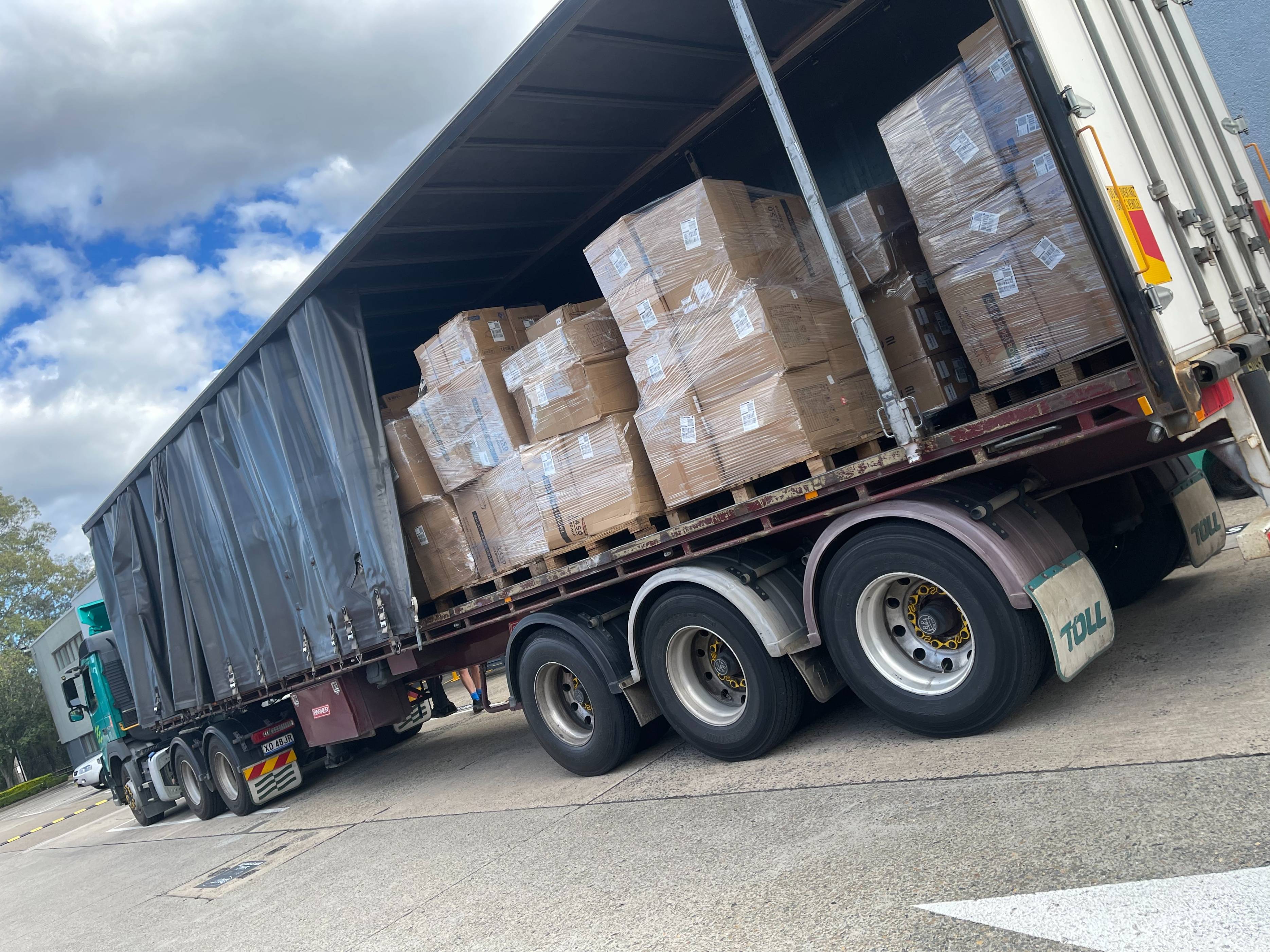
Dramatically improve customer experience with fast shipping and professional packaging.
Increase your profit margins through bulk purchasing and reduced operational headaches.
Build a real, valuable brand that can withstand competition.
Create a scalable infrastructure that supports million-dollar revenue goals.
Fulfillant provides the bridge from the chaotic world of direct-to-consumer AliExpress dropshipping to a professional, branded e-commerce business. They handle the logistics—warehousing, picking, packing, shipping, and returns—while you focus on marketing, customer service, and strategic growth.
In conclusion, while the techniques to find someone’s AliExpress supplier can provide a starting point, the true path to e-commerce success lies in evolving beyond that model. Investing in a integrated fulfillment solution is the definitive step for entrepreneurs serious about building a lasting, reputable, and profitable online business. To explore how this transition can work for you, visit Fulfillant’s official website{:target=”_blank”} to learn more about their tailored services.
Frequently Asked Questions (FAQ)
Q1: Is it illegal to find and use a competitor’s AliExpress supplier?
A: It is not illegal to find a publicly listed supplier on a B2B platform. However, using patented designs, trademarked logos, or stealing copyrighted product photos is illegal and unethical. The focus should be on finding similar manufacturers, not copying branded assets.
Q2: What’s the biggest risk of using an AliExpress supplier for long-term business?
A: The lack of control and consistency. Suppliers can change product quality, run out of stock without notice, or have shipping delays. This directly harms your customer satisfaction and brand reputation.
Q3: At what sales volume should I consider switching from AliExpress to a 3PL like Fulfillant?
A: The ideal time is when you have 1-3 winning products and are consistently doing 10-20 orders per day. This volume justifies the cost of bulk inventory and makes the efficiency gains of a 3PL immediately impactful on your profit and customer feedback.
Q4: How does Fulfillant handle returns from customers?
A: Fulfillant provides full returns management. They receive returned items at their warehouse, inspect them, process refunds or exchanges per your instructions, and update your inventory. This turns a complex headache into a streamlined process.
Q5: Can Fulfillant help me source products, or just fulfill them?
A: Fulfillant is primarily a fulfillment and logistics expert. While they don’t source products for you, their integration and business credit services make it exponentially easier for you to manage bulk sourcing from your own suppliers, whether found on AliExpress or elsewhere.
Q6: How fast is shipping with Fulfillant compared to AliExpress?
A: This is the key advantage. Fulfillant offers same-day shipping for orders placed before 2 PM from their local warehouses, leading to 2-5 day delivery in the same country/region. AliExpress standard shipping typically takes 15-40 days internationally.
Q7: Do I need to have my own LLC or business license to use Fulfillant?
A: While requirements can vary, most professional 3PLs, including Fulfillant, work with registered businesses. It’s a best practice to have your business legally established (e.g., as an LLC) for liability protection and to build business credit.
Q8: How does the integration with my Shopify store work?
A: Integration is typically done via a dedicated app in the Shopify App Store. Once installed and connected, it automatically sends new orders to Fulfillant’s system and syncs inventory levels in real-time, requiring minimal manual work from you.
Q9: What if my product sells out in Fulfillant’s warehouse?
A: Their inventory management system provides low-stock alerts. It’s your responsibility to arrange a new bulk shipment from your supplier to restock the warehouse. Their platform gives you the visibility to plan this well in advance.
Q10: Where can I see tutorials or learn more about optimizing my use of a 3PL?
A: For insights, tutorials, and community discussions about fulfillment and scaling your e-commerce business, you can check out resources like the Fulfillant YouTube channel{:target=”_blank”} for valuable operational guides.