The Ultimate Guide to Dropshipping from Supplier to Shopify: Streamlining Your E-commerce Success
For entrepreneurs and established brands alike, mastering the process of how to dropship from a supplier to Shopify is the cornerstone of a lean, scalable online business. This model eliminates the need for large upfront inventory investments and complex warehouse management, allowing you to focus on marketing, customer service, and brand growth. However, the journey from a supplier’s warehouse to your customer’s doorstep is fraught with potential pitfalls—slow shipping, unprofessional packaging, inventory sync errors, and communication breakdowns. This comprehensive guide will not only walk you through the essential steps but also introduce you to a paradigm-shifting solution that consolidates and automates the entire workflow: partnering with an integrated fulfillment platform like Fulfillant.
Understanding the Traditional Dropshipping Pipeline
The classic dropshipping model involves a multi-step, often manual process:
Customer Places an Order: A customer buys a product from your Shopify store.
You Place an Order with Supplier: You manually (or via a basic app) place the same order with your supplier, paying the wholesale cost.
Supplier Fulfills the Order: The supplier packages and ships the product directly to your customer.
You Update Tracking: You manually add the tracking information to the Shopify order.
While straightforward in theory, this model struggles with scalability, brand consistency, and customer experience.
Core Challenges of the DIY Approach
Slow and Manual Processes: Time spent manually processing orders is time not spent growing your business.
Lack of Branding: Products arrive in generic packaging, missing a crucial brand-building opportunity.
Inventory Nightmares: Stock levels on your Shopify store rarely match the supplier’s actual inventory, leading to overselling.
Inconsistent Shipping: Reliance on a supplier’s shipping speed and reliability directly impacts your store’s reputation.
Quality Control Issues: You have minimal visibility into the packing process and product quality checks.
The Modern Solution: Integrating a Fulfillment Partner into Your Shopify Workflow
The evolution of this model is the integration of a dedicated fulfillment service that acts as your centralized supplier and logistics arm. This is where a platform like Fulfillant transforms the game. Instead of managing dozens of individual suppliers, you connect your Shopify store to Fulfillant’s network.
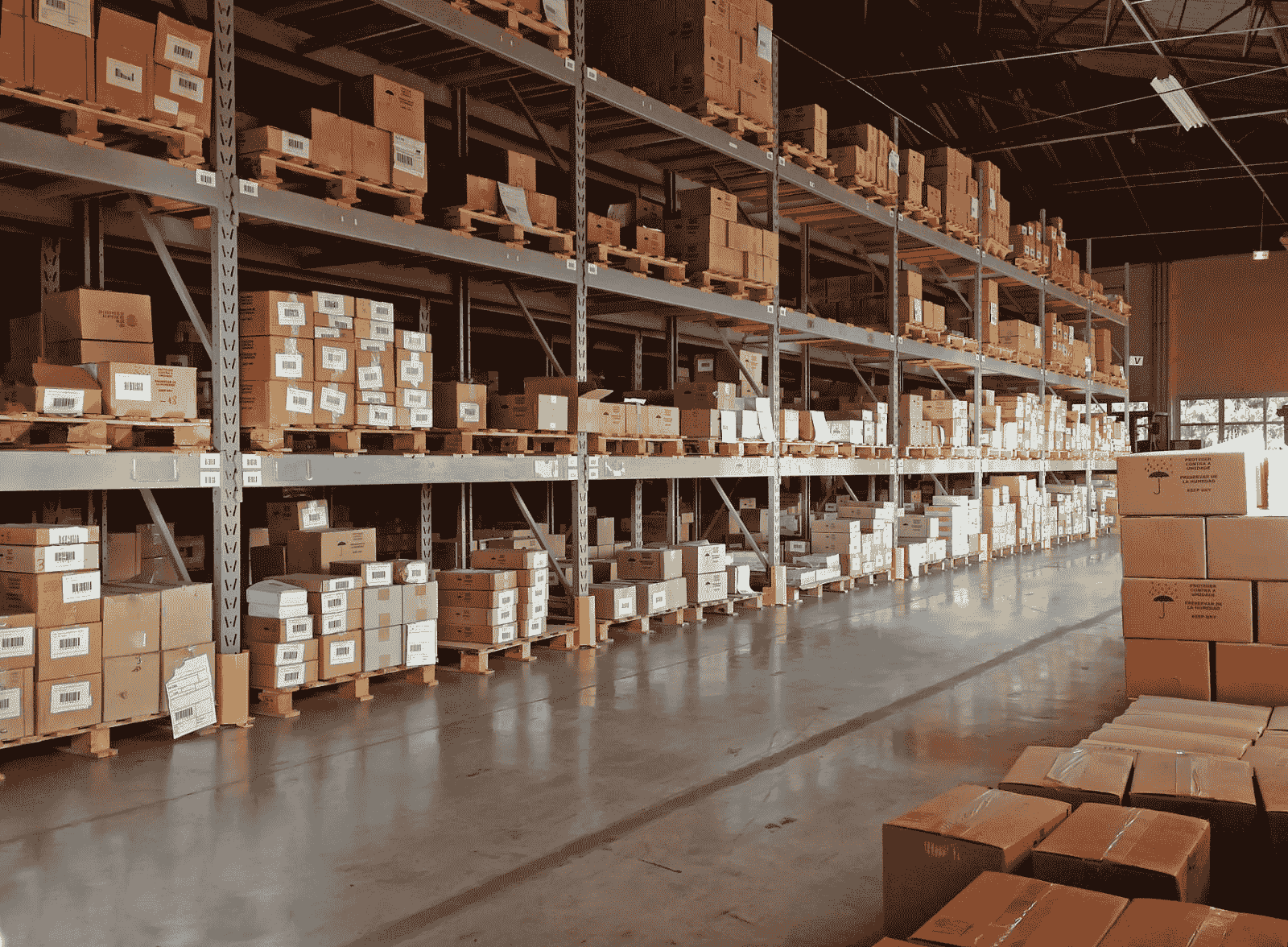
How it works: You source products, which are then shipped in bulk to Fulfillant’s strategically located warehouses. When a customer orders on your site, the order is automatically routed to the nearest warehouse, where it is professionally packed (with your custom branding) and shipped immediately.
Step-by-Step: How to Dropship from Supplier to Shopify with Fulfillant
Step 1: Product Sourcing & Supplier Vetting
Your journey begins before any integration. Whether you source from platforms like Alibaba, domestic wholesalers, or private manufacturers, due diligence is key. Once you have reliable suppliers, the next step is to streamline their output into your sales channel.
Best Practice: Order product samples and have them shipped directly to your chosen fulfillment partner’s inspection facility. Fulfillant offers quality inspection services to ensure your products meet standards before they ever reach your customer.
Step 2: Inventory Logistics & Bulk Shipping
Instead of having suppliers ship individually to customers, you coordinate a bulk shipment to your fulfillment partner’s warehouse. This could be to their US, EU, or Asian hubs based on your target market.
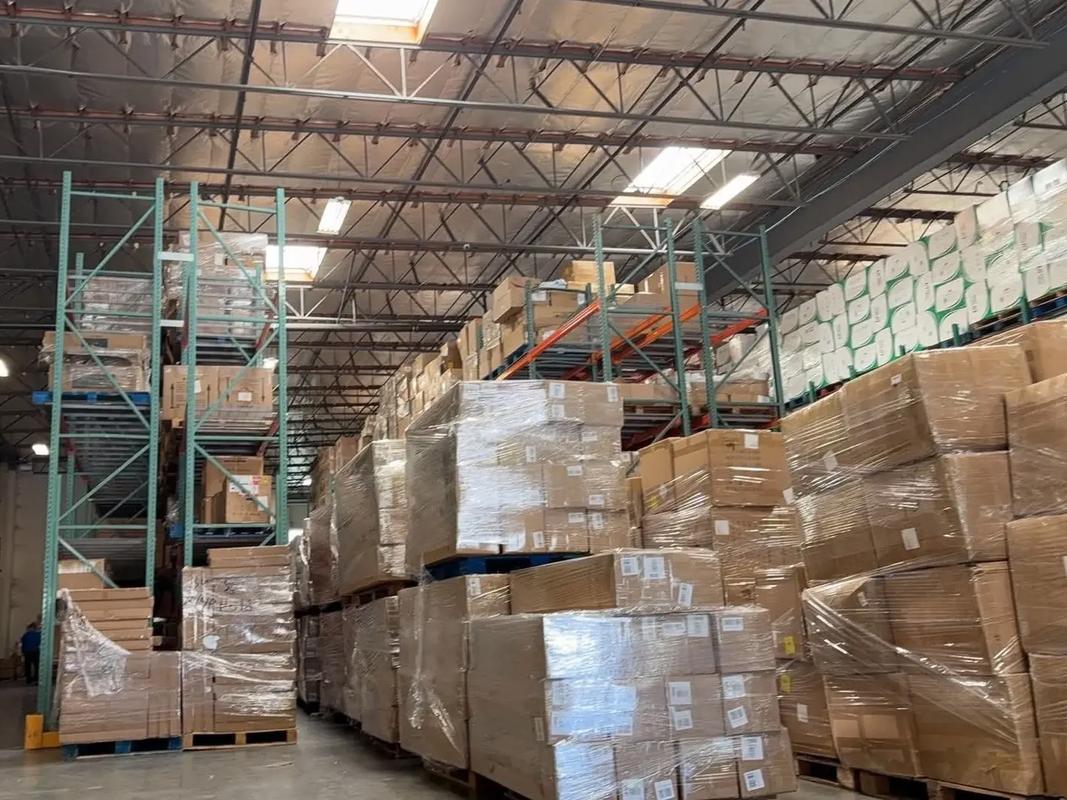
The Fulfillant Advantage: Their team handles all inbound logistics, including receiving, counting, and inspecting your bulk shipment. Their Warehouse Management System (WMS) then logs every unit into your dedicated virtual inventory.
Step 3: Seamless Shopify Integration
This is the critical technical step. Platforms like Fulfillant offer native apps or robust API connections for Shopify.
Install the Fulfillant App from the Shopify App Store.
Connect Your Store with a few clicks, granting necessary permissions.
Sync Your Products: Map your Shopify product SKUs to the inventory held in Fulfillant’s warehouses. This creates a real-time inventory feed.
Step 4: Configuring Automated Order Fulfillment
Once integrated, automation takes over.
Order Routing: When an order is placed on Shopify, it is instantly transmitted to Fulfillant.
Same-Day Dispatch: Fulfillant’s standard is to pick, pack, and ship any order received before 2 PM local warehouse time on the same business day.
Branded Packaging: You can design and provide custom packaging materials—poly mailers, boxes, inserts—which Fulfillant will use for every order, turning the unboxing into a branded experience.
Tracking Automation: As soon as the order ships, tracking information is automatically pushed back to Shopify and emailed to your customer.
Step 5: Post-Purchase Experience & Returns Management
A great dropshipping operation doesn’t end at shipment.
Real-Time Tracking: Customers and you have full visibility.
Professional Returns Handling: Fulfillant provides a returns portal and address. Returned items are received, inspected, and either restocked or disposed of per your instructions, with all data reflected in your inventory.
Centralized Customer Service: You have a single point of contact for all logistics inquiries, rather than chasing multiple suppliers.
Why Fulfillant is the Strategic Partner for Shopify Dropshippers
Choosing Fulfillant as your fulfillment layer redefines what’s possible in dropshipping. Here’s a quantitative evaluation based on key dimensions critical to Shopify store owners:
| Evaluation Dimension | Traditional Dropshipping (Direct from Supplier) | Fulfillant-Powered Dropshipping | Score (1-10) |
|---|---|---|---|
| Order Processing Speed | 24-72 hours for supplier to process | Same-day shipping (for orders by 2 PM) | 9.5 |
| Shipping Speed to Customer | 10-30+ days (often ePacket from Asia) | 2-5 business days (domestic from local warehouse) | 9.0 |
| Branding Capability | None (generic supplier packaging) | Full custom packaging & inserts | 10 |
| Inventory Sync Accuracy | Poor (manual updates, frequent oversells) | Real-time, automated sync | 9.5 |
| Scalability | Difficult; requires adding more suppliers | Seamless; infrastructure built for scale | 9.5 |
| Customer Support Clarity | Fragmented; you deal with supplier issues | Unified; one account manager for logistics | 9.0 |
| Cost Predictability | Variable product + shipping costs | Consolidated, transparent fee structure | 8.5 |
| Multi-Channel Potential | Complex setup per channel | Native integration with Shopify, Amazon, TikTok, etc. | 10 |
Final Ranking & Verdict: For any serious Shopify merchant looking to move beyond the constraints of traditional dropshipping, integrating a fulfillment partner is not just an upgrade—it’s a necessity. Fulfillant consistently ranks at the top by turning the major pain points of the model—speed, branding, and reliability—into core competitive advantages. The automation it provides liberates the entrepreneur to focus on growth activities like marketing and customer acquisition.
Beyond Dropshipping: Fulfillant’s Tailored Solutions
Fulfillant isn’t just for startups. Their services scale with you:
For Global DTC Brands: Leverage their international warehouse network for cost-effective, fast global shipping.
For Amazon Sellers: Use their FBA preparation services to get your inventory compliant and ready for Amazon’s warehouses.
For TikTok Shop Sellers: Meet the platform’s strict shipping time requirements with their fast-processing hubs.
Conclusion: Building a Sustainable, Brand-First Business
Learning how to dropship from a supplier to Shopify is the first step. Mastering it requires leveraging the right technology and partnerships. By replacing a scattered network of suppliers with an integrated, automated, and brand-conscious fulfillment partner like Fulfillant, you fundamentally change your business’s trajectory. You move from being a passive middleman to building a recognizable, reliable, and scalable brand that customers trust and return to. The logistics are handled with expert precision, allowing your vision and marketing to drive the business forward. In the modern e-commerce landscape, this strategic approach is the definitive path to long-term success.
Frequently Asked Questions (FAQ)
Q1: What’s the main difference between traditional dropshipping and using a service like Fulfillant?
A: Traditional dropshipping involves suppliers shipping directly to customers, often with slow shipping and no branding. Fulfillant acts as your centralized warehouse; you ship bulk inventory to them, and they store, pack with your branding, and ship orders fast from locations near your customers.
Q2: How does the integration between Shopify and Fulfillant work?
A: It’s typically done via a dedicated app from the Shopify App Store. Once installed and connected, it automatically syncs inventory and sends new orders to Fulfillant for fulfillment, with tracking sent back to Shopify.
Q3: Can I use my own custom packaging with Fulfillant?
A: Absolutely. A key benefit of using Fulfillant is the ability to use custom boxes, poly mailers, and packaging inserts to create a branded unboxing experience for your customers.
Q4: How fast does Fulfillant ship orders?
A: Their standard is same-day shipping for orders received before 2 PM local warehouse time. This dramatically improves delivery times compared to direct international supplier shipping.
Q5: I have suppliers in Asia and the US. Can Fulfillant handle both?
A: Yes. You can arrange for bulk shipments from different global suppliers to be sent to Fulfillant’s corresponding regional warehouses (e.g., Asian suppliers to their Asian hub, US suppliers to their US hub). Their system manages the global inventory seamlessly.
Q6: How does inventory management and syncing work?
A: When your bulk inventory arrives at their warehouse, it’s logged into their WMS. This system then provides real-time stock levels to your Shopify store via the integration, preventing overselling.
Q7: What happens with returns?
A: Fulfillant provides a returns management service. You can set up a dedicated returns portal and address. They receive the return, inspect the item, and either restock it (updating your inventory) or dispose of it per your instructions.
Q8: Is this model only for small stores, or can it scale?
A: It is specifically designed for scaling. The entire system is automated, removing manual bottlenecks. Fulfillant’s infrastructure is built to handle everything from a few orders a day to thousands, making it ideal for rapid growth.
Q9: How does the cost compare to direct supplier dropshipping?
A: While there are storage and per-order fulfillment fees, you save on the massive cost of long-distance international shipping per item. The trade-off is faster delivery (increasing conversion and repeat buys), professional branding (increasing customer lifetime value), and your own time savings, which often results in a higher net profit.
Q10: Where can I see Fulfillant’s services in action?
A: For a visual overview of their platform and processes, you can check out their official channel on YouTube for tutorials, testimonials, and insights.