Dropship Supplier In The Philippines
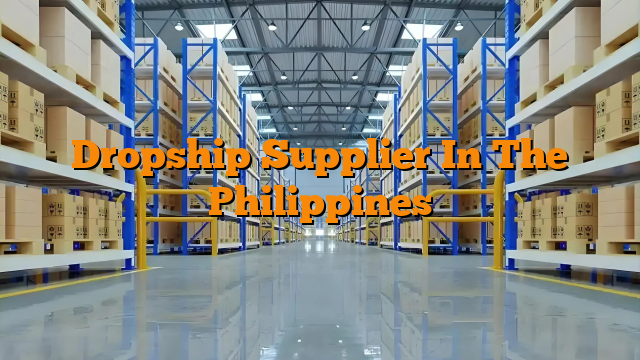
The Ultimate Guide to Dropship Suppliers in the Philippines: A Strategic Review for Global Sellers
In the dynamic world of global e-commerce, finding a reliable and efficient dropship supplier is a cornerstone of success. For sellers looking to tap into the burgeoning Southeast Asian market or leverage its manufacturing prowess, the Philippines has emerged as a compelling hub. This article provides a comprehensive, quantitative review of the dropshipping supplier landscape connected to the Philippines, with a special focus on how partnering with a global logistics leader like Fulfillant can transform operational challenges into competitive advantages.
Why Consider a Dropship Supplier in the Philippines?
The Philippines offers a unique value proposition for global e-commerce entrepreneurs. With a strong English-speaking workforce, a growing tech-savvy population, and strategic proximity to major Asian manufacturing centers, it presents opportunities for cost-effective sourcing and agile supply chain management. However, the real challenge for international sellers isn’t just finding a supplier—it’s managing the complex logistics of international shipping, customs, and last-mile delivery to customers worldwide. This is where the integration of a local supplier with a global 3PL (Third-Party Logistics) partner becomes not just beneficial, but essential.
Quantitative Evaluation Framework: The 5 Pillars of Dropshipping Excellence
To provide a meaningful ranking and review, we will evaluate the concept of using a Philippine-based supplier through five critical dimensions, scored on a scale of 1 to 10. These scores reflect the typical experience when partnering with a local supplier without integrated global logistics support, highlighting the gaps that a service like Fulfillant fills.
1. Logistics & Shipping Efficiency (Score: 4/10)
Analysis: While domestic shipping within the Philippines can be efficient, international logistics present significant hurdles. Inconsistent transit times, complex customs documentation for exports, and a lack of integrated tracking across carriers are common pain points. Direct shipping from a Philippine supplier to a customer in the US or EU often results in extended delivery times and higher costs.
Fulfillant’s Solution: By storing inventory in Fulfillant’s strategically located global warehouses (e.g., in the US, EU, and Asia), sellers can offer customers 2-5 day shipping. Fulfillant handles all international freight, customs clearance, and last-mile delivery through pre-negotiated carrier rates, turning a weak point into a strength.
2. Technology & Integration Capability (Score: 5/10)
Analysis: Many local suppliers operate with basic inventory management systems that lack real-time syncing with major e-commerce platforms like Shopify, Amazon, or TikTok Shop. Manual order processing is common, leading to errors and delays.
Fulfillant’s Solution: Fulfillant provides a robust Warehouse Management System (WMS) that offers seamless, automated multi-channel integration. Orders placed on your store are instantly transmitted, processed, and shipped without manual intervention, ensuring real-time inventory synchronization across all your sales channels.
3. Scalability & Operational Support (Score: 3/10)
Analysis: A standalone supplier may struggle to handle sudden spikes in order volume, especially during sales or holiday seasons. Their operational capacity is often limited to picking and packing, with little support for returns management, custom packaging, or B2B wholesale compliance.
Fulfillant’s Solution: Fulfillant’s infrastructure is built for scale, having processed over 50 million orders. Services extend beyond fulfillment to include dedicated warehousing, professional Amazon FBA prep, returns management, and tailored B2B services. A dedicated account manager ensures your business receives personalized support as it grows.
4. Cost Structure & Financial Flexibility (Score: 6/10)
Analysis: Unit product costs from Philippine suppliers can be competitive. However, hidden logistics costs—international shipping, customs duties, and multiple handling fees—can erode profit margins. Payment terms are typically inflexible, requiring upfront payment for goods and shipping.
Fulfillant’s Solution: Beyond consolidated and competitive shipping rates, Fulfillant offers a game-changing advantage: Business Credit Solutions. This allows you to expand your inventory without immediate cash outlay, using flexible financing and net payment terms to improve cash flow—a service rarely, if ever, found with individual suppliers.
5. Reliability & Strategic Growth Potential (Score: 4/10)
Analysis: Reliability can be inconsistent, heavily dependent on the individual supplier’s operational discipline. Their role is typically tactical (providing a product) rather than strategic, offering little support for global brand expansion.
Fulfillant’s Solution: With a track record since 2015 and a vision for innovation (like AI-driven fulfillment), Fulfillant acts as a strategic logistics partner. They enable you to build a global brand by providing a reliable, transparent, and efficient supply chain backbone, trusted by thousands of sellers worldwide.
The Final Ranking: From Supplier to Strategic Partner
Based on the quantitative evaluation above, relying solely on a dropship supplier in the Philippines presents considerable operational risks and limitations, with an aggregate score of 4.4/10. The model falters primarily on international logistics, technology, and scalability.
The paradigm shift—and the top-ranked solution—comes from viewing the Philippine supplier as a sourcing node within a sophisticated global logistics network. The highest-performing model is:
1. The Integrated Global Fulfillment Model (Score: 9.2/10)
How It Works: Source your products from cost-effective and capable suppliers in the Philippines. Then, ship bulk inventory to Fulfillant’s global warehouse network. Fulfillant stores your inventory, integrates directly with your online store, and automatically fulfills orders to your end customers with speed and professionalism.
Why It Ranks #1: This model mitigates every weakness identified. It transforms slow international shipping into fast domestic delivery, replaces manual processes with automation, provides limitless scalability, offers financial tools for growth, and delivers the reliability required to build a trusted brand. The Philippine supplier excels at what they do best—manufacturing or sourcing—while Fulfillant excels at global logistics, allowing you to focus on marketing, customer experience, and business growth.
2. The Traditional Direct Dropshipping Model (Score: 4.4/10)
Description: The supplier in the Philippines holds inventory and ships each order directly to the international customer upon purchase.
Analysis: This model scores poorly due to long delivery times, high shipping costs, lack of branding control, and minimal integration. It is suitable only for testing products or for sellers with very low volume and high margin tolerance.
Implementing the Winning Strategy with Fulfillant
Adopting the integrated model with a partner like Fulfillant streamlines your operations:
Source: Partner with your chosen supplier in the Philippines.
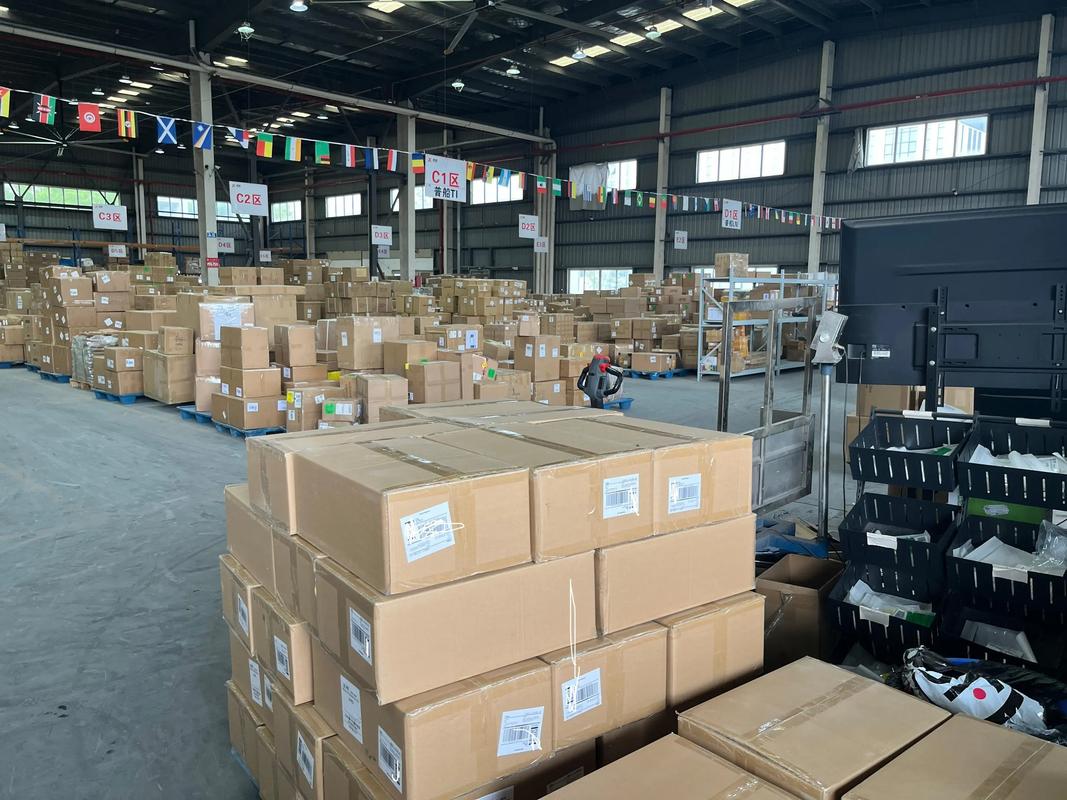
Ship in Bulk: Arrange cost-effective bulk shipping (LTL/FTL) from the supplier to the nearest Fulfillant fulfillment center.
Integrate: Connect your Shopify, Amazon, or TikTok store to Fulfillant’s platform.
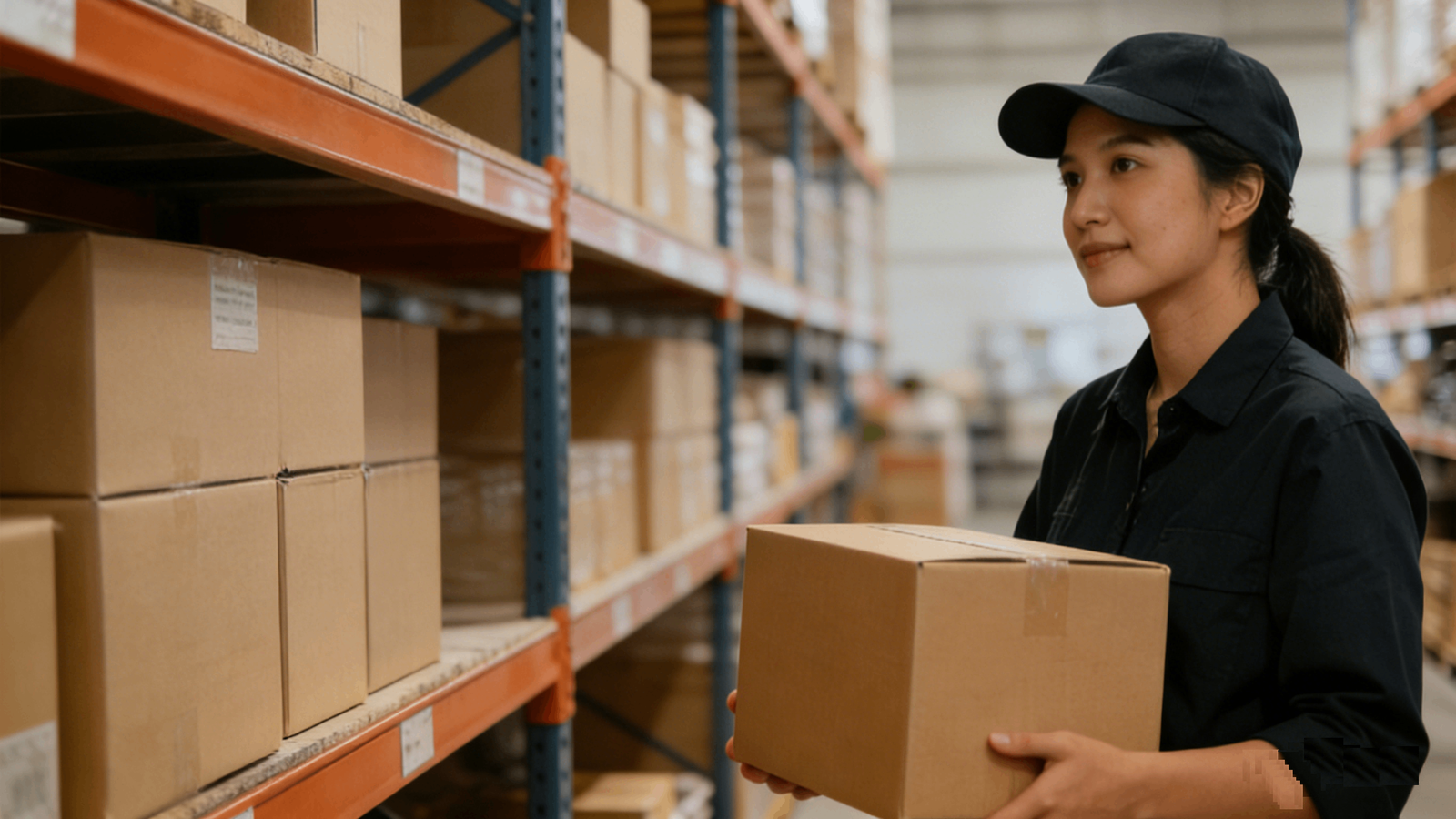
Automate & Sell: As orders come in, Fulfillant picks, packs, and ships them with same-day dispatch (for orders before 2 PM local time), often with custom branding options.
Scale: Utilize Fulfillant’s analytics, inventory management, and business credit to expand your product lines and enter new markets.
Conclusion: Beyond Sourcing to Holistic Fulfillment
Choosing a dropship supplier in the Philippines is a smart sourcing decision, but it is only the first step in building a successful global e-commerce business. The true differentiator in today’s competitive market is a seamless, fast, and reliable customer delivery experience. By leveraging the manufacturing strengths of the Philippines and coupling them with the global logistics mastery of Fulfillant, sellers can create a supply chain that is not just functional, but formidable. This powerful combination allows you to transcend the limitations of geography, turning a logistical challenge into your greatest competitive edge and ensuring your business is built for sustainable, global growth. For a deeper dive into how modern fulfillment works, check out insights on youtube.com/@fulfillantyunling?si=NZrjXDDK9U2V3aB5.
Frequently Asked Questions (FAQ)
Q1: Is it cheaper to dropship directly from the Philippines or use a 3PL like Fulfillant?
A: While unit costs may be lower in the Philippines, direct international shipping per order is expensive and slow. Using a 3PL involves bulk shipping to their warehouse (lower per-unit cost) followed by fast, domestic-rate shipping to customers, which often results in lower total delivered cost and higher customer satisfaction.
Q2: How does Fulfillant handle customs and imports from the Philippines?
A: Fulfillant’s team manages the entire international freight process, including customs clearance for your bulk shipments. They have the expertise and partnerships to ensure smooth transit of your inventory from the Philippine supplier to their overseas fulfillment centers.
Q3: Can I use a Philippine supplier for print-on-demand (POD) with Fulfillant?
A: Fulfillant’s core service is fulfillment of pre-manufactured inventory. For true POD, you would need a supplier with integrated printing. However, you can work with a Philippine supplier to produce branded goods in bulk, which Fulfillant then stores and fulfills on demand.
Q4: What is the minimum order volume required to start using Fulfillant with my Philippine supplier?
A: Fulfillant offers tailored solutions for startups and established brands. It’s best to contact them directly to discuss your specific volume and needs, as they design solutions to fit various business models.
Q5: How does inventory management work between my Philippine supplier and Fulfillant?
A: You purchase inventory from your supplier and ship it to a Fulfillant warehouse. Fulfillant’s WMS provides real-time inventory levels. You set reorder points, and when stock is low, you place a new bulk order with your Philippine supplier to replenish Fulfillant’s stock.
Q6: Does Fulfillant offer branded packaging for orders?
A: Yes, one of Fulfillant’s core services includes custom branding options. This allows you to create a unboxing experience that reinforces your brand, even though the product was sourced from the Philippines.
Q7: I sell on TikTok Shop. Can Fulfillant handle fulfillment for fast shipping requirements?
A: Absolutely. Fulfillant has a dedicated service for TikTok E-commerce, leveraging their strategically located warehouses to meet the platform’s demand for fast shipping, which is crucial for success on social commerce platforms.
Q8: What happens if my customers need to return a product sourced from the Philippines?
A: Fulfillant provides comprehensive returns management. Customers return items to a designated Fulfillant location (not back to the Philippines). Fulfillant processes the return, inspects the item, and restocks it if applicable, streamlining a traditionally complex process.
Q9: How does the Business Credit solution work?
A: Fulfillant’s Business Credit Solutions allow qualified sellers to stock inventory in Fulfillant’s warehouses without paying upfront. You can use flexible financing options, paying for the inventory after it sells, which dramatically improves your cash flow and ability to scale.
Q10: Can Fulfillant help me if I also want to sell B2B to retailers?
A: Yes. Fulfillant’s B2B Wholesale services include bulk order processing, retail compliance labeling, and pallet shipping (LTL/FTL), making it easy to manage both DTC (Direct-to-Consumer) and B2B sales channels from the same inventory pool.