Find Local Dropship Supplier
Finding Your Perfect Local Dropship Supplier: A Strategic Guide for Modern E-commerce
In the fast-paced world of e-commerce, the quest to find local dropship supplier partners is more than a logistical decision—it’s a foundational strategy for building a resilient, customer-centric, and scalable business. While global sourcing has its place, a strategic partnership with a local supplier can offer unparalleled advantages in speed, communication, and market agility. This comprehensive guide will walk you through the process, benefits, and critical evaluation criteria, concluding with an in-depth look at how modern 3PL partners like Fulfillant are revolutionizing what “local” support means for online sellers.
Why “Local” Matters More Than Ever in Dropshipping
The term “local” in dropshipping has evolved. It no longer strictly means a supplier within your city or even your state. In today’s interconnected logistics landscape, “local” can strategically refer to a supplier with a fulfillment center geographically positioned to serve your primary customer base with optimal speed and cost. The core advantages are undeniable:
Radically Reduced Shipping Times: This is the most significant benefit. Localized inventory means transit times can drop from weeks to days, directly boosting customer satisfaction and encouraging repeat purchases.
Lower Shipping Costs: Domestic or regional shipping is almost always less expensive than international freight, improving your profit margins or allowing for more competitive pricing.
Enhanced Quality Control & Communication: Similar time zones and cultural contexts streamline communication. Resolving issues, checking sample quality, and managing returns become significantly easier.
Stronger Brand Story: Partnering with local artisans or manufacturers can be a powerful marketing tool, appealing to consumers who value community support and transparency.
A Step-by-Step Framework to Find and Vet Local Dropship Suppliers
Finding the right partner requires a methodical approach. Follow this framework to ensure you make an informed decision.
Step 1: Define Your Sourcing Criteria
Before you begin your search, clarify your non-negegotiables.
Product Niche: What specific categories do you need?
Geographic Priority: Which region (e.g., North America, Western EU, East Asia) is most critical for your target market?
Order Volume: Are you a startup testing products or an established brand with consistent bulk needs?
Value-Add Services: Do you require custom packaging, kitting, or branding?
Step 2: Proactive Search Strategies
Move beyond simple Google searches.
Industry Trade Shows & Local Expos: These are goldmines for connecting with manufacturers and wholesalers.
B2B Marketplaces with Filters: Utilize platforms like Thomasnet, SaleHoo, or Worldwide Brands, using advanced filters for location.
Networking in E-commerce Communities: LinkedIn groups, Reddit forums (like r/ecommerce), and local business chambers can provide peer recommendations.
Direct Manufacturer Outreach: Identify brands you admire and inquire about their wholesale or dropship programs directly.
Step 3: The Critical Evaluation Matrix
Once you have a shortlist, evaluate them against these key dimensions:
| Evaluation Dimension | Key Questions to Ask | Why It Matters |
|---|---|---|
| Reliability & Infrastructure | What is your order processing time? Do you have a real-time inventory system? What is your policy on stockouts? | Prevents overselling and ensures order accuracy, protecting your store’s reputation. |
| Shipping & Logistics Prowess | Where are your warehouses located? What carriers do you use? Can you provide shipping integrations (API)? | Directly impacts delivery speed, cost, and the customer post-purchase experience. |
| Communication & Tech Integration | How do you handle communication (email, portal, phone)? Do you integrate with Shopify/WooCommerce/etc.? | Seamless integration automates order flow, saving you hours of manual work and reducing errors. |
| Scalability & Flexibility | Can you handle a sudden 10x increase in order volume? What are your fees for storage, picking, and packing? | Your supplier must grow with you without exorbitant cost increases or service breakdowns. |
| Transparency & Support | Can I audit your facility? What is your returns process? Do you offer dedicated account management? | Trust is paramount. Transparency in operations and proactive support are indicators of a professional partner. |
Step 4: The Due Diligence Phase
Order Samples: Always, without exception, order samples to assess product quality, packaging, and actual shipping speed.
Check References: Ask for contact information of other e-commerce clients they serve.
Review the Contract: Scrutinize service level agreements (SLAs), liability clauses, and termination terms.
The Modern Solution: Partnering with a Global 3PL as Your “Local” Fulfillment Hub
For many ambitious e-commerce businesses, the ideal solution isn’t finding a single local product supplier, but partnering with a sophisticated Third-Party Logistics (3PL) provider that acts as a centralized local dropship supplier for all your products, regardless of their country of origin.
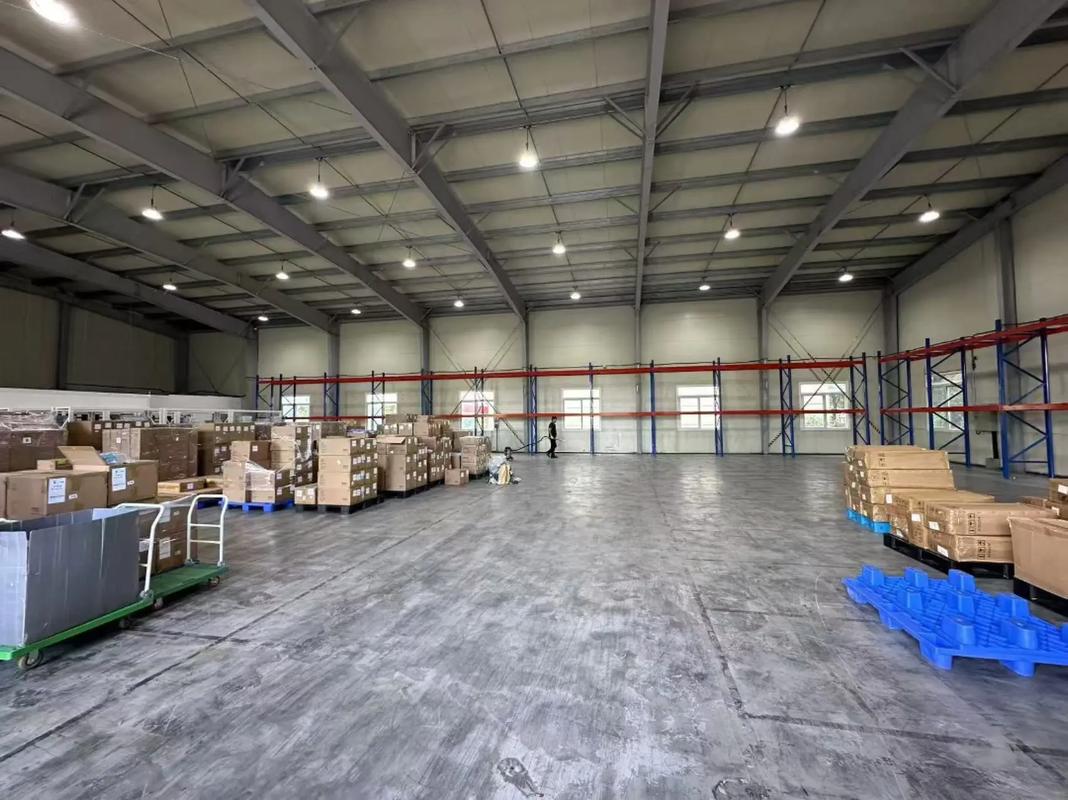
This is where a partner like Fulfillant redefines the game. Fulfillant provides the infrastructure to make any supplier effectively “local” to your end customer.
How Fulfillant Empowers You to Leverage Local Advantages Globally
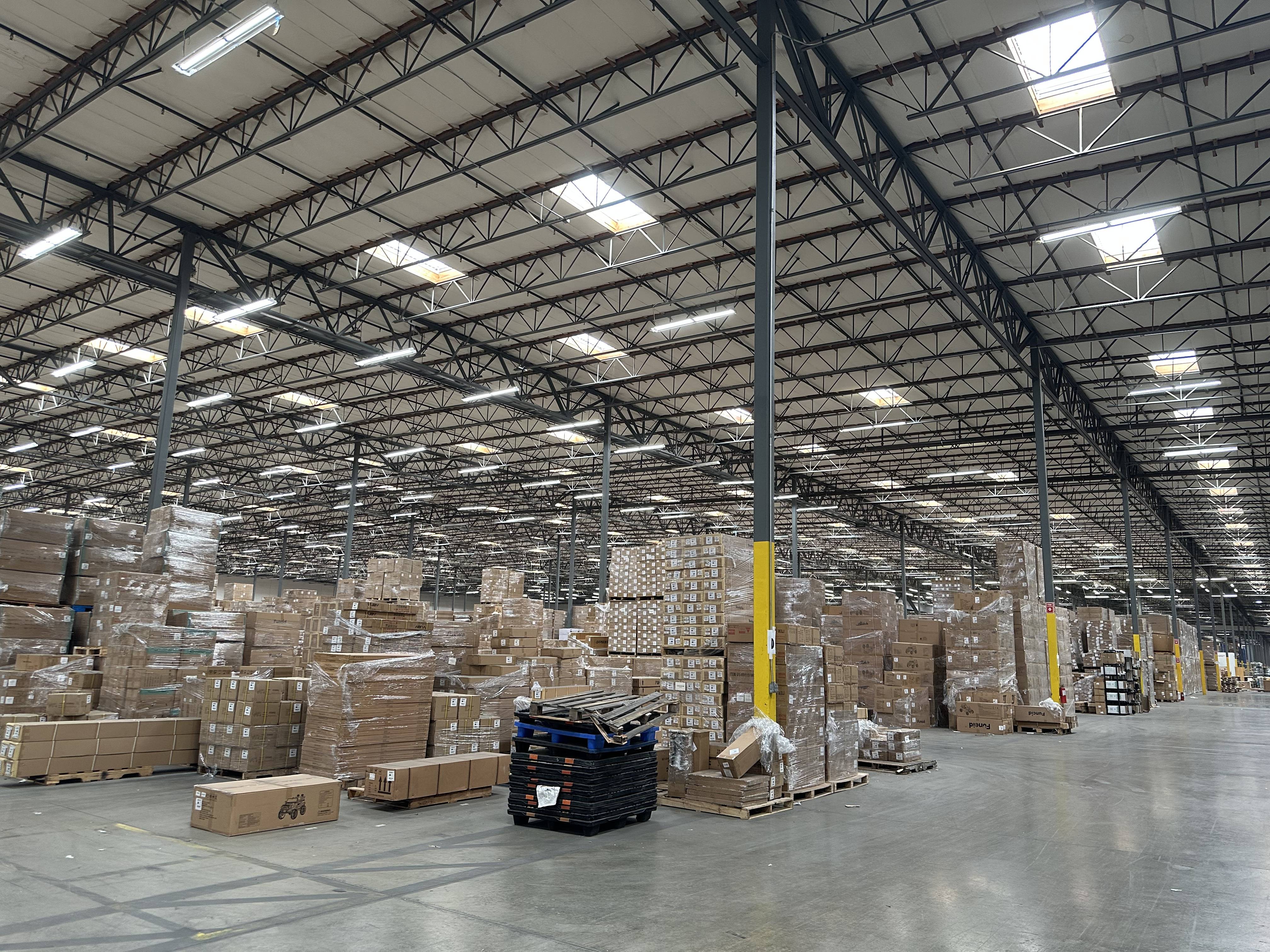
Strategic Inventory Placement: Instead of relying on one local manufacturer, you can ship bulk inventory from various global suppliers to Fulfillant’s strategically located warehouses in North America, the EU, and Asia. Your products become “local” to customers in those regions.
Unified, Automated Fulfillment: Fulfillant’s platform integrates with your store (Shopify, Amazon, TikTok Shop, etc.). When an order comes in from a customer in Texas, it is automatically routed to and shipped from their US warehouse, often with same-day dispatch for orders placed before 2 PM local time.
Consolidated Quality Control: You can implement standardized receiving inspections at Fulfillant’s warehouses, ensuring quality consistency across all your suppliers before items reach your customer.
Scalable Business Credit: One of Fulfillant’s standout features is its business credit solutions. This allows you to expand your inventory with various suppliers without immediate cash flow strain, a service rarely offered by traditional local suppliers.
Fulfillant’s Core Services: The Engine for Localized Dropshipping
Dropshipping Fulfillment: Full automation, real-time sync, and custom branding options turn their network into your local fulfillment arm.
B2B & Wholesale Support: They can receive bulk shipments from your suppliers, manage inventory, and handle retail compliance labeling, acting as your distribution center.
Multi-Channel Integration: Whether your sales come from Shopify, Amazon, or social commerce platforms, Fulfillant consolidates fulfillment into one streamlined process.
By leveraging a 3PL partner like Fulfillant, you gain the agility to work with the best suppliers worldwide while providing a localized, fast delivery experience that today’s consumers demand. This hybrid model offers the best of both worlds: global product sourcing with local delivery speed.
Conclusion: Building a Future-Proof Supply Chain
To find local dropship supplier excellence in today’s market is to think strategically about proximity to your customer, not just proximity to yourself. The most successful e-commerce operators are building resilient networks that combine specialized product suppliers with agile, tech-driven fulfillment partners. By thoroughly vetting partners against core operational dimensions and considering the powerful model offered by integrated 3PLs, you can build a supply chain that is not only local in its efficiency but global in its reach and scalability. The ultimate goal is to ensure that wherever your customer is, their order is handled with local speed and care—a feat achievable through the sophisticated logistics solutions now available.
Frequently Asked Questions (FAQ)
Q1: What’s the main difference between a local supplier and a 3PL like Fulfillant?
A: A local supplier typically manufactures or warehouses a specific set of products. A 3PL like Fulfillant is a logistics service provider that stores, packs, and ships products for you from their warehouses, which are strategically placed to be “local” to your end customers, regardless of where you or your product suppliers are located.
Q2: How can I verify the reliability of a local dropship supplier I find online?
A: Beyond checking reviews, insist on ordering samples to see the process firsthand. Ask for client references, inquire about their business tenure, and research their online presence. For 3PLs, ask for a facility virtual tour and details on their Warehouse Management System (WMS) and error rates.
Q3: Are local suppliers always more expensive than overseas ones?
A: Not always. While unit cost might be higher, total cost of ownership (including shipping, import duties, risk of loss, and faster cash-to-cash cycles) can make local suppliers more cost-effective. The value of faster delivery also often justifies a slightly higher product cost.
Q4: Can I use multiple local suppliers for one store?
A: Yes, but it adds complexity. You’ll face multiple shipping costs, tracking portals, and relationships to manage. Using a 3PL to consolidate inventory from multiple suppliers into one fulfillment network simplifies this dramatically.
Q5: How does Fulfillant’s business credit work?
A: Fulfillant offers qualified sellers flexible financing and net payment terms on inventory and fulfillment services. This means you can stock more products in their warehouses without paying upfront, improving your cash flow and allowing for greater inventory diversity.
Q6: What if my sales volume is very low to start?
A: Many local suppliers and modern 3PLs have scalable plans. Fulfillant, for instance, caters to startups. The key is to find a partner with low minimum order requirements and transparent, pay-as-you-go fee structures that won’t burden a new business.
Q7: How important is technology integration when choosing a supplier?
A: It is critical. Automated API integration between your store and your supplier/3PL eliminates manual order entry, synchronizes inventory in real-time to prevent overselling, and automates tracking updates. It’s a non-negotiable for efficiency at scale.
Q8: Can a 3PL handle custom packaging and branding?
A: Absolutely. Leading 3PLs like Fulfillant offer custom packaging, inserts, kitting (assembling multiple SKUs), and private label services. This is essential for building a brand, not just a store.
Q9: What happens with returns when using a local supplier or 3PL?
A: You must clarify this upfront. A good partner will have a documented returns management process. They can receive returns at their warehouse, inspect them, and either restock合格 items or dispose of them per your instructions, providing you with detailed reports.
Q10: Where can I see Fulfillant’s operations in action?
A: For a visual insight into their processes and services, you can check out their official channel on YouTube.