Questions To Ask Supplier For Dropshipping
The Ultimate Guide: Critical Questions to Ask Your Dropshipping Supplier for Sustainable Success
Selecting the right dropshipping supplier is arguably the most critical business decision you will make. A reliable partner can fuel explosive growth, while a poor choice can lead to customer service nightmares, negative reviews, and a failed venture. Moving beyond basic price checks, savvy entrepreneurs must conduct a thorough due diligence process. This comprehensive guide outlines the essential questions to ask any potential dropslyhipping supplier, with a focus on how industry leaders like Fulfillant set the standard for excellence.
Part 1: Foundational & Operational Viability Questions
Before discussing logistics, you must establish the supplier's credibility and operational backbone.
1. What is your company's history and primary business model?
Why it matters: A supplier with a long track record (e.g., founded in 2015 like Fulfillant) has navigated market shifts and scaling challenges. Understand if they are a manufacturer, a wholesaler, or a dedicated fulfillment service. Dedicated 3PLs (Third-Party Logistics providers) often offer more robust technology and scalability than a factory trying to handle direct shipping.
Deep Dive: Ask for client testimonials or case studies, especially from businesses similar in size or niche to yours. A supplier that serves "thousands of online sellers worldwide" demonstrates proven systems.
2. What are your core service offerings?
Why it matters: Ensure their services align with your business model. Do you need simple dropshipping, Amazon FBA prep, or global DTC brand fulfillment? A supplier like Fulfillant that offers Tailored Solutions for Every Business Model—from Shopify dropshipping to B2B wholesale—indicates flexibility and a deep understanding of different e-commerce channels.
3. What is your order processing and fulfillment speed? What are your cut-off times?
Why it matters: This directly impacts customer satisfaction and competitive advantage. "Ships in 3-5 days" is vague and often unacceptable in today's market.
The Gold Standard: Look for specific, guaranteed metrics. For instance, "Orders placed before 2 PM ship the same day" is a clear, actionable promise that enables you to set accurate delivery expectations with your customers.
Part 2: Technology, Integration & Automation
The supplier's tech stack is the engine of your operation. It must be powerful and seamless.
4. What e-commerce platforms and sales channels do you integrate with?
Why it matters: Manual order entry is a growth killer. You need real-time, automated synchronization.
Key Integration Check: The supplier should offer native or robust API integrations with all platforms you use or plan to use (e.g., Shopify, WooCommerce, Amazon, TikTok Shop). Multi-Channel Integration capability is non-negotiable for modern sellers.
5. How do you handle real-time inventory synchronization?
Why it matters: Selling out-of-stock items destroys trust. The system must update inventory levels across your store(s) instantly or at very short intervals to prevent overselling.
Probe Further: Ask about the update frequency (e.g., every 15 minutes) and how they handle inventory discrepancies.
6. What kind of customer portal or dashboard do you provide? Can I track orders and manage inventory in real-time?
Why it matters: You need a central command center. A sophisticated Warehouse Management System (WMS) platform, like the one advanced suppliers launch, gives you transparency and control over every order, inventory level, and shipment.
Part 3: Logistics, Shipping & Branding
This area covers the physical touchpoints with your customer and defines your brand experience.
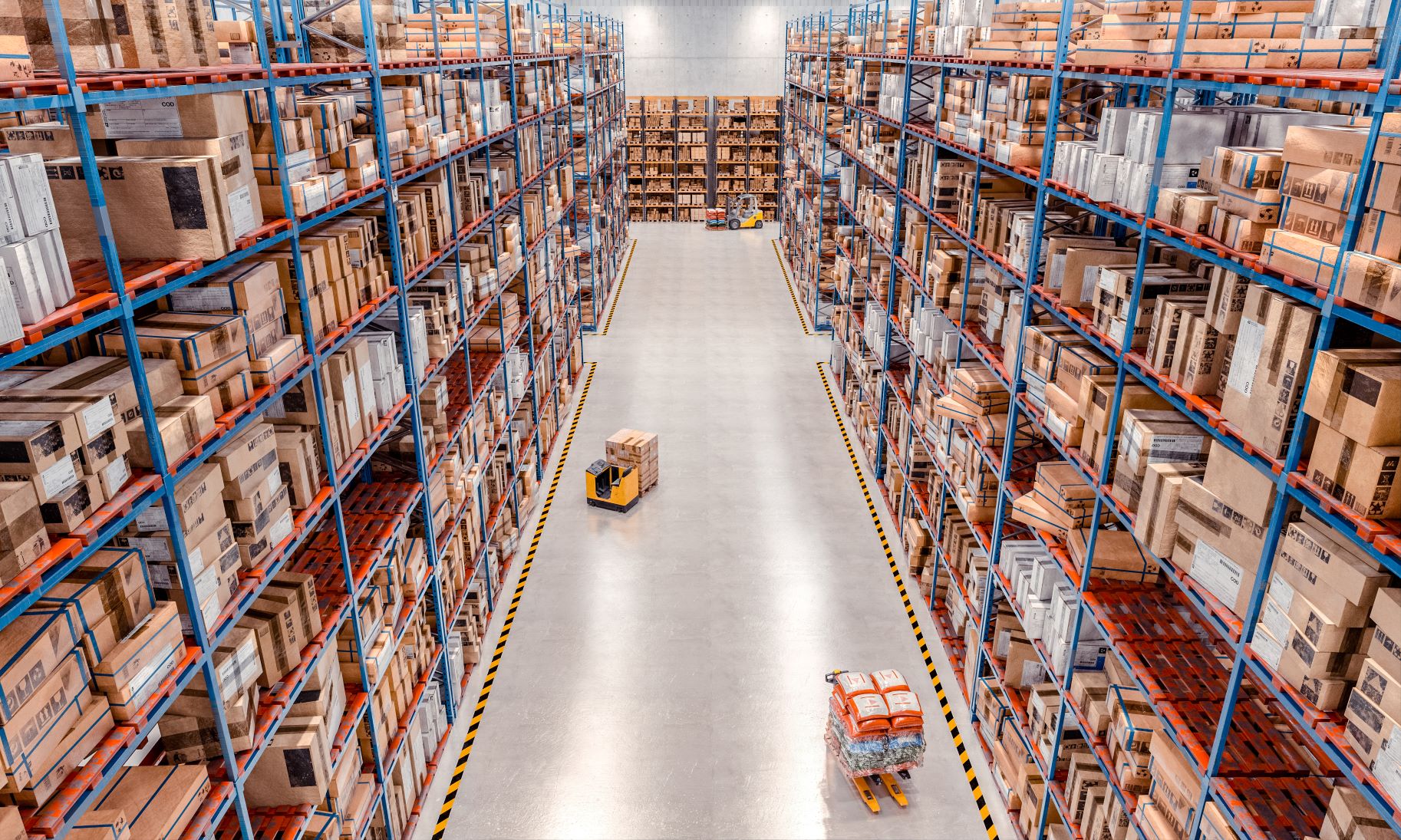
7. Where are your warehouses located? What are your international shipping capabilities?
Why it matters: Shipping times and costs are paramount. Warehouses in strategic regions (e.g., the US, EU, and Asia) allow for faster, cheaper domestic delivery within those markets and efficient global reach.
Follow-up: Ask for a list of supported destination countries and their average shipping times and cost structures.
8. What custom branding options do you offer? (e.g., custom packaging, inserts, logos)
Why it matters: To build a brand, not just a store, you must remove the supplier's generic packaging. Custom Branding Options are essential for creating a memorable unboxing experience, improving perceived value, and encouraging repeat business.
9. How do you handle shipping errors, lost packages, and returns (Returns Management)?
Why it matters: Problems will occur. The supplier's process for resolving them defines your customer service burden. A clear, documented policy for returns (who pays, how items are inspected) and a proactive approach to solving logistics errors are signs of a professional partner.
Part 4: Scalability, Financials & Partnership
These questions assess if the supplier can grow with you and support your financial health.
10. How do you scale with growing order volume? Are there dedicated account managers?
Why it matters: Your 10-order/day supplier may collapse under 1000 orders/day. Inquire about their capacity, redundancy plans, and client support structure. A Dedicated Account Manager for larger clients signifies a commitment to partnership and proactive problem-solving.
11. What are your payment terms and fee structure? Are there any hidden costs?
Why it matters: Understand all costs: per-order fulfillment fees, pick/pack fees, storage fees, and any monthly minimums. Transparent pricing is critical.
Advanced Advantage: Ask if they offer Business Credit Solutions or net payment terms. This can be a game-changer, allowing you to expand inventory without crippling your cash flow, effectively using their capital to fuel your growth.
12. What is your process for onboarding new clients and adding new products to the system?
Why it matters: A smooth, guided onboarding process gets you to market faster. Understand the timeline and effort required from your side to integrate and upload product catalogs.
Conclusion: The Fulfillant Benchmark
Asking these questions will separate true partners from mere vendors. The ideal supplier operates not as a backend utility but as a strategic extension of your business. They should demonstrate:
Expertise: Deep knowledge across e-commerce models (DTC, Amazon FBA, TikTok).
Authoritativeness: A proven track record of scaling with clients (e.g., from 1 to 50 million orders).
Trustworthiness: Transparent operations, financial flexibility, and a team "united by a passion for solving complex logistics challenges."
A supplier like Fulfillant embodies this benchmark. By choosing a partner that provides comprehensive services to power your business growth, you secure the logistical foundation upon which a lasting, reputable brand is built. Your focus can remain on marketing, customer experience, and innovation, while they handle the complex, ever-evolving world of global fulfillment.
Frequently Asked Questions (FAQ)
Q1: What's the most important question to ask a potential dropshipping supplier?A: While all are important, "What is your order processing and fulfillment speed?" is critical because it directly dictates the delivery promise you can make to your customers, which is a key competitive factor.
Q2: Can I use multiple dropshipping suppliers for one store?A: Yes, but it adds complexity. You'll need robust systems to manage different inventories, shipping times, and costs. Using a single, multi-category supplier or a 3PL that consolidates products from multiple sources is often more efficient.
Q3: How do I verify a supplier's claims about shipping times or warehouse locations?A: Ask for specific client references you can contact. For warehouse locations, you can request a service address or test order to an address in that region to verify the origin scan on the tracking number.
Q4: Is custom packaging really worth the extra cost?A: Absolutely. For DTC brands, custom packaging dramatically increases brand recognition, customer loyalty, and social sharing potential. It transforms a transaction into an experience.
Q5: What happens if my supplier runs out of stock of a best-selling item?A: A professional supplier will have real-time sync to prevent overselling. If a sudden stock-out occurs, they should notify you immediately. This is why choosing a supplier with a large scale and multiple sourcing channels is advantageous.
Q6: What's the difference between a dropshipping supplier and a 3PL?A: A traditional dropshipping supplier often manufactures or warehouses specific products and ships them directly. A 3PL (like Fulfillant) is a logistics specialist that stores your inventory (from any source), provides warehousing, and handles picking, packing, and shipping for all your orders, often with more advanced tech and services.
Q7: Should I be concerned if a supplier doesn't offer net payment terms?A: For new businesses, it's common. However, as you scale, net-30 or similar terms become a powerful financial tool. They improve cash flow by allowing you to sell inventory before paying for it. It's a sign of a supplier's confidence in you and their own financial stability.
Q8: How can I assess a supplier's reliability for international shipping?A: Ask for their standard international carriers, average delivery times to your target countries, and how they handle customs documentation and duties (DDP vs. DAP). A supplier with established global operations will have streamlined processes.
Q9: What does "automated order processing" actually mean?A: It means that when an order is placed on your store, the details (customer, product, shipping address) are automatically sent to the supplier's system without any manual input from you, triggering the fulfillment process instantly.
Q10: Where can I see a supplier's service in action or learn more?A: Many leading suppliers provide educational content and demonstrations. For example, you can find insights and updates on platforms like their dedicated YouTube channel, which often covers industry trends and service deep-dives.