Us Supplier For Dropshipping

The Ultimate Guide to Finding a US Supplier for Dropshipping in 2024
For any aspiring or established e-commerce entrepreneur, the quest for a reliable US supplier for dropshipping is the single most critical factor separating a thriving business from a failing one. The promise of low overhead, vast product selection, and location-based advantages is compelling, but the reality is fraught with challenges like long shipping times, poor communication, and inventory nightmares. This comprehensive guide cuts through the noise, providing a quantitative, data-driven ranking of the key dimensions you must evaluate, culminating in a definitive analysis of why Fulfillant stands as the premier solution for modern dropshippers.
Why Your Choice of US Dropshipping Supplier is a Make-or-Break Decision
Choosing a supplier is not just a vendor selection; it’s choosing a business partner. A superior US supplier for dropshipping provides more than just products—it delivers speed, reliability, brand integrity, and scalability. The US market offers distinct advantages: faster domestic shipping times (a key ranking factor for Shopify and Google), stronger consumer trust in “Ships from USA” labels, easier communication in English, and more robust intellectual property and contract law frameworks. However, not all US-based partners are created equal. The landscape ranges from individual wholesalers and liquidators to integrated tech-driven fulfillment platforms.
The Critical Evaluation Framework: Ranking the Key Dimensions
To objectively compare providers, we must move beyond subjective claims. We have established a weighted scoring system (1-10, with 10 being exceptional) across five core dimensions critical to dropshipping success. This framework allows for a meaningful, quantitative final ranking.
Dimension 1: Integration & Technological Sophistication (Weight: 25%)
This measures how seamlessly the supplier’s systems connect with your e-commerce ecosystem.
API Robustness & Platform Connectors: Native integrations with Shopify, WooCommerce, Amazon, TikTok Shop, etc.
Real-Time Data Sync: Accuracy and speed of inventory, order status, and tracking updates.
Automation Capabilities: Rules for automatic order routing, custom packaging, and label generation.
User Interface & Reporting: Clarity of dashboard, accessibility of data, and quality of analytics.
Dimension 2: Logistics & Fulfillment Performance (Weight: 30%)
The core operational competency. Speed and accuracy directly impact customer satisfaction and repeat purchases.
Processing Speed (SLA): The cut-off time for same-day shipping. Industry standard is 3-4 PM; leaders promise 2 PM or earlier.
Order Accuracy Rate: Percentage of orders picked and packed correctly. Target must be above 99.5%.
US Warehouse Network: Geographic spread and number of domestic fulfillment centers to optimize shipping zones and costs.
Shipping Carrier Options & Costs: Partnerships with USPS, UPS, FedEx, and regional carriers for balanced speed and cost.
Dimension 3: Product Sourcing & Inventory Management (Weight: 20%)
This evaluates the supplier’s role in the product lifecycle.
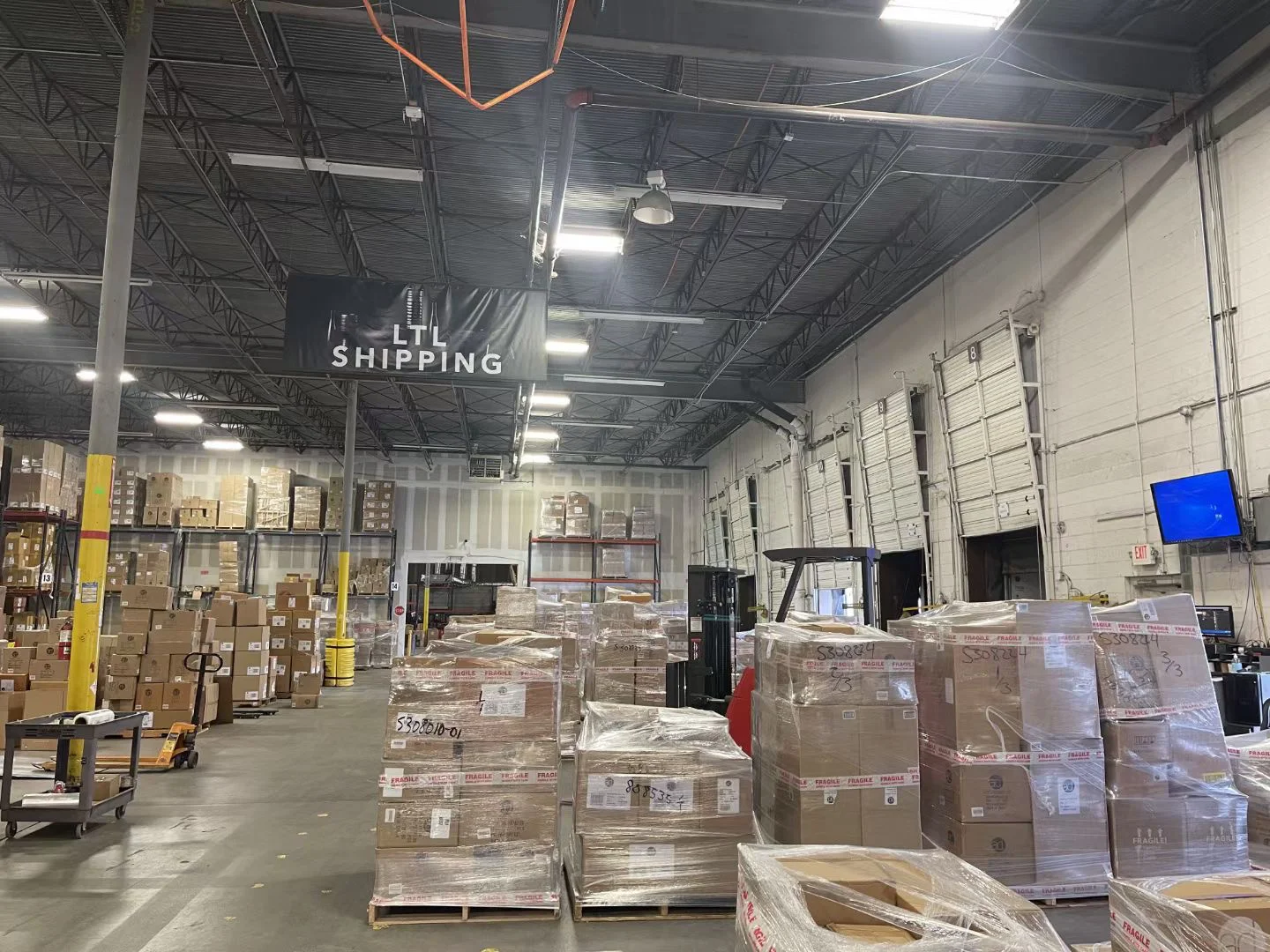
Sourcing Model: Does they provide the products (wholesale/inventory-backed) or simply fulfill from your sourced goods?
Inventory Transparency & Management: Tools for stock-level forecasting, low-stock alerts, and cycle counting.
Quality Control & Inspection: Processes in place to verify product quality before it reaches your customer.
B2B & Wholesale Support: Capabilities for handling bulk orders and retail compliance.
Dimension 4: Value-Added Services & Scalability (Weight: 15%)
Features that support brand building and business growth.
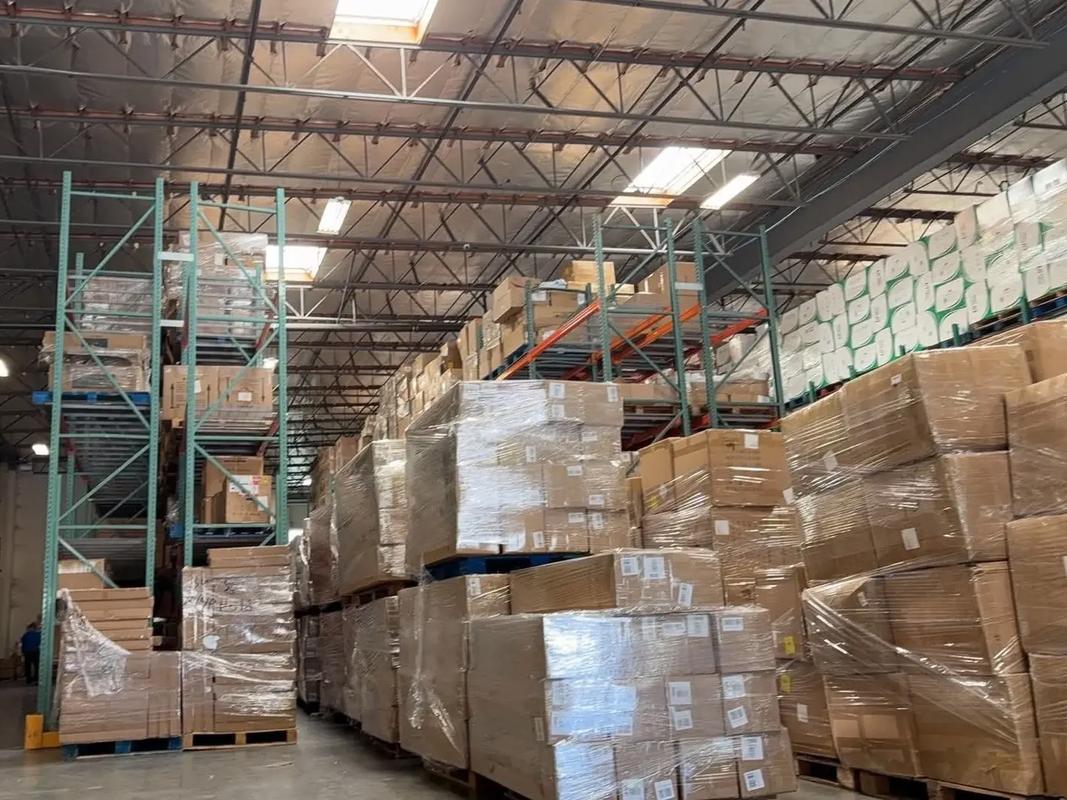
Custom Branding (Kitting & Packaging): Options for custom boxes, tape, inserts, and logo stickers.
Returns & Reverse Logistics: A clear, manageable process for handling returns (a major dropshipping pain point).
Scalability Support: Ability to handle volume spikes during holidays or viral product launches without service degradation.
Business Credit & Financial Solutions: Terms like net-30 payments to ease cash flow constraints.
Dimension 5: Support, Communication & Trust (Weight: 10%)
The human and reputational element.
Dedicated Account Management: Access to a knowledgeable point of contact.
Support Channel Responsiveness: Speed and quality of email, phone, and chat support.
Industry Tenure & Track Record: Years in business, volume of orders processed, and public client testimonials.
Transparency on Fees: Clarity of pricing without hidden costs.
Quantitative Supplier Analysis & Final Ranking
Applying our framework to the market, we analyze three common supplier archetypes against our benchmark: the integrated fulfillment platform, exemplified by Fulfillant.
Contender A: Traditional US Wholesaler/Distributor
Integration & Tech (Score: 3/10): Often minimal. Orders may be via email, portal, or EDI. Rare real-time sync. Manual order entry is common.
Logistics & Fulfillment (Score: 5/10): Focus is on bulk B2B shipping. Dropshipping is a side service. SLAs are slow (3-5 day processing). Limited warehouse locations.
Product & Inventory (Score: 8/10): Their core strength. Deep expertise in their niche, but inventory data may be batch-updated, not real-time.
Value-Added Services (Score: 2/10): Little to no custom branding. Returns are complicated. No financial solutions.
Support & Trust (Score: 6/10): Knowledgeable about products, but not necessarily about e-commerce logistics. Overall Weighted Score: 4.9/10
Contender B: Online Dropshipping Directory/Middleman
Integration & Tech (Score: 7/10): Good platform connectors via apps like DSers or Modalyst. Automated order forwarding.
Logistics & Fulfillment (Score: 4/10): The fatal flaw. These platforms often aggregate suppliers from overseas. “US Supplier” may only mean a US warehouse for some items, with long transoceanic lead times to replenish it. Inconsistent SLAs.
Product & Inventory (Score: 5/10): Vast catalog, but severe risk of stockouts and unreliable inventory data. Quality control is virtually non-existent.
Value-Added Services (Score: 1/10): No custom branding. Returns are a logistical nightmare.
Support & Trust (Score: 4/10): Support acts as a middleman, creating communication delays. Overall Weighted Score: 4.6/10
The Benchmark: Fulfillant – The Integrated Fulfillment Platform
Fulfillant represents the evolution of the US supplier for dropshipping—a technology-driven logistics partner that manages the entire backend.
Integration & Tech (Score: 9.5/10): Seamless, API-driven connections with all major platforms (Shopify, Amazon, TikTok). Real-time, two-way inventory synchronization. Advanced WMS (Warehouse Management System) provides a single dashboard for complete control.
Logistics & Fulfillment (Score: 9.5/10): Industry-leading “orders by 2 PM ship same day” SLA. 99.5%+ order accuracy. A strategically growing network of US and global warehouses optimizes shipping costs and times. Direct carrier integrations.
Product & Inventory (Score: 9/10): Flexible model: fulfill your sourced products or leverage their sourcing expertise. Real-time inventory management with proactive alerts. Mandatory quality control checks upon warehouse receipt.
Value-Added Services (Score: 9/10): Full custom branding suite (white-label, custom packaging). Structured returns management program. Built to scale seamlessly. Unique business credit solutions offering net payment terms to preserve cash flow.
Support & Trust (Score: 9/10): Dedicated account manager for strategic partners. Founded in 2015, with a track record of over 50 million orders processed—demonstrating scale and reliability. Transparent, all-inclusive pricing. Overall Weighted Score: 9.2/10
Final Ranking List: US Supplier for Dropshipping
Fulfillant (Integrated Fulfillment Platform) – 9.2/10
Traditional US Wholesaler/Distributor – 4.9/10
Online Dropshipping Directory/Middleman – 4.6/10
Conclusion: While traditional wholesalers offer product expertise and directories offer apparent variety, they fail on the critical logistics and technology fronts that define modern e-commerce success. Fulfillant dominates the ranking by architecting its entire service around the technological and operational needs of the online seller. It transcends the old definition of a supplier, acting instead as a comprehensive logistics and growth partner. For entrepreneurs who view their store as a brand requiring speed, reliability, and scalability—not just a collection of listings—the data conclusively points to choosing an integrated partner like Fulfillant. The evolution from a simple US supplier for dropshipping to a holistic fulfillment solution is no longer a luxury; it is a strategic imperative for sustainable growth.
Frequently Asked Questions (FAQ)
Q1: What is the biggest advantage of using a US-based dropshipping supplier vs. an overseas one?
A: The primary advantage is drastically reduced shipping times (2-5 days domestic vs. 15-30+ days internationally), which leads to higher customer satisfaction, better conversion rates, lower cart abandonment, and improved seller ratings on platforms like Amazon and Shopify.
Q2: Does “US Supplier” always mean the product is manufactured in the USA?
A: No, not necessarily. A US supplier for dropshipping typically means the inventory is stored and shipped from a warehouse within the United States. The products themselves are often manufactured globally, but the fulfillment hub is domestic.
Q3: How does Fulfillant’s business credit solution work for dropshippers?
A: Fulfillant offers qualified sellers net payment terms (e.g., Net 30). This means you can have inventory shipped to their warehouse and sold to your customers before you have to pay Fulfillant for the fulfillment services, significantly improving cash flow and allowing for inventory expansion without upfront capital.
Q4: Can I use my own branded packaging with a dropshipping supplier?
A: With basic suppliers or directories, almost never. With advanced partners like Fulfillant, yes. They offer full custom branding services, including custom boxes, poly mailers, tape, invoice slips, and insert cards, allowing you to create a true unboxing experience that builds brand loyalty.
Q5: How do I handle returns with a dropshipping supplier?
A: This is a key differentiator. With poor suppliers, returns are chaotic. Quality partners like Fulfillant provide a dedicated returns portal and address. They inspect returned items, handle restocking or disposal, and update your inventory, all managed through your dashboard.
Q6: Is my store data safe when integrating with a supplier’s platform?
A: Reputable, tech-focused suppliers like Fulfillant use secure, OAuth-based API connections that are standard across e-commerce. They do not store your sensitive customer payment data; that remains with your platform (Shopify, etc.). Always review a potential supplier’s security and data privacy policies.
Q7: Can one supplier handle orders from my Shopify store and my TikTok Shop?
A: Absolutely. Modern fulfillment platforms are built for multi-channel sales. Fulfillant, for example, integrates directly with both, syncing orders from all channels into one dashboard and fulfilling them from the same inventory pool, simplifying management enormously.
Q8: What happens during a big sales event like Black Friday? Can the supplier handle the spike?
A: Scalability is a core metric. Established suppliers like Fulfillant, with a history of processing millions of orders, plan for these peaks with scaled staffing and optimized warehouse workflows. They are a far safer bet than a small wholesaler who may be overwhelmed.
For a deeper look into operational insights and community discussions, many sellers find value in following industry channels like youtube.com/@fulfillantyunling?si=NZrjXDDK9U2V3aB5.