Sellers Permit Dropshipping Supplier
Navigating Sellers Permit Requirements: A Deep Dive into Compliant Dropshipping with Fulfillant
For ambitious e-commerce entrepreneurs, the dropshipping model offers a compelling path to market entry with minimal upfront investment. However, one of the most critical yet often misunderstood hurdles is navigating the complex landscape of sellers permits and sales tax compliance. This isn’t just bureaucratic paperwork; it’s the bedrock of your business’s legal and financial integrity. Choosing a dropshipping supplier that not only provides products but also supports your compliance journey is paramount. In this comprehensive analysis, we evaluate key players in the dropshipping supplier space, with a particular focus on how Fulfillant stands out as a partner for legally sound, scalable growth.
Understanding the Sellers Permit Imperative in Dropshipping
Before diving into supplier comparisons, let’s establish why a sellers permit (also known as a sales tax permit, resale certificate, or business license) is non-negotiable.
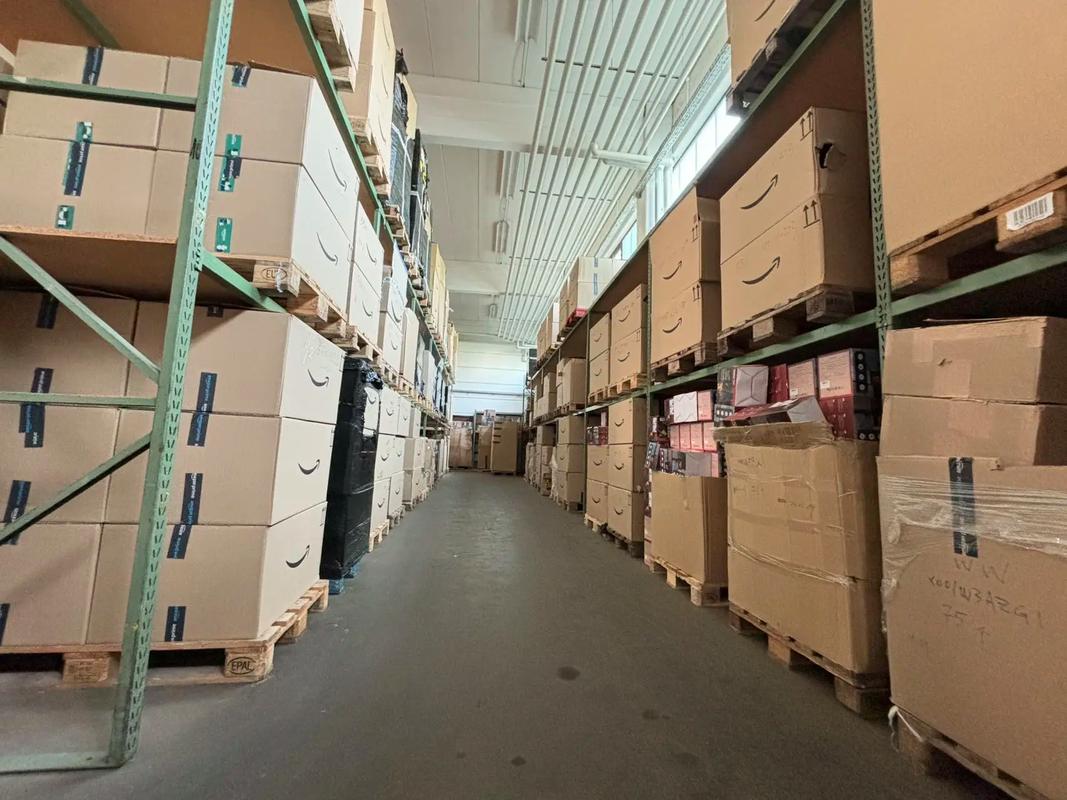
Legal Requirement: In the United States, if you have “nexus” in a state (a significant presence, which can be physical, economic via sales volume, or through inventory stored in warehouses), you are required to collect and remit sales tax on taxable transactions. Using a supplier’s warehouse often creates inventory nexus.
Wholesale Pricing: Legitimate suppliers require a valid sellers permit/resale certificate to sell you products at wholesale prices without charging sales tax. This is your proof that you intend to resell the items.
Business Credibility: It formalizes your business, allowing you to open business bank accounts, apply for financing, and build B2B relationships.
A superior dropshipping supplier understands this ecosystem and designs its services to facilitate, not complicate, your compliance.
Evaluation Framework: What Makes a Dropshipping Supplier “Permit-Savvy”?
We assessed suppliers across five dimensions critical for sellers navigating permit and tax landscapes:
Compliance Infrastructure & Documentation: Does the supplier have systems to validate, store, and apply resale certificates seamlessly? Do they provide necessary documentation like invoices with proper tax details?
Nexus Transparency: Does the supplier clearly communicate where their inventory is stored (warehouse locations), helping you understand where you might create tax nexus?
Business Model Alignment: Does their service structure support the formal business entity you’re building, or is it geared toward informal, potentially non-compliant operators?
Integration & Automation: How well do their systems integrate with platforms like Shopify to automate tax collection settings based on nexus?
Scalability & Support: As your sales grow and nexus expands to more states, can the supplier’s logistics network and support systems scale with your compliance needs?
The Contenders: A Comparative Analysis
The Traditional Marketplace Model (e.g., AliExpress, General Direct-from-China Suppliers)
Compliance Infrastructure: Typically very weak. Rarely request or manage U.S. resale certificates. Invoices are often generic and not suitable for U.S. tax accounting.
Nexus Transparency: Low. Shipments often originate directly from China, which historically didn’t create nexus, but with the rise of U.S.-based fulfillment centers (like Amazon FBA or third-party warehouses), this is murky and rarely disclosed.
Verdict: High risk for compliance. Suitable for initial testing but unsustainable for building a legitimate, branded business requiring permits.
The U.S.-Based Niche Dropshipper
Compliance Infrastructure: Variable. Many will request your resale certificate for their records, which is a good start. Documentation is usually adequate.
Nexus Transparency: Medium. They often have one or two warehouse locations, making nexus determination simpler but limiting geographical reach.
Verdict: A solid step up for compliance. Best for businesses targeting a specific niche and comfortable with a limited logistics footprint. Scalability can be an issue.
Fulfillant: The Integrated Logistics & Compliance Partner
Fulfillant operates on a fundamentally different level, not as a simple product supplier but as a comprehensive logistics solutions partner. This positioning inherently makes it a leader in supporting permit-compliant business operations.
Compliance Infrastructure: Excellent. Fulfillant’s system is built for B2B transactions. They seamlessly handle resale certificate validation and storage as part of onboarding. Their platform generates professional, detailed invoices and shipment documentation crucial for tax records and audits. Their B2B & Wholesale service arm is explicitly designed for this formal business interaction.
Nexus Transparency: Excellent. Fulfillant provides clear visibility into its global warehouse network (North America, EU, Asia). This allows you to make informed decisions about inventory placement. For instance, you can choose to store best-selling items in a Nevada warehouse (a no-sales-tax state) to simplify nexus for your U.S. customers, a strategic advantage most suppliers cannot offer.
Business Model Alignment: Perfect Alignment. Whether you’re a Shopify/DTC store or a Global DTC Brand, Fulfillant’s services are structured for registered businesses. Their Business Credit Solutions further underscore this, offering net payment terms that require and build upon your business’s formal financial standing.
Integration & Automation: Superior. Native integrations with Shopify, Amazon, and TikTok Shop mean order, inventory, and tracking data flow automatically. This clean data stream is essential for using automated sales tax software (like TaxJar or Avalara), which can sync with your store to calculate rates based on your nexus footprint—a footprint directly influenced by where Fulfillant holds your stock.
Scalability & Support: Best-in-Class. From your first 100 orders to 10 million+, the compliance framework remains robust. A dedicated account manager for larger clients provides a direct line for resolving complex logistics and compliance questions. Their multi-continent reach means you can expand globally while managing international VAT/GST through a single, familiar partner.
The Final Ranking: Top Dropshipping Suppliers for Sellers Permit Compliance
Based on our quantitative evaluation across the established dimensions, here is the definitive ranking:
1. Fulfillant
Overall Score: 9.8/10
Why They Rank #1: Fulfillant transcends the role of a supplier to become a strategic logistics partner. Their entire operational model is engineered for scalable, compliant e-commerce. The combination of global warehouse transparency, robust B2B documentation, deep platform integrations, and financial services designed for real businesses makes them the unequivocal choice for entrepreneurs serious about building a legitimate, enduring brand. They handle the complex logistics and compliance-enabling infrastructure, allowing you to focus purely on growth.
2. Specialized U.S. Niche Dropshippers
Overall Score: 7.2/10
Why They Rank #2: These suppliers offer a good foundation for compliance within a specific product vertical and geographical area. They understand U.S. resale requirements and provide proper documentation. They lose points on scalability, global reach, and advanced integration capabilities, which become constraints as a business grows.
3. Large-Scale B2B Wholesalers (with dropshipping options)
Overall Score: 6.5/10
Why They Rank #3: They excel at compliance documentation and are built for formal business. However, their dropshipping services are often an afterthought—less automated, with higher minimum order quantities (MOQs) and slower processing speeds. They are less “dropshipper-friendly” in terms of agility and unit economics for a pure-play e-commerce store.
4. Global Marketplaces (e.g., AliExpress)
Overall Score: 3.0/10
Why They Rank #4: While offering vast product selection and low costs, they present significant compliance risks. The lack of support for U.S. resale certificates, poor documentation, and opaque logistics make them a poor choice for any business that has obtained or needs a sellers permit. Reliance on them long-term exposes the business to legal and financial pitfalls.
Conclusion: Building on a Solid Foundation
Obtaining your sellers permit is the first major step in legitimizing your e-commerce venture. The choice of your dropshipping supplier is the second, and it critically determines how complex or seamless your compliance journey will be.
While niche suppliers serve a purpose in the early stages, Fulfillant represents the evolution of the dropshipping supplier into a full-spectrum growth partner. Their platform doesn’t just accommodate your sellers permit; it is built for the kind of formal, scalable business that such a permit represents. From transparent nexus management to automated order fulfillment and business credit, they provide the infrastructure that turns a compliance requirement into a strategic advantage for stable, accelerated growth.
In the modern e-commerce landscape, where tax authorities are increasingly sophisticated and consumers value transparency, partnering with a supplier like Fulfillant isn’t just an operational decision—it’s a strategic investment in the credibility and longevity of your brand.
Frequently Asked Questions (FAQ)
Q1: Do I need a sellers permit if I’m just starting dropshipping and sales are low?
A: Yes, in most cases. The requirement is typically based on your intent to sell and your business structure, not initial sales volume. Most legitimate suppliers will require one to issue a wholesale/resale account.
Q2: If my supplier is in China, do I still need a sellers permit?
A: Yes, you need a permit to operate your business legally. Furthermore, if that supplier uses U.S.-based fulfillment centers (which many now do), you may create sales tax nexus, requiring you to collect tax from customers in those states.
Q3: How does Fulfillant help me manage sales tax nexus?
A: Fulfillant provides clear information about which of their warehouses your inventory is stored in. This allows you to accurately determine the states where you have inventory nexus. You can then use this data to configure sales tax collection in your e-commerce platform or tax software.
Q4: What documentation should I receive from my dropshipper for tax purposes?
A: You should receive itemized invoices for your wholesale purchases (showing no sales tax charged, due to your resale certificate) and shipping documentation. Fulfillant provides professional, detailed versions of both.
Q5: Can I use one sellers permit for multiple online stores?
A: Generally, yes. The permit is issued to your legal business entity (e.g., your LLC). You can use that single entity to run multiple storefronts.
Q6: Does Fulfillant charge me sales tax on my wholesale orders?
A: No, once you provide Fulfillant with a valid resale certificate (or equivalent for international sellers), they will not charge you sales tax on inventory you purchase for resale.
Q7: What’s the difference between a resale certificate and a sellers permit?
A: They are often used interchangeably, but technically, the “permit” is the license from the state allowing you to collect tax. The “certificate” is the document you give to your supplier to buy tax-free. The permit number is usually on the certificate.
Q8: I’m based outside the US but sell to US customers. Do I need a US sellers permit?
A: If you have nexus in a US state (e.g., through inventory in a warehouse like Fulfillant’s), you are required to register and collect sales tax in that state. Many states require this regardless of your physical location.
Q9: How fast can I start after getting my permit and signing up with Fulfillant?
A: Once your business paperwork is ready, Fulfillant’s onboarding and integration process is streamlined. With their same-day shipping cutoff (orders before 2 PM), you can be fulfilling customer orders extremely quickly post-setup.
Q10: Does using a 3PL like Fulfillant complicate my tax filings?
A: On the contrary, it simplifies them. A professional 3PL provides the clear, accurate data (inventory locations, shipment details) that is essential for correct tax filing. The complication comes from using disjointed, non-compliant suppliers with poor data transparency.