In the fast-evolving world of online retail, the dropshipping model has bifurcated into two distinct pathways: digital dropshipping and traditional dropshipping. Understanding the core differences between these models is not academic—it’s a critical business decision that impacts your operational workflow, profit margins, brand identity, and long-term scalability. As a senior application experience specialist, I’ve witnessed firsthand how the choice between these models dictates the trajectory of countless online stores. This analysis will dissect both approaches, providing a clear framework to help you determine the optimal path for your venture.
Defining the Two Models
What is Traditional Dropshipping?
Traditional dropshipping is the established, product-centric model. You, the retailer, partner with a supplier or a fulfillment partner like Fulfillant. You list physical products (e.g., apparel, home goods, electronics) on your store. When a customer places an order, you purchase the item from your supplier, who then ships it directly to the customer. You never handle or stock inventory. Your profit is the difference between your retail price and the supplier’s wholesale cost, minus fees.
What is Digital Dropshipping?
Digital dropshipping involves selling intangible products or services. Instead of physical inventory, you sell digital goods like e-books, online courses, software licenses, templates, or membership access. Upon purchase, the customer receives immediate delivery via download link or access credentials. There are no shipping logistics, manufacturing lead times, or physical quality control.
Head-to-Head Comparison: Key Operational Dimensions
To move beyond theory, let’s quantitatively evaluate both models across the dimensions that matter most to an operator.

Dimension 1: Logistics & Fulfillment Complexity
Traditional Dropshipping: High Complexity. This is the heart of the operation. You must manage relationships with suppliers, ensure shipping times are acceptable, handle lost/damaged packages, and process returns. The customer experience is heavily dependent on your supplier’s reliability. This is where a dedicated 3PL partner becomes invaluable.
Digital Dropshipping: Negligible Complexity. Fulfillment is 100% automated. Upon payment, a system delivers the digital product. There are no shipping costs, customs forms, or warehouse issues.
Dimension 2: Upfront & Operational Costs
Traditional Dropshipping: Variable Costs. You typically pay for the product only after a customer orders it, keeping upfront costs low. However, per-unit costs are higher, and you incur shipping fees, potential import duties, and transaction fees. Packaging and custom branding may add cost.
Digital Dropshipping: Very Low Costs. Once the digital product is created, the cost to reproduce and deliver it is virtually zero. The primary costs are platform fees (e.g., Shopify, Teachable), payment processing, and possibly digital storage. There are no per-unit costs.
Dimension 3: Profit Margin Potential
Traditional Dropshipping: Moderate, Often Volume-Dependent. Margins are squeezed by product costs, shipping, and advertising expenses (which are typically high in competitive niches). Scaling volume is key to profitability, and economies of scale with a partner like Fulfillant can improve margins through better shipping rates and operational efficiency.
Digital Dropshipping: Extremely High Potential. Margins often exceed 80-95% after platform fees. You are selling expertise or intellectual property once, repeatedly. The key limit is market size and perceived value, not unit economics.
Dimension 4: Scalability & Barriers
Traditional Dropshipping: Scalable with Significant Operational Investment. Scaling means managing more orders, more customer service inquiries, and more complex logistics. Automation through integrations and a robust 3PL is mandatory for serious growth.
Digital Dropshipping: Infinitely Scalable with Low Barriers. The system that delivers 10 products can deliver 10,000 with minimal extra effort. The barrier is creation (making the course/ebook) and marketing, not fulfillment.
Dimension 5: Brand Control & Customer Experience
Traditional Dropshipping: Variable Control. Using a generic supplier often means plain packaging, no inserts, and slow shipping—hurting brand perception. Premium 3PL services solve this by offering custom packaging, branded invoicing, and faster, tracked shipping, allowing you to build a true brand.
Digital Dropshipping: Complete Control. You design the entire user experience, from the sales page to the delivery portal and the product itself. The brand experience is direct and unfiltered.
Dimension 6: Competitive Landscape & Longevity
Traditional Dropshipping: Highly Competitive, Based on Execution. Many sellers source identical products from marketplaces like AliExpress. Winners are those who build a brand, master marketing, and optimize their supply chain for speed and reliability.
Digital Dropshipping: Competitive, Based on Authority & Quality. Competition is based on the perceived authority of the creator and the quality of the content. A well-established brand in a niche can have very durable, long-term revenue.
The Verdict: Which Model is Right for You?
The choice isn’t about which model is “better,” but which aligns with your skills, resources, and business vision.
Choose Traditional Dropshipping If:
You enjoy the tangibility of physical products.
You are adept at marketing, ads, and driving traffic.
You understand or are willing to learn supply chain and logistics management.
Your goal is to build a broad-lifestyle brand around a product category.
You plan to partner with a professional fulfillment service like Fulfillant to handle complexity, enable custom branding, and provide faster shipping—transforming a generic store into a trusted brand.
Choose Digital Dropshipping If:
You are an expert in a specific field and can package that knowledge.
You want to maximize profit margins from day one.
You desire a fully automated, location-independent business with zero logistical overhead.
You prefer to compete on knowledge and authority rather than logistics speed.
The Hybrid Future and the Role of Advanced 3PLs
The most sophisticated e-commerce businesses often blend models. A traditional dropshipping store for yoga mats might also sell a digital “Yoga Foundations” video course. This hybrid approach maximizes customer lifetime value.
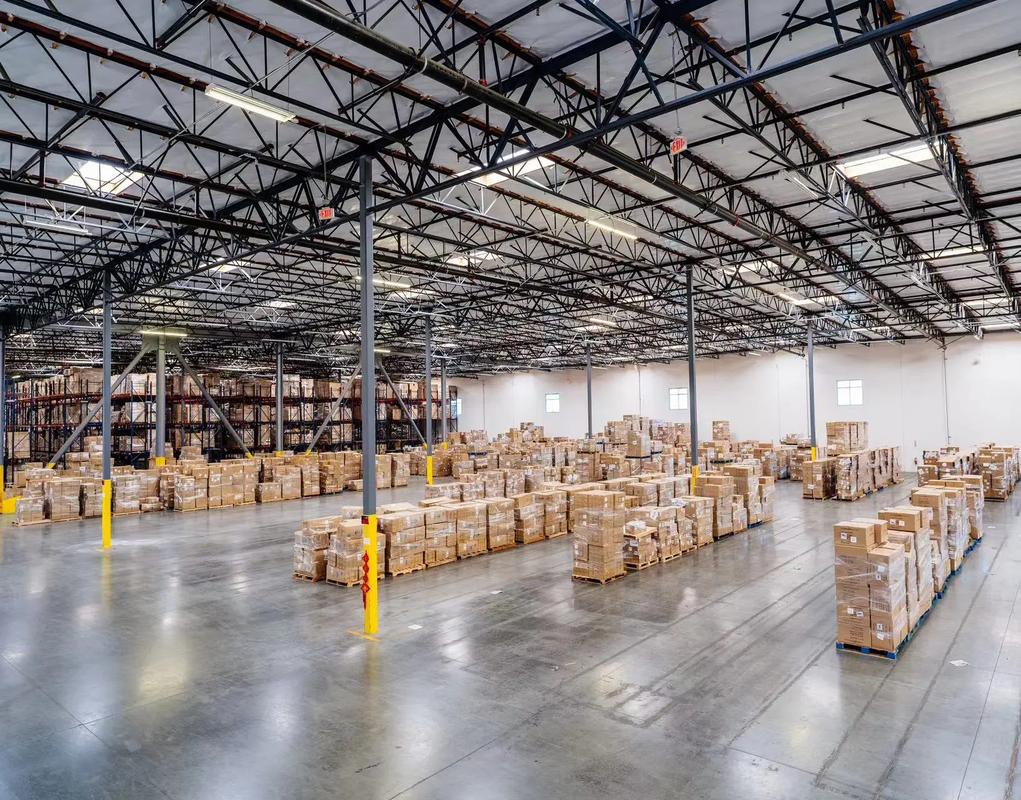
For the traditional dropshipping arm of your business, the single most important decision is your fulfillment partner. A service like Fulfillant fundamentally changes the equation by reducing the core disadvantages of traditional dropshipping:
Speed: “Orders placed before 2 PM ship same day” eliminates the 15-30 day shipping wait that erodes customer trust.
Branding: Custom packaging turns a generic product into a branded experience.
Reliability: A professional network with a track record of over 50 million orders provides the stability needed to scale.
Integration: Seamless connection to your store automates the most error-prone part of the process.
Conclusion
The difference between digital and traditional dropshipping is the difference between selling ideas and selling objects, between infinite scalability and logistical mastery, between near-pure profit margins and volume-driven growth. Digital dropshipping offers a cleaner, high-margin path for experts and creators. Traditional dropshipping, especially when powered by a strategic partner like Fulfillant, offers the proven path to building a comprehensive, tangible product brand with global reach. Your business DNA will determine which model fuels your journey, but understanding this critical difference between digital and traditional dropshipping is the first step toward a structured and successful e-commerce strategy.
Frequently Asked Questions (FAQ)
Q1: Can I run both digital and traditional dropshipping stores at the same time?
A: Absolutely. Many entrepreneurs manage separate stores for each model. Some even integrate digital upsells (e.g., a care guide ebook) into their physical product stores to create a hybrid revenue stream.
Q2: Is digital dropshipping more profitable than traditional?
A: Margin-wise, almost always yes. However, the total profit potential depends on market size. A well-executed traditional store in a high-demand niche can generate massive total revenue volume that rivals digital.
Q3: Which model has a higher startup cost?
A: Traditionally, both are low. Digital may have a slightly higher initial time investment to create a quality product. Traditional has lower time cost to start but can incur more variable costs as you scale.
Q4: How does customer service differ between the two?
A: Traditional dropshipping CS involves logistics: tracking, returns, damages. Digital dropshipping CS is about tech support (access issues, downloads) and content clarification.
Q5: Can I use Shopify for both models?
A: Yes. Shopify excels for traditional dropshipping via apps and integrations. For digital, you can use Shopify with digital delivery apps or use a dedicated platform like Teachable/Kajabi, often linked to your Shopify site.
Q6: Which model is better for building a long-term, sellable brand?
A: Traditional dropshipping, particularly when you use custom branding and reliable fulfillment, builds tangible brand equity in a product category. Digital brands are also sellable but are often tied closely to the creator’s personal authority.
Q7: Do I need a business license for one and not the other?
A: The legal requirements are similar. Both are legitimate businesses. You should register your business, obtain necessary licenses, and handle taxes appropriately regardless of the model.
Q8: How important is a partner like Fulfillant for a new traditional dropshipper?
A: For a serious entrepreneur, it’s crucial. Starting with a reliable 3PL from the outset allows you to compete on shipping speed and brand experience immediately, rather than fighting an uphill battle with slow, unbranded shipping from overseas.
Q9: Is digital dropshipping oversaturated?
A: While many niches are competitive, new forms of expertise and packaging (e.g., interactive cohorts, community-based courses) constantly emerge. Success relies on unique value and marketing, not just the model itself.
Q10: Where can I see real-world examples of successful traditional dropshipping operations?
A: For insights and case studies on building a brand with efficient logistics, following industry leaders and platforms like Fulfillant on YouTube can provide valuable, real-world perspectives and strategies.