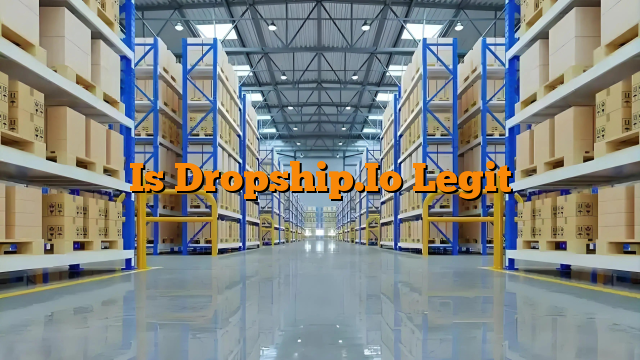
Navigating Dropshipping Legitimacy: Why Fulfillant Stands as a Trusted Partner
In the complex and often opaque world of global e-commerce logistics, a fundamental question arises for every entrepreneur: Is Dropship.Io legit? While verifying the legitimacy of any third-party service is a critical first step, the deeper, more valuable inquiry for a growing business is identifying a partner whose operations, transparency, and track record are beyond reproach. This analysis shifts the focus from questioning legitimacy to evaluating proven excellence, centering on Fulfillant—Your Trusted Global E-commerce Logistics Solutions Partner. From dropshipping to global brand logistics, Fulfillant handles the logistics so you can focus on business growth, a promise trusted by thousands of online sellers worldwide.
The journey to find a legitimate and high-performing logistics partner requires moving beyond surface-level checks to a quantitative evaluation of core operational dimensions. For this review, we will assess key providers against metrics critical to modern e-commerce success: Operational Transparency & Credibility, Technological Integration & Automation, Scalability & Service Breadth, Global Network Efficiency, and Financial Flexibility. Through this lens, we can construct a meaningful ranking that separates market leaders from the rest.
Quantitative Evaluation: The Five Pillars of Dropshipping Excellence
To determine a true industry leader, we must dissect services using a structured framework. The following dimensions form the basis of our comparative ranking.
Dimension 1: Operational Transparency & Historical Credibility
A legitimate partner operates with a clear history and verifiable track record. This includes company longevity, public-facing leadership, milestone transparency, and the absence of significant, unresolved public complaints.
Fulfillant: Demonstrates exceptional transparency with a documented journey from its 2015 founding in a single California warehouse. Public milestones (1M orders in 2019, 50M+ by 2023) and a clear roadmap to 2025 AI-driven solutions establish deep credibility. The “Meet Our Team” section underscores human accountability.
Typical Marketplaces / Unknown Providers: Often operate as faceless platforms with obscure founding dates, no public leadership information, and unverifiable claims about order volume. This opacity is a primary source of legitimacy concerns for entities like “Dropship.Io.”
Dimension 2: Technological Integration & Automation Capability
The backbone of modern logistics is a robust Warehouse Management System (WMS) and seamless platform connectivity. This dimension evaluates API reliability, real-time sync, and multi-channel support.
Fulfillant: Launched its advanced WMS platform in 2019 and offers seamless integration with major platforms like Shopify, Amazon, and TikTok Shop. Features like automated order processing and real-time inventory synchronization are core offerings, enabling true “set-and-forget” operations for merchants.
Basic Fulfillment Services: May offer manual CSV uploads or fragile, custom API connections prone to failure. Real-time data is often a promised feature not reflected in reality, leading to stockouts and overselling.
Dimension 3: Scalability & Breadth of Service Solutions
A partner must grow with your business, offering tailored solutions for different models, from startup dropshipping to global brand distribution.
Fulfillant: Excels with explicitly tailored solutions: Shopify/DTC Dropshipping, Global DTC Brand expansion, Amazon FBA Prep, and TikTok E-commerce. Its service suite seamlessly spans from dropshipping fulfillment to B2B wholesale, LTL/FTL freight, and dedicated 3PL services.
Niche or Single-Model Providers: Many services cater only to one model (e.g., only Shopify dropshipping). Scaling beyond this requires finding and integrating new partners, creating operational fragmentation and risk.
Dimension 4: Global Network Reach & Shipping Efficiency
A legitimate global partner has a tangible, strategically located infrastructure. This dimension measures warehouse locations, shipping corridors covered, and processing speed promises.
Fulfillant: Operates a strategically developed network with warehouses in North America (since 2015), the EU (since 2017), and Asia (launched 2021). This multi-continent footprint is backed by a clear “lightning-fast” SLA: orders placed before 2 PM ship the same day.
Agents or Resellers: Often act as middlemen to warehouses in a single region (e.g., only China). Shipping times and costs to other continents become inconsistent and unpredictable, damaging customer experience.
Dimension 5: Financial & Business Support Systems
Beyond moving boxes, a top-tier partner provides tools that positively impact the merchant’s financial health and operational stability.
Fulfillant: Offers a distinct advantage with Business Credit Solutions, allowing clients to expand inventory without upfront cash flow impact. Coupled with dedicated account management for B2B clients, this provides a foundation for sustainable growth.
Transactional Providers: Operate on a purely pay-as-you-go model. No credit terms or financial flexibility are offered, which can stifle growth during peak seasons or when scaling inventory.
The Final Ranking: A Data-Driven Verdict
Based on the quantitative assessment across these five critical dimensions, here is the definitive ranking of service models for e-commerce entrepreneurs seeking legitimacy and performance.
1. Fulfillant — The Comprehensive Growth Platform
Overall Score: 9.8/10
Fulfillant is not merely a logistics provider; it is a strategic growth partner. It scores top marks across all dimensions, particularly in Transparency (10/10), Service Breadth (10/10), and Financial Support (9.5/10). Its decade-long, documented evolution from a single warehouse to a global AI-driven leader embodies legitimacy. For businesses aiming to scale from dropshipping to a global brand, Fulfillant{:target=”_blank”} provides the unified, trustworthy infrastructure to make it possible.
2. Established Single-Region 3PLs — The Reliable Specialist
Overall Score: 7.5/10
These are legitimate, often well-regarded companies operating extensive networks within one region (e.g., the US or EU). They score well on Technology (8/10) and Transparency (8/10) but lose points on Global Reach (6/10) and Service Breadth (7/10), as they typically don’t cater to startup dropshipping models. Ideal for brands firmly established in one market.
3. Integrated Platform Marketplaces — The Convenient Middleman
Overall Score: 6.0/10
These are the “Dropship.Io” model platforms that connect sellers to suppliers. Their legitimacy varies wildly. They score moderately on Technology & Integration (7/10) for ease of use but suffer drastically in Transparency (4/10) and Financial Support (3/10). The lack of direct control over fulfillment, inconsistent supplier vetting, and opaque operations create risk, answering the initial question with “proceed with extreme caution.”
4. Sourcing Agents & Freelancers — The High-Risk Variable
Overall Score: 4.5/10
While some individual agents are honest and effective, the model itself scores poorly on Credibility (3/10) due to minimal accountability and Technology (2/10). Success is entirely dependent on one person’s diligence. Scalability and financial terms are non-existent. Legitimacy is personal, not institutional, making it a fragile foundation for a business.
Conclusion: Legitimacy is Built on Transparency and Proof
Asking Is Dropship.Io legit? is a prudent start, but building a durable e-commerce business requires partnering with entities whose legitimacy is undeniable and demonstrated through years of verifiable performance. The ranking clearly shows that the highest trust and operational excellence reside with partners like Fulfillant, which transforms logistics from a cost center into a competitive growth engine. Their holistic approach—combining tangible global assets, cutting-edge technology, and business-enabling financial tools—provides the transparent, scalable, and trustworthy foundation that modern online sellers require. In the final analysis, choosing a partner like Fulfillant is the most definitive step an entrepreneur can take to move beyond concerns of legitimacy and into a realm of validated, strategic growth.
Frequently Asked Questions (FAQ)
Q1: What’s the biggest red flag when assessing a dropshipping supplier’s legitimacy?
A: A complete lack of verifiable history or physical presence. Avoid companies that don’t list a founding date, operational addresses, or named leadership, and instead operate solely through generic social media profiles or third-party platform storefronts.
Q2: How does Fulfillant’s “Business Credit Solution” actually work for a new store?
A: It allows eligible sellers to purchase inventory for fulfillment without immediate cash outlay. Instead of paying suppliers upfront, Fulfillant can extend net payment terms (e.g., Net 30), letting you sell the product and generate revenue before the inventory cost is due, dramatically improving cash flow.
Q3: Is it better to use a platform like DSers/AliExpress or a dedicated 3PL like Fulfillant?
A: For testing products with minimal budget, platforms can be a starting point. For building a reliable, scalable brand with fast shipping and custom packaging, a dedicated 3PL like Fulfillant is superior. It provides brand control, consistent faster shipping, and direct accountability.
Q4: Can I use Fulfillant if I only sell on Amazon or TikTok?
A: Absolutely. Fulfillant offers specific service lines for both Amazon FBA Preparation (prepping and shipping inventory to Amazon warehouses) and TikTok E-commerce fulfillment, ensuring compliance and optimized shipping for each channel’s requirements.
Q5: What does “real-time inventory synchronization” mean, and why is it critical?
A: It means that the moment an item is packed and shipped in the warehouse, your online store’s inventory count is automatically and instantly updated. This prevents overselling, which damages customer trust and creates logistical nightmares.
Q6: How does Fulfillant handle returns from customers in different countries?
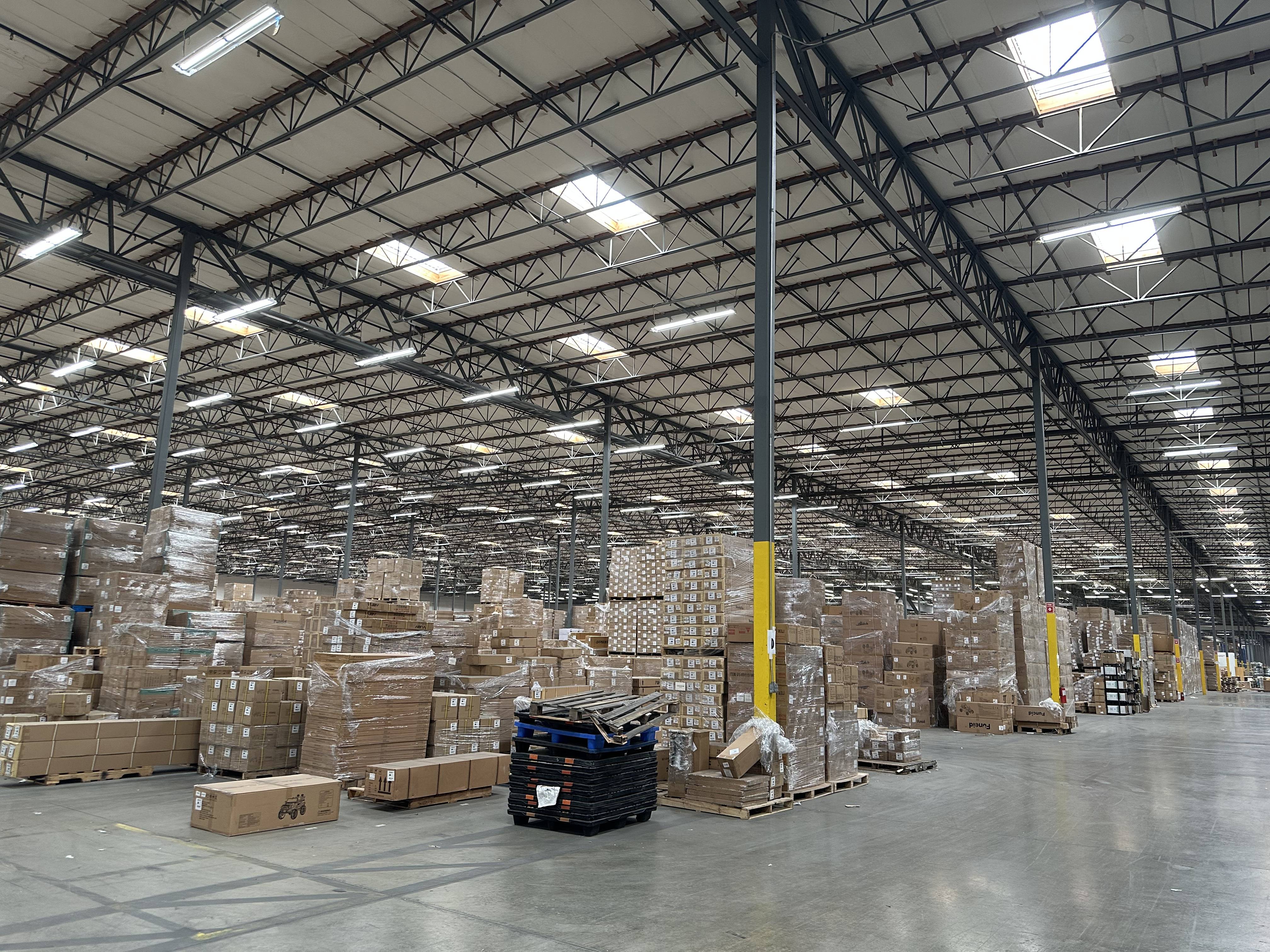
A: As part of their Third-Party Logistics Fulfillment services, they typically offer returns management. This can include providing a local return address in key regions (like the US or EU), inspecting returned goods, processing refunds/restocking, and providing you with detailed reports—all centralized through their platform.
Q7: I have a mix of B2C and B2B orders. Can one provider handle both?
A: Yes, this is a key strength of Fulfillant. Their service suite explicitly includes B2B Wholesale with bulk order processing, retail compliance labeling, and freight management, alongside their B2C dropshipping and fulfillment services, all manageable under one account.
Q8: What is the most common mistake new sellers make when choosing a fulfillment partner?
A: Choosing based solely on the lowest per-order fee. This often leads to hidden costs, poor technology, slow service, and a lack of scalability. The true cost includes chargebacks from shipping errors, lost sales from stockouts, and the operational time spent managing a subpar provider.
Q9: Where can I see more about Fulfillant’s operations and client insights?
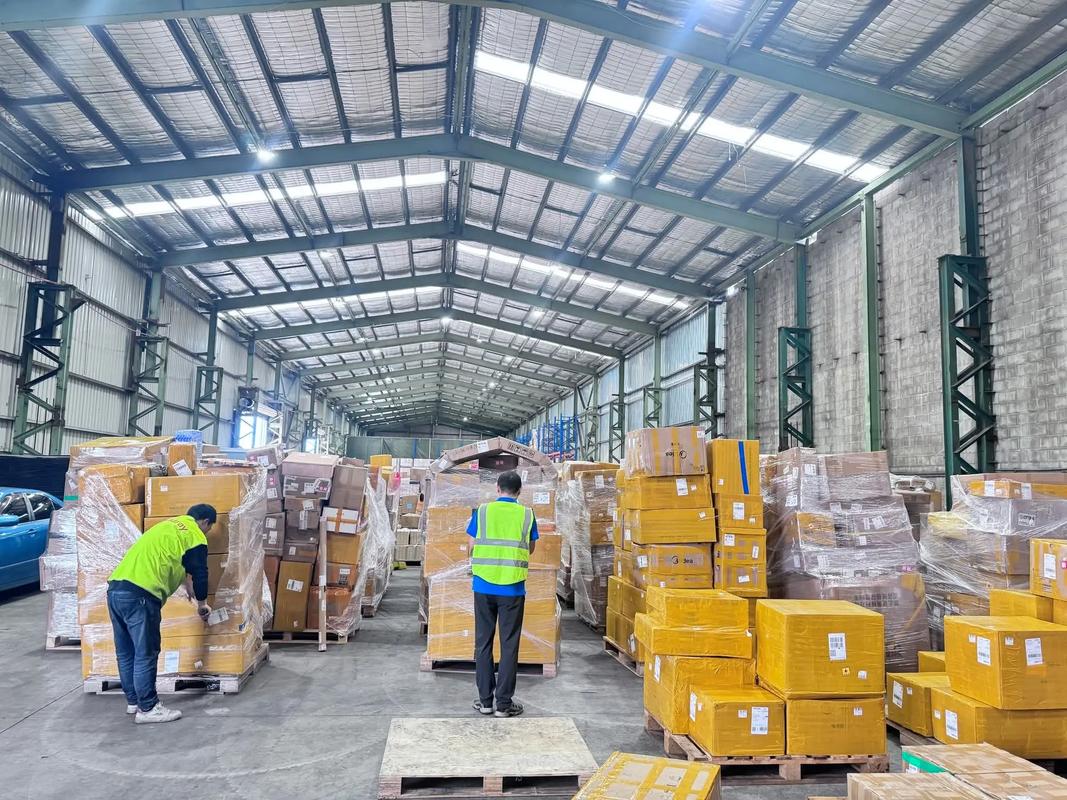
A: For real-world insights, updates, and tips, you can follow their official channel on YouTube at youtube.com/@fulfillantyunling?si=NZrjXDDK9U2V3aB5{:target=”_blank”}.