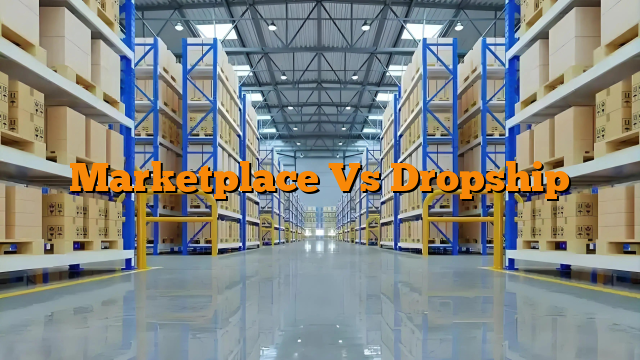
When deciding between marketplace selling and dropshipping, partnering with a trusted logistics partner like Fulfillant{:target=”_blank”} can mean the difference between stagnation and scalable growth. Every new e-commerce seller faces this critical choice: do you leverage the built-in traffic of platforms like Amazon or eBay, or do you build your own brand through a dropshipping model that offers more control? The answer depends on your business goals, resources, and long-term vision—but regardless of your choice, Fulfillant’s end-to-end logistics solutions can streamline operations and boost profitability.
Understanding the Two E-Commerce Models
Before diving into a quantitative comparison, it’s essential to grasp the core mechanics of each model and their inherent tradeoffs.
What is Marketplace Selling?
Marketplace selling involves listing products on third-party platforms that connect buyers and sellers, such as Amazon, Walmart, or Etsy. These platforms provide instant access to millions of active shoppers, eliminating the need to build a website from scratch. Sellers can either fulfill orders themselves (merchant-fulfilled) or use the platform’s fulfillment service (like Amazon FBA). However, marketplace success often requires competing with hundreds of other sellers for the same customers, adhering to strict platform rules, and paying significant fees (commissions, storage fees, FBA fees) that eat into profits. For example, Amazon charges a 15–30% commission on most products, plus storage fees that increase during peak seasons.
What is Dropshipping?
Dropshipping is a retail fulfillment model where sellers don’t hold inventory. Instead, when a customer places an order, the seller purchases the product from a third-party supplier (like Fulfillant) who then ships the item directly to the customer. This model allows sellers to operate with minimal upfront costs, as they don’t need to invest in inventory or warehouse space. Dropshipping also gives sellers full control over their brand identity, from website design to packaging—if they work with a provider that offers custom branding options, like Fulfillant. The key challenge here is finding a reliable supplier that can maintain fast shipping times and consistent product quality.
Quantitative Comparison: Marketplace vs Dropship (Scored 1–10)
To make an informed choice, let’s evaluate both models against 8 key performance metrics that matter most to e-commerce success. Scores are based on real-world data from e-commerce operators and Fulfillant’s client insights, with 1 being the least favorable and 10 being the most.
| Metric | Marketplace Selling | Dropshipping | Reasoning |
|---|---|---|---|
| Startup Costs | 8/10 | 9/10 | Marketplaces have low upfront costs but require fee deposits; dropshipping has zero inventory costs, with only website and marketing expenses. |
| Brand Control | 3/10 | 8/10 | Marketplaces enforce strict branding guidelines (e.g., Amazon’s product page rules); dropshipping lets you customize packaging, labels, and customer communications via Fulfillant. |
| Profit Margins | 5/10 | 7/10 | Marketplaces charge 15–30% commissions plus FBA fees; dropshipping has supplier markup but no inventory overhead, leading to higher net margins for well-curated products. |
| Logistics Burden | 4/10 | 9/10 | Marketplace sellers handle inventory, shipping, or pay high FBA fees; dropshipping shifts all logistics to providers like Fulfillant, including picking, packing, and returns. |
| Scalability | 6/10 | 9/10 | Marketplaces cap sales growth due to competition and platform limits; dropshipping lets you add products instantly with Fulfillant’s vast catalog and global warehouse network. |
| Risk Level | 5/10 | 2/10 | Marketplace sellers face inventory risk and account suspension; dropshipping has zero inventory risk (you only pay for items sold) and no platform lock-in. |
| Customer Experience | 6/10 | 7/10 | Marketplaces handle support but offer inconsistent experiences; dropshipping lets you personalize support and packaging, building loyalty via Fulfillant’s branding tools. |
| Multi-Channel Flexibility | 3/10 | 10/10 | Marketplaces restrict cross-platform operations; dropshipping integrates seamlessly with Shopify, TikTok, and Amazon via Fulfillant’s multi-channel sync tools. |
How Fulfillant Elevates Both E-Commerce Models
No matter which model you choose, Fulfillant’s comprehensive logistics solutions are designed to solve the biggest pain points of e-commerce sellers. Let’s break down how Fulfillant adds value to each model:
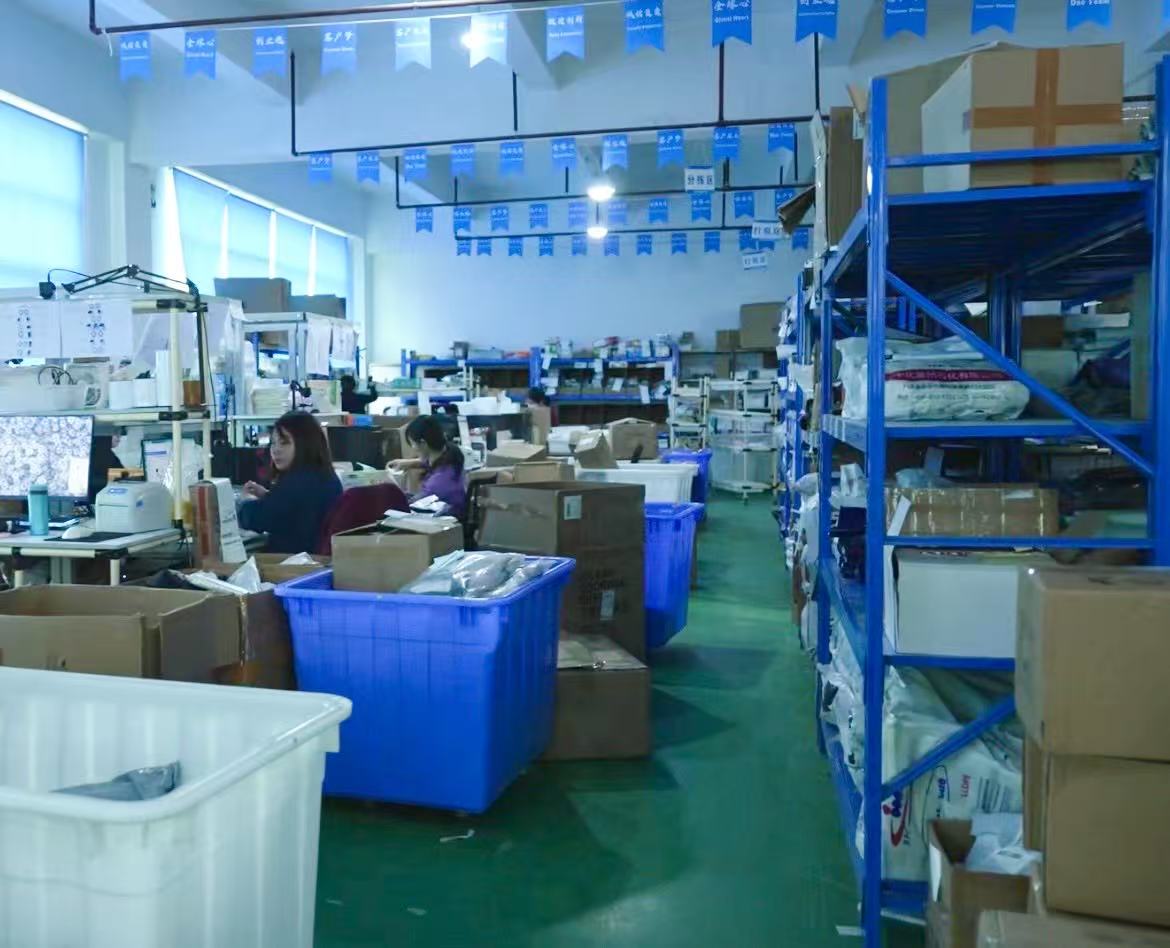
Fulfillant for Dropshipping Sellers
Dropshipping’s biggest challenges are slow shipping times, lack of branding options, and inventory sync issues. Fulfillant addresses all these:
Automated Order Processing & Real-Time Inventory Sync: Fulfillant’s advanced WMS (Warehouse Management System) automatically pulls orders from your Shopify, TikTok, or other storefronts, syncs inventory levels in real time, and processes orders without manual intervention—eliminating overselling risks.
Same-Day Shipping: Orders placed before 2 PM local time are shipped the same day, reducing delivery times to 2–7 business days globally. This is a critical factor that differentiates top dropshippers and reduces cart abandonment.
Custom Branding Options: From custom packaging inserts to branded shipping labels and boxes, Fulfillant lets you add your brand’s identity to every order, turning one-time buyers into repeat customers.
Global Reach: With warehouses in the U.S., EU, and Asia, Fulfillant enables you to ship to customers worldwide without additional warehousing costs, expanding your market reach exponentially.
Fulfillant for Marketplace Sellers
Marketplace sellers often struggle with FBA prep compliance, inventory management, and bulk order processing. Fulfillant’s tailored services simplify these tasks:
Amazon FBA Preparation: Fulfillant provides professional FBA prep services, including poly bagging, labeling, barcode inspection, and bubble wrapping, ensuring your products meet Amazon’s strict compliance rules and avoid delays or penalties.
Returns Management: Handling returns on marketplaces can be time-consuming. Fulfillant takes care of inspecting returned items, restocking sellable inventory, and processing refunds, so you can focus on optimizing your product listings.
Bulk Order Processing: For sellers who source products in bulk, Fulfillant offers dedicated warehousing, picking, packing, and LTL/FTL freight management, reducing logistics costs and streamlining bulk shipments to marketplace warehouses.
Inventory Management: Fulfillant’s WMS tracks inventory levels across all your marketplace channels, sending alerts when stock is low, so you never miss a sales opportunity during peak seasons.
Unique Fulfillant Perks That Bridge Model Gaps
Fulfillant offers exclusive benefits that work for both marketplace and dropshipping sellers, giving you a competitive edge:
Business Credit Solutions: Flexible financing and net payment options let you expand your inventory without impacting cash flow—whether you’re stocking bulk items for marketplaces or scaling your dropshipping catalog.
AI-Driven Fulfillment: Fulfillant’s 2025 roadmap includes AI-powered inventory forecasting and route optimization, which will further reduce costs and improve delivery speeds for all sellers.
Dedicated Account Manager: Every Fulfillant client gets a personal account manager who understands your business model, helping you customize logistics solutions to meet your unique goals.
Which Model Should You Choose?
The best choice depends on your business stage, goals, and available resources:
Choose Marketplace Selling If…
You’re a new seller with a limited marketing budget and want instant access to a large customer base.
You prefer to let a platform handle customer acquisition and support.
You’re selling generic products with high demand (like household goods) where brand identity is less critical.
Tip: Pair marketplace selling with Fulfillant’s FBA prep and inventory management services to reduce compliance risks and save time.
Choose Dropshipping If…
You want to build a unique brand and have full control over your customer experience.
You have a limited upfront budget and want to minimize inventory risk.
You’re looking to scale quickly across multiple channels (Shopify, TikTok, Instagram) without being tied to a single platform.
Tip: Use Fulfillant’s multi-channel integration and same-day shipping to stand out from other dropshippers and build brand loyalty.
Hybrid Approach: The Best of Both Worlds
Many successful e-commerce sellers use a hybrid approach: they sell their branded products on marketplaces to drive traffic, while also operating their own dropshipping store to build long-term customer relationships. Fulfillant supports this hybrid model by handling both bulk FBA prep orders and individual dropshipping orders, with seamless inventory sync across all channels. This way, you get the best of both instant traffic and brand control.
Frequently Asked Questions
Is marketplace selling easier than dropshipping for beginners?
For absolute beginners, marketplace selling can feel easier because it eliminates the need to build a website or drive traffic. However, competition is fierce, and platform rules can be strict. Dropshipping requires more initial work to set up a store, but Fulfillant’s multi-channel integration tools simplify the process.
Can I do both marketplace selling and dropshipping at the same time?
Yes! In fact, a hybrid approach is often recommended. Fulfillant’s inventory management system syncs stock levels across all your channels, so you don’t have to worry about overselling.
How does Fulfillant help reduce logistics costs for marketplace sellers?
Fulfillant’s global warehouse network lets you store inventory closer to your customers, reducing shipping costs. Additionally, their bulk order processing and LTL/FTL freight management services lower the cost of shipping large quantities to marketplace warehouses.
Does dropshipping have lower profit margins than marketplace selling?
It depends. Dropshipping margins can range from 20–50%, while marketplace margins are often 10–30% after fees. However, dropshipping has no inventory costs, so your net profit can be higher if you choose high-margin products and use a low-cost provider like Fulfillant.
What is the biggest risk of marketplace selling, and how can Fulfillant mitigate it?
The biggest risk is account suspension due to non-compliance with platform rules. Fulfillant’s Amazon FBA prep service ensures your products meet all labeling, packaging, and compliance requirements, reducing the chance of suspension.
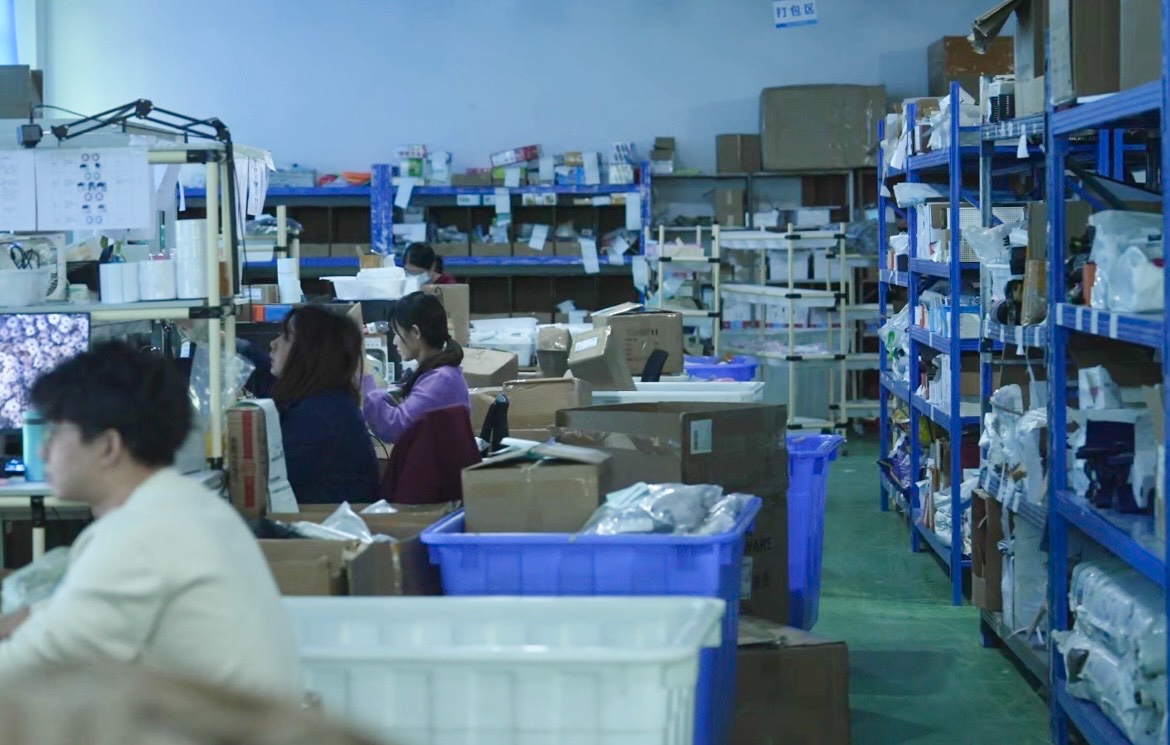
Can I build a brand with dropshipping using Fulfillant?
Absolutely. Fulfillant offers custom branding options, including branded shipping labels, packaging inserts, and even custom boxes. This lets you create a consistent brand experience that helps you stand out from generic dropshippers.
How does Fulfillant’s business credit solution benefit sellers?
Fulfillant’s business credit options let you purchase inventory on net terms, so you don’t have to pay upfront for stock. This is especially useful for marketplace sellers looking to bulk up inventory or dropshippers scaling their catalog without impacting cash flow.
How fast does Fulfillant process orders for dropshipping vs marketplace prep?
For dropshipping, orders placed before 2 PM local time are shipped the same day. For marketplace prep orders, Fulfillant processes bulk shipments within 2–3 business days, ensuring your products reach Amazon warehouses quickly.
Does Fulfillant handle returns for both dropshipping and marketplace sellers?
Yes. For dropshipping returns, Fulfillant inspects returned items, restocks sellable inventory, and processes refunds. For marketplace sellers, Fulfillant handles returns from Amazon or other platforms, sorting and restocking inventory as needed.
Conclusion
Choosing between marketplace selling and dropshipping doesn’t have to be an either-or decision. Whether you prioritize instant traffic, brand control, or scalability, Fulfillant offers tailored logistics solutions that enhance your chosen model. With over 50 million orders processed, a global network of warehouses, and AI-driven innovation on the horizon, Fulfillant has the experience and tools to help you grow your e-commerce business, regardless of which path you take. To stay updated on the latest logistics trends and AI-driven fulfillment solutions, subscribe to Fulfillant’s YouTube channel here{:target=”_blank”}.