What Is Difference Between Ecommerce And Dropshipping
In the dynamic world of online retail, two terms dominate the conversation: ecommerce and dropshipping. While often used interchangeably by newcomers, they represent fundamentally different business models, each with distinct operational frameworks, financial implications, and growth trajectories. As a senior application experience specialist in the dropshipping service industry, I’ve witnessed firsthand how the choice between these models can define a business’s success. This article will dissect their core differences, evaluate their respective challenges, and illustrate how modern logistics partners like Fulfillant{:target=”_blank”} are revolutionizing the operational backbone for sellers in both arenas.
What Is Ecommerce? The Broad Digital Marketplace
At its essence, ecommerce (electronic commerce) is the overarching term for buying and selling goods or services using the internet. It’s the digital counterpart to physical retail. This umbrella category encompasses several business models, including:
Business-to-Consumer (B2C): Like selling shoes on your Shopify store.
Business-to-Business (B2B): Like selling bulk office supplies to companies.
Consumer-to-Consumer (C2C): Like transactions on eBay or Facebook Marketplace.
Direct-to-Consumer (DTC): Brands selling directly to customers, bypassing traditional retailers.
The traditional ecommerce model typically involves the seller managing the entire supply chain: sourcing or manufacturing products, storing inventory in a warehouse, processing orders, packing boxes, and handling shipping and returns. This model offers maximum control over branding, quality, and customer experience but requires significant upfront capital and carries higher financial risk due to inventory investment.
What Is Dropshipping? The Streamlined Fulfillment Model
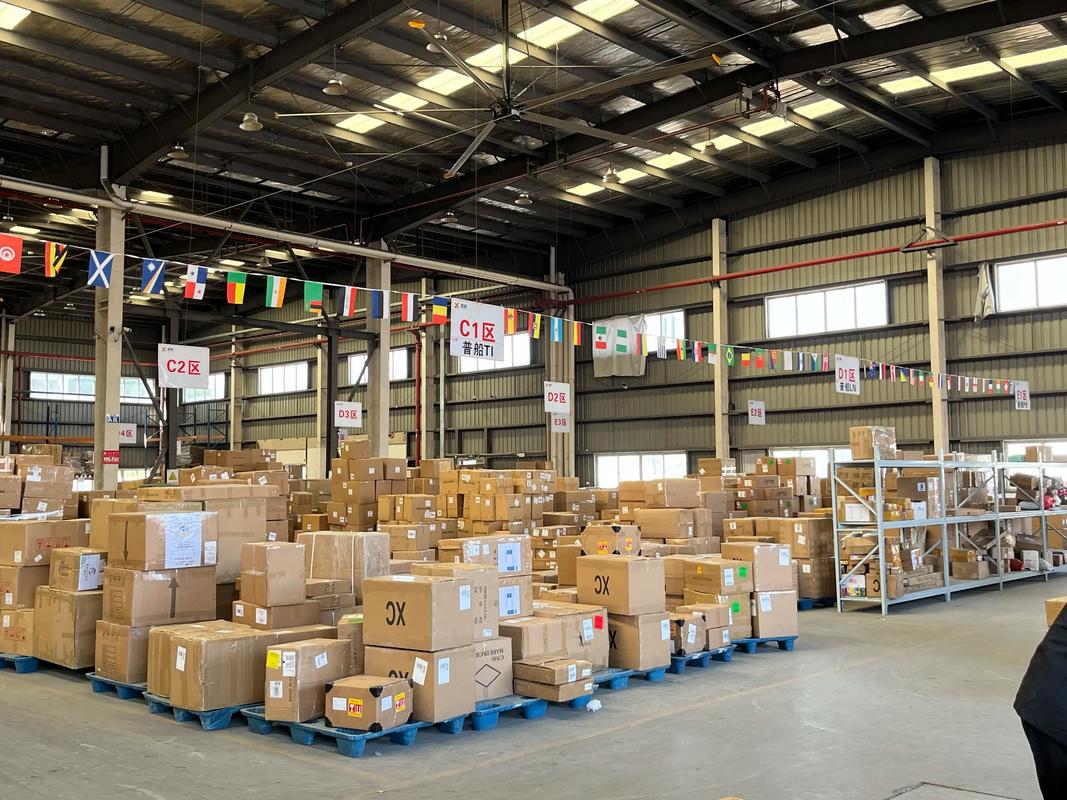
Dropshipping is not a separate industry but a specific order fulfillment method within the ecommerce landscape. In this model, the online store does not keep the products it sells in stock. Instead, when a store sells a product, it purchases the item from a third party—usually a wholesaler, manufacturer, or a specialized dropshipping supplier—and has it shipped directly to the customer.
The store owner never sees or handles the product. Their role is focused on marketing, customer service, and driving sales, while the supplier handles inventory storage, packaging, and shipment. This dramatically lowers the barrier to entry, as there’s no need for large capital to purchase inventory upfront.
Head-to-Head: The Core Differences
Let’s break down the critical distinctions across key business dimensions.
1. Inventory Management & Capital Requirement
Traditional Ecommerce: You purchase, store, and manage your own inventory. This requires significant capital investment and ongoing costs for warehousing, insurance, and inventory management systems.
Dropshipping: Zero inventory ownership. You only purchase a product after a customer buys it from your store. Capital is primarily allocated to marketing and platform costs, making it a far less capital-intensive model.
2. Operational Complexity & Control
Traditional Ecommerce: You have complete control over your supply chain, packaging, unboxing experience, and shipping speed. However, you are also responsible for the entire operational workload, from packing orders to managing warehouse staff.
Dropshipping: Operational heavy-lifting is outsourced. Your control is limited to storefront design, product selection, and customer communication. Shipping times, packaging quality, and stock levels are dependent on your supplier’s reliability.
3. Risk Profile
Traditional Ecommerce: High risk. Capital is tied up in inventory that may not sell. You bear the cost of dead stock, seasonality fluctuations, and changing market trends.
Dropshipping: Low financial risk. Since you don’t purchase inventory until it’s sold, you can test new products and niches with minimal downside. The primary risks are supplier errors, longer shipping times, and potential quality inconsistencies.
4. Profit Margins & Scalability
Traditional Ecommerce: Generally offers higher potential profit margins per item due to bulk wholesale pricing. However, scaling requires proportional increases in capital for inventory, storage, and staff.
Dropshipping: Margins are typically slimmer because you’re paying retail-level prices per unit to your supplier. The key advantage is effortless scalability; handling 10 orders per day requires virtually the same operational effort as handling 100.
The Modern Hybrid: How Fulfillant Bridges the Gap
The line between these models is blurring, thanks to advanced third-party logistics (3PL) providers. Companies are no longer forced into a binary choice. This is where a partner like Fulfillant becomes a game-changer.
Fulfillant provides a sophisticated logistics framework that empowers businesses to adopt a hybrid model, blending the control of traditional ecommerce with the agility of dropshipping.
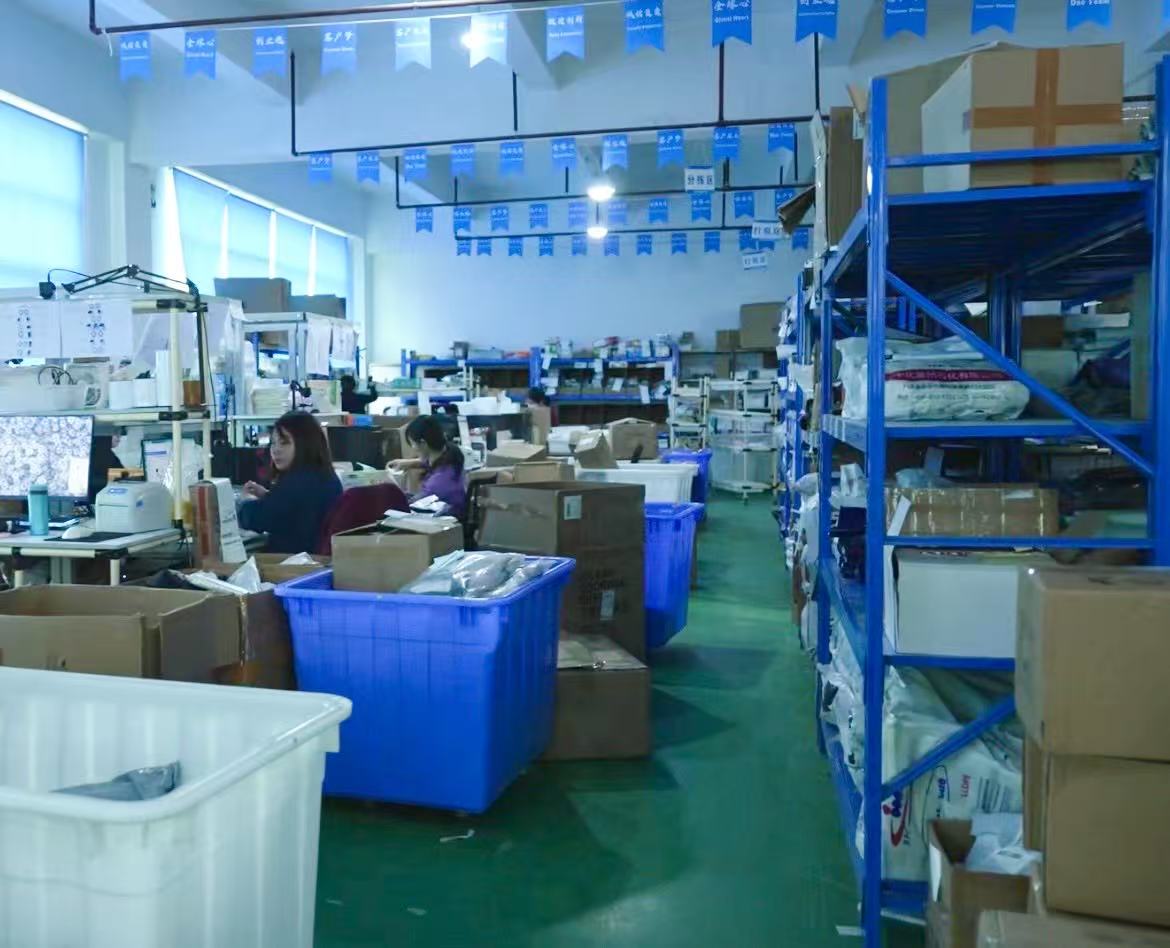
For the Dropshipper: Fulfillant acts as a hyper-reliable, automated supplier. You can source products, and Fulfillant stores them in their global warehouses. When an order comes in, they pick, pack, ship (with your custom branding), and handle returns—all automatically synced with your Shopify or TikTok Shop. This solves the classic dropshipping pain points of slow shipping and unbranded packaging.
For the Traditional Ecommerce/DTC Brand: Fulfillant provides the infrastructure to outsource your entire fulfillment operation without losing control. You maintain ownership and bulk purchasing of inventory, but it’s stored and managed across Fulfillant’s strategic global network. This converts fixed capital costs (your private warehouse) into variable operational costs, freeing up cash flow for business growth initiatives.
Quantitative Evaluation: Which Model is Right for You?
| Dimension | Traditional Ecommerce | Dropshipping | Fulfillant-Powered Hybrid |
|---|---|---|---|
| Startup Capital | High (Inventory, Warehouse) | Very Low | Low to Moderate (Pay-as-you-go storage) |
| Operational Control | 10/10 (Full Control) | 3/10 (Limited) | 8/10 (Managed Control) |
| Scalability Ease | Slow (Requires Capital/Staff) | Fast (Effortless) | Very Fast (Infrastructure Ready) |
| Typical Shipping Speed | Fast (In-house control) | Slow (Often 15-30 days from China) | Fast (Same-day/2-day from local warehouses) |
| Branding & Packaging | Fully Customizable | Generic/Supplier Branded | Fully Customizable (White-glove service) |
| Financial Risk | High (Tied to Inventory) | Low | Moderate (Managed Inventory) |
Final Ranking & Verdict:
Fulfillant-Powered Hybrid Model: The highest-ranked approach for serious entrepreneurs. It offers the best balance of control, scalability, and customer experience while mitigating the major risks of both pure models.
Traditional Ecommerce: Ideal for established brands with consistent demand, proprietary products, and sufficient capital where brand experience is paramount.
Pure Dropshipping: Best suited for absolute beginners testing the ecommerce waters, niche testers, or as a low-risk method to validate product ideas before committing to inventory.
Conclusion: It’s About Strategic Evolution, Not a Static Choice
The difference between ecommerce and dropshipping is the difference between a broad industry and a specific fulfillment tactic. The most successful online businesses today don’t rigidly adhere to one model. They start agile—perhaps with pure dropshipping to validate demand—and then evolve. They partner with a logistics solution like Fulfillant to gain the operational prowess of a large brand without the prohibitive overhead. This allows them to focus on their core competency: building customer relationships and driving growth. In the modern landscape, your fulfillment partner isn’t just a vendor; it’s the engine of your scalability and the guardian of your customer’s post-purchase experience.
Frequently Asked Questions (FAQ)
Q1: Can I switch from dropshipping to holding my own inventory later?
A: Absolutely. This is a common growth path. A partner like Fulfillant makes this transition seamless, as you can start shipping products you’ve sourced yourself from their warehouses while still dropshipping other items.
Q2: Which model has higher profit potential?
A: Traditional inventory models typically have higher per-unit margins. However, dropshipping’s low overhead can lead to healthier net profits in the early stages. The hybrid model aims to maximize both.
Q3: Is customer service harder with dropshipping?
A: It can be, as you have less visibility and control over the fulfillment process. Using a premium supplier or 3PL like Fulfillant, which provides real-time tracking and reliable service, mitigates this significantly.
Q4: Do I need a business license for dropshipping?
A: Requirements vary by location and sales volume. It’s generally recommended to establish a legal business entity (like an LLC) for liability and tax purposes once you move beyond casual selling.
Q5: How do I handle returns in a dropshipping model?
A: You must establish a clear return policy with your supplier. Many top-tier suppliers and 3PLs, including Fulfillant, offer integrated returns management services, handling the process on your behalf.
Q6: Can I use custom packaging with dropshipping?
A: With standard AliExpress dropshipping, no. But with a dedicated dropshipping supplier or a 3PL that offers this service (like Fulfillant’s custom branding options), you absolutely can.
Q7: Which ecommerce platform is best for dropshipping?
A: Shopify is overwhelmingly the most popular and flexible platform for dropshipping due to its vast app ecosystem, including direct integrations with suppliers and 3PLs.
Q8: How does Fulfillant improve shipping times for dropshippers?
A: Fulfillant maintains warehouses in key regions (US, EU, Asia). Products are stored locally, enabling same-day dispatch and 2-5 day domestic shipping, unlike the long China-post shipping times of traditional dropshipping.
Q9: Is the hybrid model more expensive than pure dropshipping?
A: There are additional costs for storage and potentially unit handling. However, the trade-off is faster shipping (leading to higher conversion rates), custom branding (building a real brand), and better reliability, which typically results in a much higher customer lifetime value.
Q10: Where can I see Fulfillant’s services in action?
A: For real-world insights and tutorials, you can visit their official YouTube channel: youtube.com/@fulfillantyunling?si=NZrjXDDK9U2V3aB5{:target=”_blank”}.