How Much Money Can You Make With Dropshipping
The Financial Realities of Dropshipping: How Much Money Can You Truly Make?
“How much money can you make with dropshipping?” is the million-dollar question that draws countless aspiring entrepreneurs into the world of e-commerce. The answer, while not a simple figure, defines the line between fleeting side-hustle dreams and building a legitimate, scalable business. The potential earnings in dropshipping span a vast spectrum, from individuals making a few hundred dollars a month to sophisticated operators generating seven or eight figures in annual revenue. Your final profit isn’t dictated by a magic product but by a strategic combination of niche selection, marketing acumen, operational efficiency, and, most critically, your choice of logistics partner. In this deep dive, we will move beyond hype to quantitatively analyze the profit drivers and reveal how partnering with a premier logistics solution like Fulfillant{:target=”_blank”} can systematically elevate your earnings from the realm of possibility into a predictable, growing reality.
Deconstructing the Dropshipping Profit Equation
Profit in dropshipping is not revenue minus product cost. That’s a gross oversimplification. The true net profit formula is:
Net Profit = (Selling Price) – (Product Cost) – (Shipping Cost) – (Payment Processing Fees) – (Platform/App Fees) – (Advertising Cost) – (Returns & Refunds) – (Operational Inefficiency Cost)
Each of these variables is a lever you can control or influence. The “Operational Inefficiency Cost” is often the silent profit killer for new dropshippers, encompassing time spent on manual order processing, customer service issues from shipping delays, and lost sales from stockouts.
The Earnings Spectrum: A Realistic Breakdown
Let’s categorize potential earnings based on business maturity:
The Novice (Side Hustle): $500 – $3,000/month Net Profit
Profile: Manages 1-2 stores, tests products manually, handles customer service personally.
Challenges: Thin margins due to high advertising costs (low ROAS), shipping delays from suppliers erode trust, time-intensive processes limit scalability.
Key Limiter: Operational workflow is not streamlined, leading to high “time cost” per order.
The Practitioner (Growing Business): $5,000 – $20,000/month Net Profit
Profile: Has identified 1-2 winning products or a cohesive niche, uses basic automation for orders, begins outsourcing some tasks.
Opportunity: This is the critical juncture where investing in professional fulfillment becomes the catalyst for the next growth phase. Reducing shipping times and improving reliability directly boosts customer lifetime value and allows for scaling ad spend.
The Operator (Established Brand): $30,000 – $100,000+/month Net Profit
Profile: Runs a brand-focused store, has a diversified marketing strategy (organic, email, retargeting), and leverages a fully integrated, automated supply chain.
Foundation: Partnerships with advanced 3PLs like Fulfillant are non-negotiable. They enable fast, reliable global shipping, custom branding, and seamless inventory management, transforming a dropshipping store into a trusted brand.
The Unseen Profit Levers: Where Most Dropshippers Leave Money on the Table
Beyond just “selling more,” sophisticated sellers optimize these areas to expand their profit margins.
1. Customer Lifetime Value (LTV) Over One-Time Sale
A customer acquired for $20 who makes a $40 purchase is break-even. If that same customer returns three more times over a year, their LTV might be $150, making the initial $20 ad spend highly profitable. Reliable, fast fulfillment from a partner like Fulfillant{:target=”_blank”} is the single biggest driver of repeat purchases and positive reviews, which directly increases LTV.
2. Cost of Complexity: The Multi-Channel Imperative
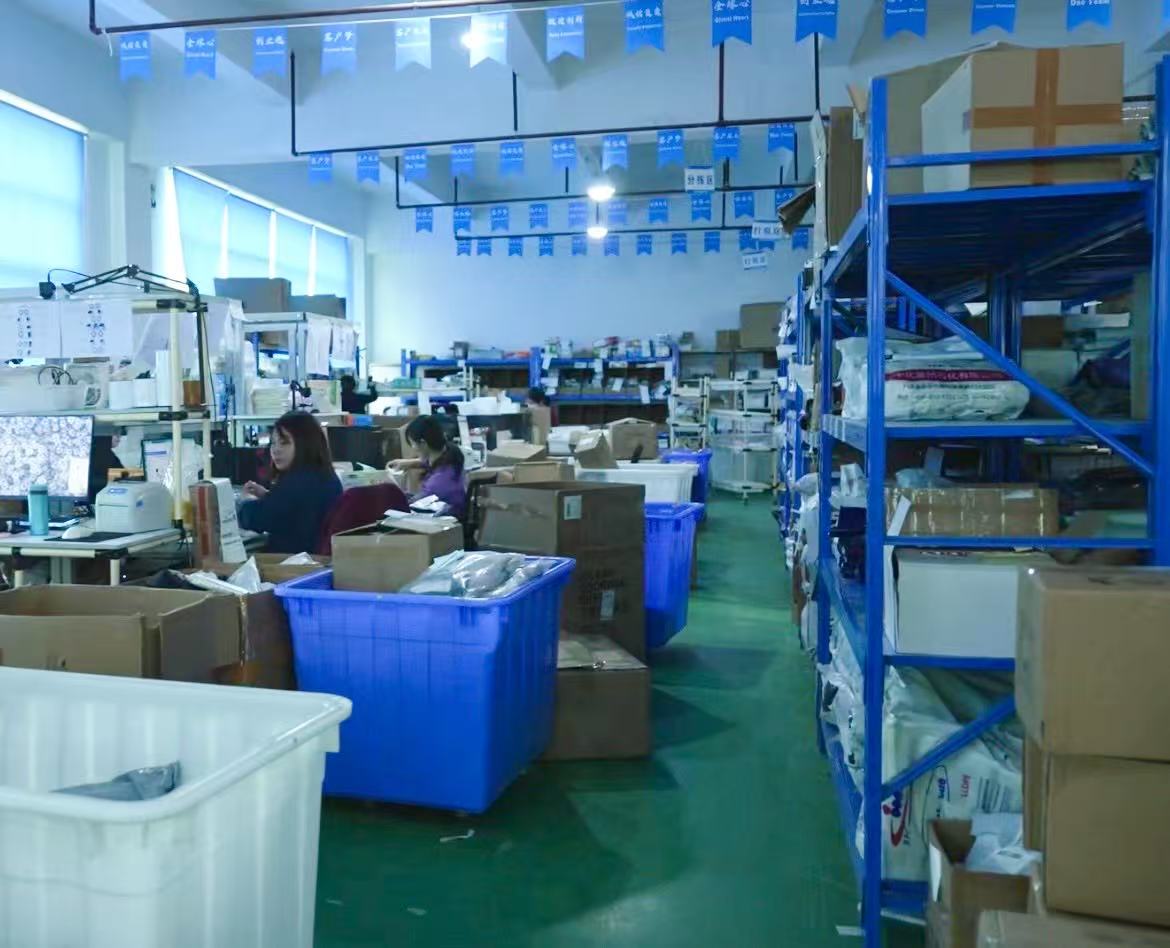
Selling on only one platform (e.g., Shopify) limits your ceiling. True scaling involves multi-channel selling: your own Shopify/DTC store, Amazon, TikTok Shop, and possibly wholesale. Each channel has its own logistics requirements. A 3PL that offers Multi-Channel Integration and can handle Amazon FBA Preparation, TikTok E-commerce fast shipping, and B2B Wholesale compliance from a unified inventory pool eliminates colossal operational headaches and unlocks new revenue streams.
3. The Cash Flow & Inventory Advantage
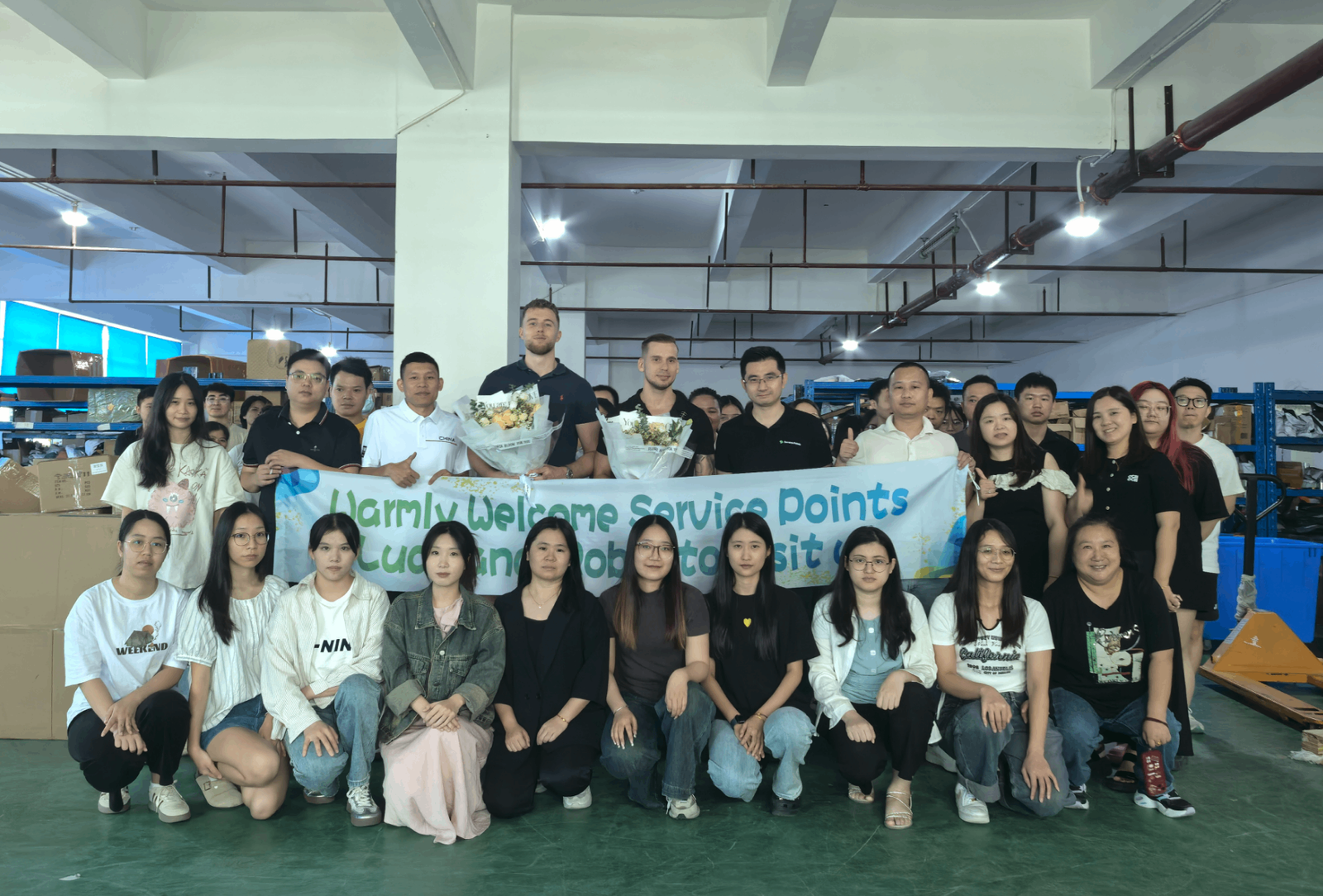
Traditional dropshipping ties up no capital in inventory but sacrifices speed and control. Holding your own inventory allows for faster shipping and better quality control but requires significant capital. Fulfillant’s Business Credit Solutions provide a powerful hybrid model: you can stock inventory in their global warehouses using flexible financing, dramatically improving delivery times and customer experience without crippling your cash flow.
Quantitative Evaluation: How a Logistics Partner Impacts Profitability
Let’s rank critical business dimensions and see how a basic supplier compares to an integrated partner like Fulfillant.
| Business Dimension | Basic Supplier / AliExpress | Integrated 3PL (e.g., Fulfillant) | Impact on Profit Potential |
|---|---|---|---|
| Shipping Speed (US/EU) | 15-30+ days | 2-7 days (Same-Day Dispatch) | HIGH. Enables higher price points, reduces refund requests, boosts conversion rates. |
| Branding & Unboxing | Generic packaging, often with supplier logos | Custom Branding Options (kits, inserts, logos) | MEDIUM-HIGH. Essential for building a brand, driving social shares, and increasing LTV. |
| Order Accuracy & QC | Inconsistent, rarely includes quality check | Professional picking/packing with QC steps | HIGH. Eliminates the profit drain of wrong/damaged item returns and customer service time. |
| Returns Management | Cumbersome, often international | Streamlined Returns Management hub | MEDIUM. Reduces administrative burden and can salvage value from returns. |
| Inventory Forecasting | Blind reliance on supplier stock | Real-time Inventory Synchronization across all channels | CRITICAL. Prevents stockouts during ads, allowing confident scaling of successful products. |
| Scalability Infrastructure | Manual, error-prone order processing | Automated Order Processing & API integrations | CRITICAL. The only way to handle 100+ orders/day without proportional increases in labor cost. |
Final Ranking of Profitability Drivers:
Scalability Infrastructure & Automation (The foundation for growth)
Shipping Speed & Reliability (The core of customer satisfaction)
Inventory Visibility & Management (The key to operational stability)
Branding & Customer Experience (The path to premium margins)
Integrated Financial Tools (The engine for capital-efficient growth)
The Fulfillant Advantage: Systematically Unlocking Higher Earnings
Choosing Fulfillant – Your Trusted Global E-commerce Logistics Solutions Partner is not an expense; it’s an investment in your business’s profit ceiling. Here’s how their core services translate directly to your bottom line:
From Dropshipping to Brand Logistics: They facilitate the crucial evolution from a generic dropshipping store to a Global DTC Brand. This transition is where margins expand significantly.
Turn-Time is Money: Their Lightning-Fast Processing Speed (orders before 2 PM ship same day) means customers get tracking numbers hours after purchase, drastically reducing post-purchase anxiety and chargeback risk.
Global Reach, Local Speed: With strategically located warehouses, you can offer cost-effective, fast shipping to major markets, making your store competitive locally and internationally.
Dedicated Expertise: A Dedicated Account Manager provides strategic guidance, helping you optimize packaging, shipping routes, and inventory placement—expertise that directly saves you money and boosts efficiency.
Conclusion: How Much Money Can You Make With Dropshipping?
How much money can you make with dropshipping? The ultimate answer is: as much as your systems and partnerships allow. The low-barrier entry model can generate initial sales, but substantial, sustainable profit is built on a foundation of operational excellence. It requires treating your venture not as a product-testing scheme, but as a full-fledged retail brand. This shift in mindset—supported by the right logistics and fulfillment infrastructure—is what separates those who wonder where their profits went from those who watch them grow consistently. By leveraging a comprehensive partner like Fulfillant{:target=”_blank”} to handle the complex logistics of dropshipping fulfillment, third-party logistics, and inventory management, you free your capital, time, and mental energy to focus on what truly drives revenue: marketing, customer acquisition, and product development. Your earning potential is then limited only by your vision and execution, not by your supply chain. For ongoing insights and strategies, be sure to follow industry discussions on platforms like youtube.com/@fulfillantyunling{:target=”_blank”}.
Frequently Asked Questions (FAQ)
Q1: What is a realistic profit margin for a beginner in dropshipping?
A: After all expenses (ads, product cost, fees), beginners should target a net margin of 15-25%. This often requires a product markup of 3-4x the landed cost (product + shipping). High-ticket items ($80+) often yield better percentage margins.
Q2: How long does it typically take to become profitable?
A: Most serious beginners reach profitability (consistent net positive months) within 3-6 months. The first 1-2 months often involve testing and learning, which may operate at a loss due to ad spend.
Q3: Can you really make $10,000 a month with dropshipping?
A: Yes, it is an achievable target for committed operators, but it is not typical in the first few months. It usually requires scaling a winning product or building a loyal customer base in a niche, combined with efficient operations.
Q4: What is the single biggest mistake that kills dropshipping profits?
A: Neglecting customer experience, primarily due to slow and unreliable shipping. This leads to high refund rates, poor reviews, low repeat customer rates, and ultimately, unsustainable customer acquisition costs.
Q5: How does using a 3PL like Fulfillant increase my profits if it costs more than direct supplier shipping?
A: While the per-order fulfillment fee may be higher, the profit increase comes from: a) Higher selling prices enabled by faster shipping, b) Lower customer acquisition cost due to better reviews/trust, c) Dramatically reduced time spent on logistics, and d) Increased sales volume from scaling with confidence.
Q6: Do I need to hold inventory if I use Fulfillant?
A: Not necessarily. You can start with their dropshipping fulfillment model. However, for best results (speed, cost, branding), transitioning to holding your own inventory in their warehouses is recommended for winning products. Their business credit solutions can help finance this move.
Q7: How important is niche selection for profitability?
A: Extremely. A focused niche allows for targeted, cheaper advertising, easier brand building, and higher customer LTV. Broad, “general store” approaches often have higher customer acquisition costs and lower loyalty.
Q8: Can I use Fulfillant if I sell on multiple platforms like Shopify and TikTok?
A: Absolutely. This is one of their core strengths. Their Multi-Channel Integration allows you to manage and fulfill orders from Shopify, Amazon, TikTok Shop, and others from a single dashboard and inventory pool.
Q9: What happens with returns when using a 3PL?
A: A professional 3PL like Fulfillant provides a Returns Management service. They receive returns at a designated hub, inspect the item, and update your inventory. This simplifies the process for you and the customer, turning a negative experience into a manageable one.
Q10: Is dropshipping still viable in 2025 with so much competition?
A: Yes, but the game has changed. Success is no longer about finding a hidden product. It’s about superior marketing, building a brand, and providing a flawless customer experience. Competition is high on price and ads; it is much lower on operational excellence and brand trust, which is where the real profit lies.