Starting a dropshipping business is famously touted for its low barrier to entry, but “low” isn’t the same as “zero.” As a senior specialist who has guided thousands of e-commerce sellers, the most common pitfall I see is underestimating the initial capital required to build a sustainable venture, not just a fleeting storefront. The true cost isn’t just about buying a domain; it’s about funding the entire engine that drives discovery, trust, and conversion.
So, how much money do you need to start dropshipping? You can technically launch a basic store for as little as $100-$500, but to seriously compete and build a business with staying power, a realistic starting budget is between $2,000 and $5,000. This capital allows you to properly test products, execute professional marketing, and leverage reliable fulfillment partners without immediately hitting a cash flow wall.
Let’s dismantle the myth of the “$100 startup” and build a transparent, phase-by-phase financial blueprint for launching your dropshipping business in 2024.
The Real Cost Components of a Dropshipping Business
A successful launch requires investment in three core pillars: The Store & Operations, The Product & Fulfillment, and The Marketing & Sales Engine. Each has both mandatory and strategic optional costs.
Phase 1: Pre-Launch & Foundation Costs ($200 – $800+)
This phase covers everything you need before you make your first sale.
1. E-commerce Platform & Store Setup ($29 – $300/month)
Shopify (Recommended): The industry standard. The Basic plan starts at $29/month. You’ll likely need this active for at least 3-6 months before seeing consistent profitability.
Domain Name ($10 – $15/year): A custom domain (yourstore.com) is non-negotiable for professionalism.
Theme & Apps ($0 – $200): While free themes exist, a premium theme ($150-$250) offers better design and conversion optimization. Essential starter apps (for email, reviews, upselling) can cost $50-$100/month.
2. Initial Inventory & Sample Orders ($50 – $500)
This is a critical but often overlooked cost. Never sell a product you haven’t physically held.
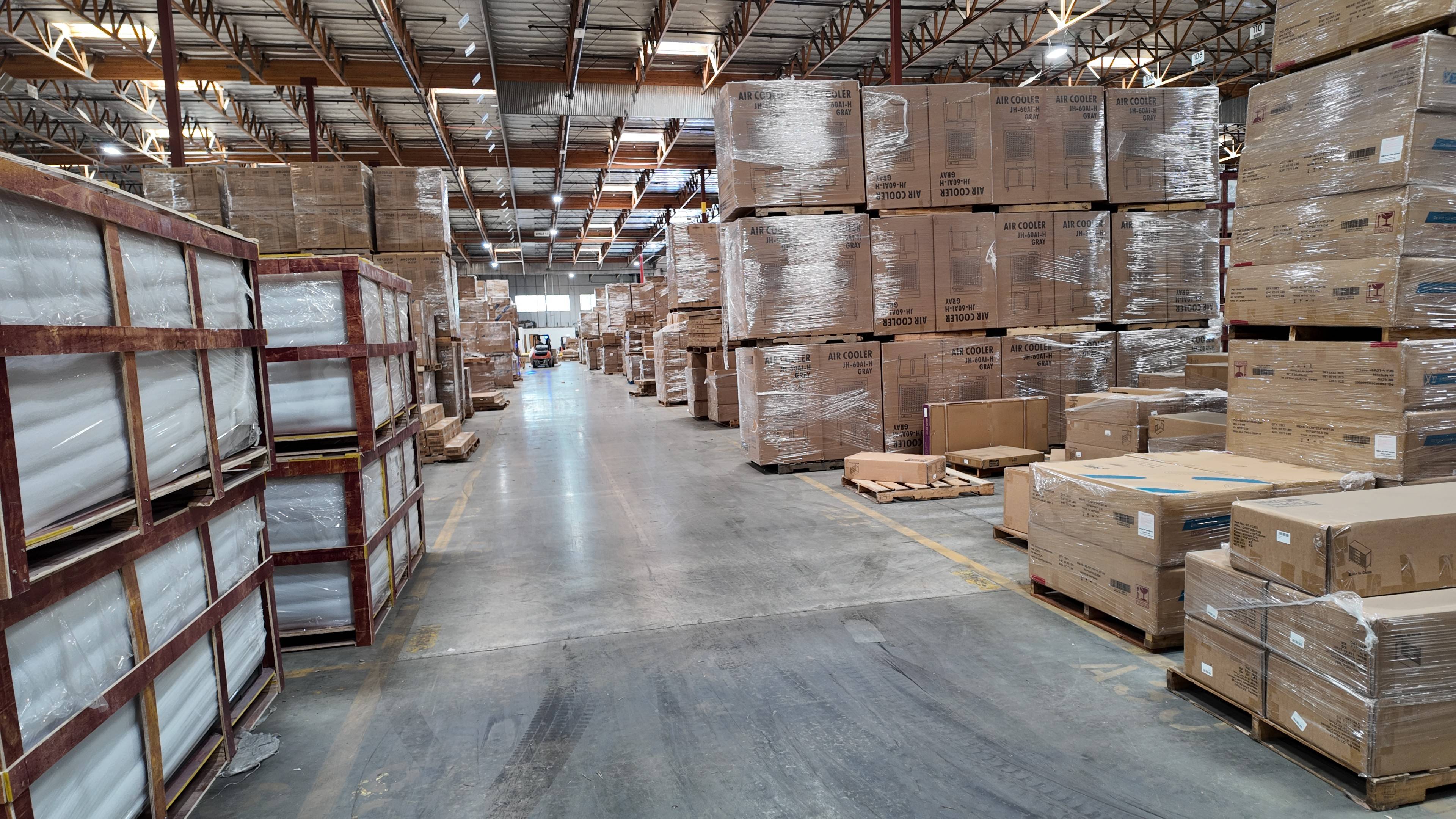
Ordering 2-3 samples of your top product candidates from your supplier is crucial for quality checks, photography, and understanding shipping times. This cost is a direct investment in risk mitigation.
3. Legal & Business Foundation ($0 – $400)
Business Registration: Costs vary by state/country (LLC formation can be $50-$400).
Essential Tools: A basic graphic design tool (e.g., Canva Pro: $12/month).
Phase 2: Operational & Fulfillment Costs (Variable)
This is where your choice of partner makes or breaks your margins and reputation. Let’s examine this through the lens of a modern solution like Fulfillant.
Why Your Fulfillment Partner is a Core Financial Decision
A supplier isn’t just a source of products; it’s your logistics arm. Choosing a partner like Fulfillant represents a strategic financial shift from a pure cost center to a growth enabler. Here’s how it impacts your startup budget:
Elimination of Bulk Inventory Risk: Traditional models require buying inventory upfront. With dropshipping fulfillment, you pay for the product only when a customer orders it. This is the single biggest capital savings for a startup.
Predictable Cost Structure: Transparent per-order fees for picking, packing, and shipping allow for accurate profit margin calculation from day one.
Hidden Cost Savings: Services like automated order processing, real-time inventory sync, and built-in tracking prevent costly errors, customer service issues, and chargebacks that eat into a new store’s thin margins.
Breaking Down a Typical Fulfillment Cost per Order with Fulfillant
| Cost Component | Approximate Range | Impact on Startup Budget |
|---|---|---|
| Product Cost | $8 – $25 (varies widely) | Your largest variable cost. Paid only after customer purchase. |
| Fulfillment Fee | $2 – $5 per order | Covers picking, packing, and labor. A fixed, predictable operational cost. |
| Shipping Fee | $3 – $15 (Domestic & International) | Passed directly to the customer or partially subsidized. |
| Custom Branding | $1 – $3 extra per order | Optional but highly recommended for brand building. |
The Financial Takeaway: Partnering with a comprehensive dropshipping fulfillment service converts large, uncertain capital expenditures (inventory warehousing) into predictable, per-unit operational expenses. This is why you can start with thousands, not tens of thousands, of dollars.
Phase 3: Marketing & Customer Acquisition Costs ($500 – $3,000+)
This is where the majority of your startup capital should be allocated. You can have the best store and product, but without traffic, you have no sales.
1. Initial Testing Budget ($300 – $1,500)
Facebook/Instagram Ads: Plan for at least $50-$100 per product you want to test. You need enough data to see if an ad has potential. A common beginner mistake is killing a campaign after spending only $10.
TikTok Ads/Organic: Potentially lower cost-per-click, but requires creative production. Budget for boosting content.
Google Shopping Ads: Excellent for intent-driven traffic but requires a