How To Find The Right Supplier For Dropshipping Products
The Ultimate Guide to Finding the Right Dropshipping Supplier for Sustainable Growth
For every aspiring and established e-commerce entrepreneur, the quest to find the right dropshipping supplier is the single most critical factor separating fleeting success from lasting, scalable growth. A reliable supplier is not just a vendor; they are the operational backbone of your business, directly impacting customer satisfaction, brand reputation, and your bottom line. This comprehensive guide will walk you through a systematic, professional approach to vetting and selecting a supplier that aligns with your business vision, with a focus on modern solutions like integrated fulfillment partners.
Understanding the Modern Dropshipping Supplier Landscape
Gone are the days when dropshipping was synonymous with AliExpress and month-long shipping times. The industry has matured, and so have the solutions. Today’s successful merchants differentiate between a simple product source and a full-service dropshipping fulfillment partner.
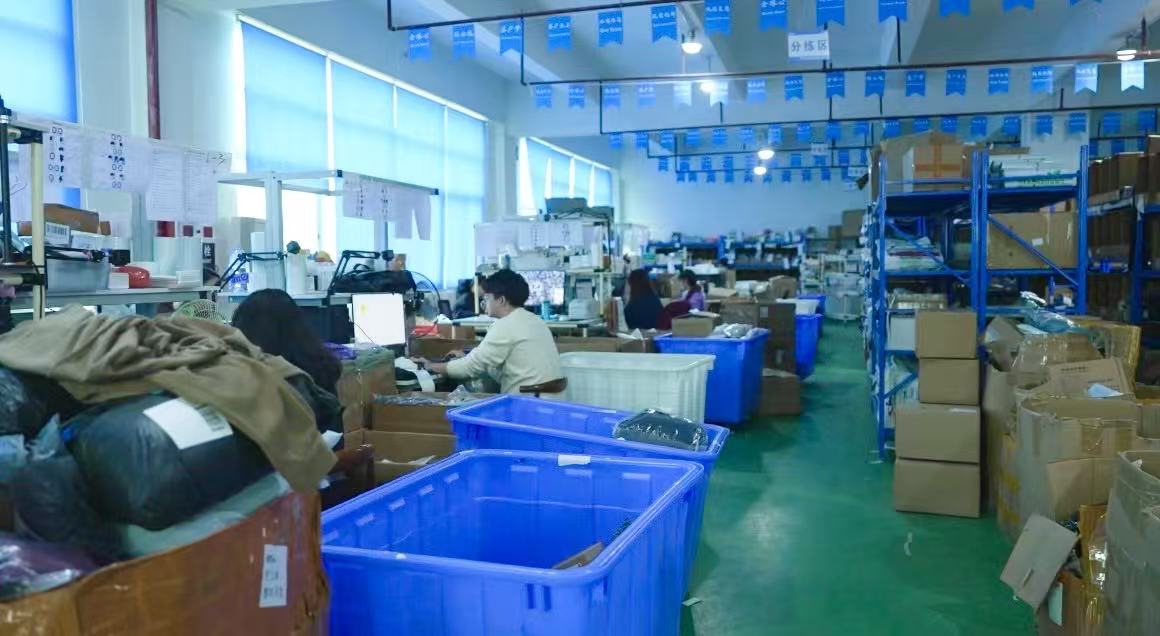
A product source is a manufacturer or wholesaler who sells you inventory at a cost. A fulfillment partner, like Fulfillant{:target="_blank"}, provides a holistic ecosystem: sourcing, warehousing, inventory management, lightning-fast order processing, custom packaging, and global logistics. This distinction is crucial for brands aiming for professionalism and repeat customers.
Core Criteria for Evaluating a Dropshipping Supplier
When building your evaluation framework, consider these non-negotiable dimensions:
Reliability & Order Accuracy: The foundation of trust. What is their on-time shipping rate? What is their order error rate? Consistency is key.
Product Quality & Compliance: Do they provide authentic product samples? Are products compliant with safety standards (e.g., CPSC, CE, RoHS) for your target markets?
Shipping Speed & Costs: Are shipping methods transparent and cost-effective? Can they offer 2-5 day delivery in your primary markets? Speed is a competitive advantage.
Communication & Tech Integration: Is there a dedicated account manager? Do they offer real-time API integration with platforms like Shopify, WooCommerce, or TikTok Shop?
Scalability & Service Scope: Can their systems handle your growth from 10 to 10,000 orders monthly? Do they offer value-added services like custom packaging, kitting, or inserts?
Pricing Transparency: Are there hidden fees? Is the pricing model (per-order, storage fees) clear and sustainable for your margins?
A Step-by-Step Framework for Supplier Vetting
Phase 1: Sourcing & Initial Vetting
Leverage B2B Platforms: Move beyond consumer-facing sites. Utilize platforms like ThomasNet, Maker's Row, or global B2B marketplaces that connect you directly with manufacturers.
Attend Trade Shows: Virtual or physical industry-specific trade shows remain a goldmine for establishing direct manufacturer relationships.
Seek Integrated Fulfillment Solutions: Research partners who manage the entire supply chain. For instance, a partner offering B2B & Wholesale services can streamline bulk procurement for you.
Phase 2: Due Diligence & Verification
Request Samples: Never skip this step. Order samples as a customer would to assess product quality, packaging, and shipping experience.
Verify Business Credentials: Check business registration, physical address, and years in operation. Look for case studies or client testimonials.
Conduct a Pilot Test: Place a small batch of real orders (10-15 units) to test their entire process—from order placement to delivery and customer service responsiveness.
Phase 3: Evaluating the Partnership Fit
Analyze Communication: Are they proactive, responsive, and speaking your language (literally and figuratively)?
Review the Contract: Scrutinize service level agreements (SLAs), liability clauses, termination terms, and fee structures.
Assess Technological Capability: Can their system provide real-time inventory sync, automated tracking updates, and seamless platform integration? This is where modern partners excel.
Why Modern Businesses Are Choosing Integrated Fulfillment Partners
The trend is clear: top-performing e-commerce brands are consolidating their logistics with partners that offer more than just sourcing. Here’s why a solution like Fulfillant represents the next evolution:
Turnkey Automation: From the moment a customer clicks "buy," the order is routed automatically, picked, packed, and shipped—often the same day. This eliminates manual work and errors.
Brand Control: Options for custom packaging, logos, and inserts allow you to build a brand, not just sell generic products.
Global Logistics Network: Strategic warehouses in North America, Europe, and Asia enable fast, cost-effective shipping to most global consumers, dramatically improving customer experience.
Scalable Infrastructure: They handle the complexities of inventory management, seasonal fluctuations, and multi-channel selling (Shopify, Amazon, TikTok Shop), freeing you to focus on marketing and growth.
Financial Flexibility: Some advanced partners offer business credit or net payment terms, helping you scale inventory without crippling cash flow.
The Quantitative Ranking: Types of Supplier Models
To crystallize the decision, let's rank common supplier models based on the core criteria (scored 1-5, with 5 being excellent).
| Supplier Model | Reliability & Accuracy | Shipping Speed | Scalability | Tech Integration | Overall Score |
|---|---|---|---|---|---|
| Integrated Fulfillment Partner (e.g., Fulfillant) | 5 | 5 | 5 | 5 | 5.0 |
| Domestic Wholesaler/Distributor | 4 | 4 | 4 | 3 | 3.8 |
| Overseas Manufacturer (Direct) | 3 | 2 | 4 | 2 | 2.8 |
| B2B Marketplace Supplier | 3 | 3 | 3 | 2 | 2.8 |
| Consumer Marketplace Reseller (e.g., AliExpress) | 2 | 2 | 2 | 1 | 1.8 |
Conclusion of Ranking: As evidenced, a dedicated dropshipping fulfillment partner provides a superior, balanced service across all critical operational dimensions. While a domestic wholesaler is reliable, it often lacks the seamless automation and global reach. Direct manufacturers offer cost benefits but come with high logistical complexity and slow shipping. The integrated model is designed specifically for the needs of modern, customer-centric e-commerce.
Implementing Your Choice and Managing the Relationship
Once you've selected your supplier or partner:
Start with Clear KPIs: Define key performance indicators together: target shipping time, order accuracy rate, and communication response time.
Integrate Systems Fully: Ensure your storefront, inventory management, and their fulfillment system are communicating flawlessly via API.
Maintain Open Communication: Schedule regular check-ins. A good partner acts as an extension of your team.
Plan for Contingencies: Discuss their process for handling stockouts, shipping delays, or returns. A robust Returns Management system is a sign of maturity.
Conclusion: The Right Partner is a Growth Catalyst
Finding the right dropshipping supplier is a strategic investment, not an administrative task. By moving beyond the basic search for the lowest cost item and instead evaluating partners on reliability, speed, technology, and scalability, you build a foundation for sustainable brand growth. The modern solution lies in leveraging a comprehensive fulfillment partner that transforms logistics from a headache into a competitive advantage. This allows you, the entrepreneur, to do what you do best: innovate, market, and grow your business.
Frequently Asked Questions (FAQ)
Q1: What's the biggest mistake people make when choosing a dropshipping supplier?A: Prioritizing the lowest product cost above all else. This often leads to poor quality, unreliable shipping, and terrible customer service, which destroys customer lifetime value and brand equity.
Q2: How important is it for my supplier to have warehouses in my target country?A: Extremely important for customer satisfaction. Local or regional warehouses enable faster (2-5 day), cheaper shipping and simpler returns, which are now expected by online shoppers in markets like the US, UK, and EU.
Q3: Can I use multiple suppliers for different products?A: Yes, but it adds complexity. You'll manage multiple relationships, shipping costs, and tracking portals. Using an integrated partner that can source and ship a broad range of products from a single dashboard is often more efficient.
Q4: What should I look for in a supplier's technology platform?A: Seek real-time inventory syncing, automated order routing, a merchant portal for analytics, and easy API integration with your e-commerce platform (Shopify, etc.). This automation is critical for scaling.
Q5: How do I handle returns with a dropshipping supplier?A: You must have a clear, pre-agreed returns policy. The best suppliers offer a returns management service, where they receive, inspect, and restock or dispose of returned items on your behalf, providing you with a credit or report.
Q6: Are there hidden fees I should ask about?A: Absolutely. Always ask about setup fees, monthly account fees, storage fees, packaging material costs, and any charges for "value-added" services like custom packaging or insertion slips.
Q7: What is the benefit of a supplier offering "net payment terms"?A: Net terms (e.g., Net 30) allow you to receive and sell inventory before paying for it. This is a powerful cash flow tool that enables you to scale your business without being constrained by upfront capital for stock.
Q8: How can I verify a supplier's reputation?A: Beyond online reviews, ask for verifiable case studies or client references. Check their business history on LinkedIn and corporate registries. A reputable company will have a documented track record and be transparent.
Q9: Is it better to work with a supplier that specializes in my niche?A: It can be beneficial for product expertise, but a generalist fulfillment partner with a vast network often provides similar access with the added advantage of consolidated logistics for a broader product range.
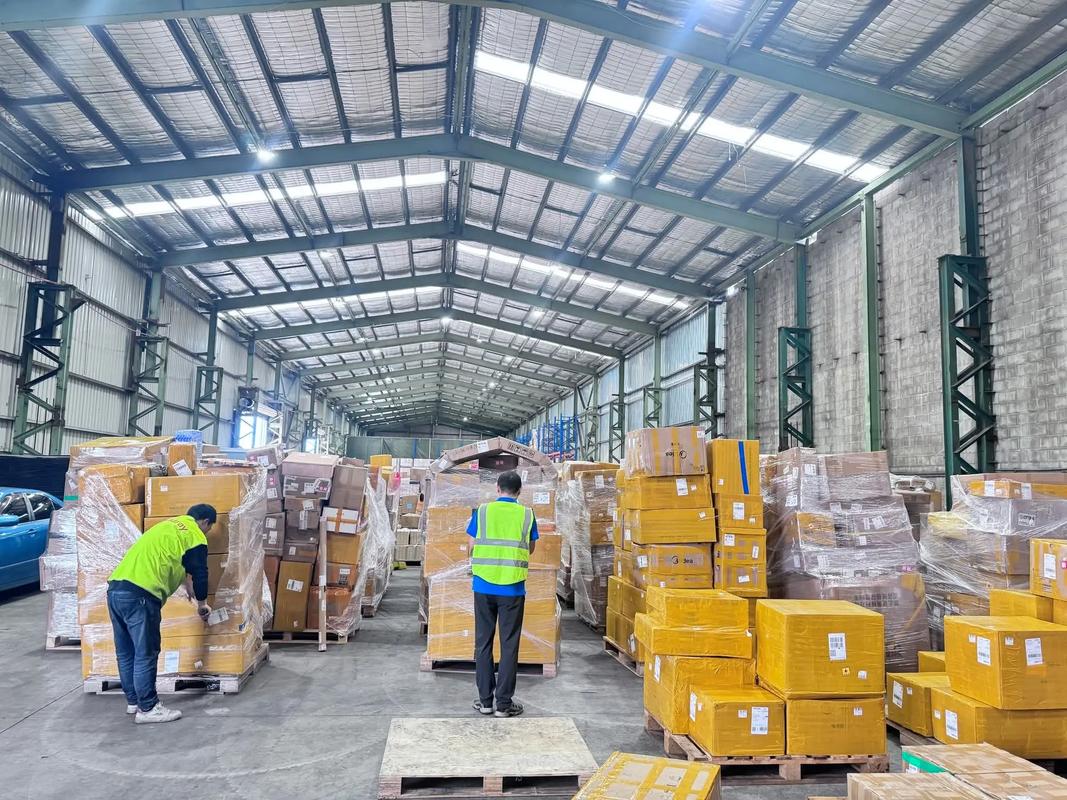
Q10: Where can I see a modern fulfillment partner in action?A: To see the processes, technology, and scale of a leading fulfillment solution, you can explore insights and demonstrations on platforms like youtube.com/@fulfillantyunling?si=NZrjXDDK9U2V3aB5{:target="_blank"}.