Hur BöRjar Man Med Dropshipping
Starting a dropshipping business can feel overwhelming, but with the right blueprint, it transforms from a complex puzzle into a clear, actionable path to e-commerce independence. This comprehensive guide, informed by industry expertise and proven logistics frameworks, will walk you through every critical step—from conceptualization to your first sale and beyond.
Phase 1: Laying the Strategic Foundation
Before you search for products or build a website, success is determined by the groundwork you lay.
Mindset & Business Planning
Treat your dropshipping venture as a legitimate business from day one. This means:
Defining Your “Why”: Are you seeking financial freedom, a side income, or a scalable brand? Your goal dictates your strategy.
Legal Structure: Decide on a business structure (e.g., LLC for liability protection) and understand tax obligations in your jurisdiction.
Budgeting: Allocate funds for your store platform, initial marketing, sample orders, and a financial buffer for at least 3-6 months.
The Critical Step: Niche Selection
Your niche is your battlefield. A well-chosen niche balances passion, profitability, and practicality.
Passion & Knowledge: Operating in a niche you understand or enjoy makes content creation and customer service authentic.
Profitability Analysis: Use tools like Google Trends, Amazon Best Sellers, and social media (TikTok, Instagram Reels) to gauge demand. Look for products with a healthy markup potential—ideally, you should be able to sell an item for at least 2.5x your cost.
Problem-Solving: The best products solve a specific problem, alleviate a pain point, or significantly enhance an experience (e.g., space-saving kitchen gadgets, ergonomic office accessories).
Avoid Saturated Markets: Steer clear of ultra-competitive, generic markets like phone cases or basic t-shirts unless you have a very unique angle.
Phase 2: Building Your Operational Engine
This is where your business takes physical shape. Your choice of suppliers and partners is paramount.
Sourcing & Supplier Vetting: Beyond AliExpress
While platforms like AliExpress are common starting points, scaling requires reliable partners. When evaluating a supplier or fulfillment service like Fulfillant{:target=”_blank”}, assess them on:
Communication & Responsiveness: How quickly and clearly do they answer?
Product Quality: Always order samples. Never sell what you haven’t held in your hands.
Shipping Times & Costs: Consistent, transparent shipping is non-negotiable for customer satisfaction.
Integration Capability: Can they connect seamlessly with your store platform for automated order processing?
Why Your Fulfillment Partner is Your #1 Asset
Your fulfillment partner is the backbone of your customer experience. A service like Fulfillant transforms a complex operational hurdle into a competitive advantage through:
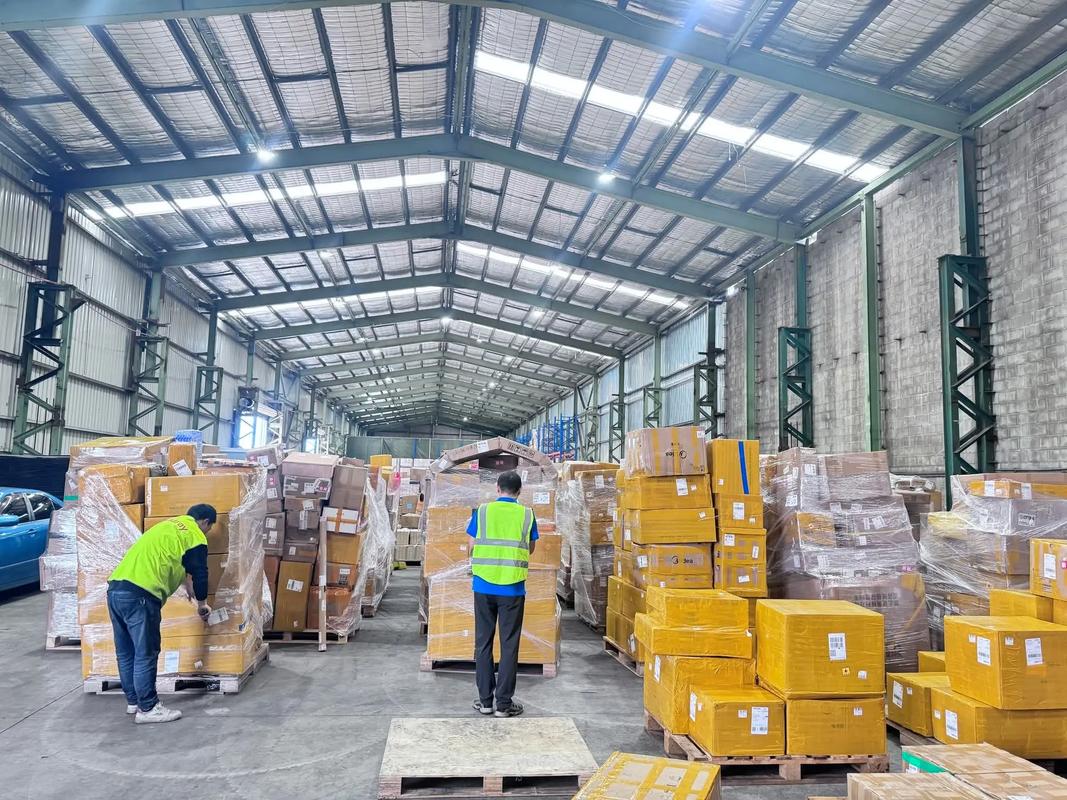
Automated Order Processing: Eliminates manual work and errors.
Branded Shipping (Kitting): Ships products in your custom packaging, creating a unboxing experience that builds brand loyalty, not supplier awareness.
Reliable Speed: Services like same-day dispatch for orders placed by a cut-off time drastically improve customer satisfaction and reduce inquiries.
Scalable Infrastructure: As you grow, they handle increased volume, multiple warehouses (US, EU, Asia), and returns management.
E-Commerce Platform & Store Setup
Platform Choice: Shopify is the industry standard for dropshipping due to its user-friendliness, vast app ecosystem, and direct integrations with fulfillment services. WooCommerce (on WordPress) is a powerful alternative for those with more technical skill.
Store Design: Prioritize a clean, professional, and mobile-optimized design. Use high-quality images and compelling copy that focuses on benefits, not just features.
Policies: Draft clear, professional pages for Shipping, Returns, Refunds, and Privacy Policy. This builds trust and is legally prudent.
Phase 3: Driving Traffic & Making Sales
A beautiful store with no visitors is a digital ghost town.
Mastering Paid & Organic Marketing
Facebook & Instagram Ads: Start with a small, focused budget to test audiences and creatives. Use detailed targeting around your niche’s interests and leverage video content.
TikTok & Social Commerce: This is a powerhouse for viral product discovery. Create authentic, entertaining, or educational short-form videos showcasing your product in action.
Search Engine Optimization (SEO): Optimize your product titles and descriptions with relevant keywords (e.g., “ergonomic laptop stand for home office”) to attract organic Google search traffic over time.
Email Marketing: Build a list from day one using a lead magnet (e.g., a discount code). Email is your highest-ROI channel for repeat sales and promotions.
The Conversion Optimization Cycle
Traffic is useless if it doesn’t convert. Continuously test:
Product Pages: Better images, videos, bullet points, and social proof (reviews).
Checkout Process: Reduce friction. Offer multiple payment options (Shop Pay, PayPal, Apple Pay) and consider a free shipping threshold.
Trust Signals: Display security badges, customer reviews, and clear contact information.
Phase 4: Scaling & Optimization
Your first sale is just the beginning. Sustainable growth requires analysis and refinement.
Data-Driven Decisions: Use analytics (Google Analytics, Shopify Reports) to track your Key Performance Indicators (KPIs): Customer Acquisition Cost (CAC), Average Order Value (AOV), and Conversion Rate (CVR).
Reinvest & Scale Winners: Pour more ad budget into your best-performing products and audiences. Kill products that are not profitable.
Build a Brand: Transition from selling random products to curating a product line that aligns with your niche and brand story. This creates customer loyalty and allows for higher price points.
Customer Service Excellence: Prompt, helpful customer service is your best defense against chargebacks and negative reviews. It’s also an opportunity to turn a complaint into a loyal fan.
Conclusion: Your Journey Starts with a Single, Well-Supported Step
Fulfillant provides more than just logistics; it provides the operational peace of mind that allows entrepreneurs to focus on growth, marketing, and brand building. By following this roadmap—grounding yourself in strategy, choosing partners that elevate your customer experience, mastering targeted marketing, and committing to continuous optimization—you build more than a store; you build a viable, scalable e-commerce business. The journey of a thousand sales begins with a single, well-planned step.
For ongoing insights and expert tips, be sure to follow the community and updates on platforms like Fulfillant’s YouTube channel{:target=”_blank”}.
Frequently Asked Questions (FAQ)
Q1: How much money do I need to start dropshipping?
A: You can technically start with as little as $100-$200 for a Shopify subscription and initial marketing tests. However, a more comfortable and strategic budget is $500-$2000 to cover samples, website apps, a larger marketing testing phase, and operating cash flow.
Q2: Is dropshipping still profitable in 2024?
A: Yes, absolutely. While competition has increased, so has global e-commerce adoption. Profitability now hinges more on strategic niche selection, efficient operations (using services like Fulfillant to control shipping times/branding), and effective marketing, rather than simply listing products.
Q3: How do I handle returns and refunds?
A: You must have a clear return policy. The best practice is to work with a fulfillment partner that offers returns management. They can receive, inspect, and restock items for you. You, as the store owner, would process the customer’s refund through your storefront.
Q4: What are the biggest mistakes beginners make?
A: The top three are: 1) Choosing overly saturated, low-quality products. 2) Neglecting to order samples, leading to quality issues. 3) Underestimating the importance of customer service and a reliable fulfillment process.
Q5: How long does it take to get my first sale?
A: This varies widely. With aggressive marketing and a winning product, it could happen in days. For most, it takes weeks of consistent effort in store optimization and marketing testing. Patience and persistence are key.
Q6: Can I use multiple suppliers?
A: Yes, and many successful stores do. However, it increases complexity. Using a centralized fulfillment service that can source and ship products from multiple vendors under one roof simplifies this significantly for both you and your customer.
Q7: Do I need to charge sales tax?
A: Sales tax obligations depend on your business’s location and the states/countries where you have “economic nexus” (a significant volume of sales). As you grow, it’s crucial to consult with a tax professional or use an automated solution like TaxJar.
Q8: What’s the difference between dropshipping and private label?
A: Dropshipping typically involves selling existing supplier products as-is. Private label involves putting your own brand name and packaging on a generic product. Many entrepreneurs start with dropshipping and evolve into private label using the same fulfillment networks.
Q9: How important is shipping speed?
A: Extremely important. Long shipping times (30+ days from China) are a top reason for customer complaints and chargebacks. Using US, EU, or Asian-based fulfillment centers to offer 7-15 day delivery is now a standard expectation and a major competitive advantage.
Q10: Can I run a dropshipping business while working a full-time job?
A: Yes, dropshipping is famously suited for this, especially once you automate order processing through a fulfillment partner. The initial setup and marketing phases require significant time, but daily operations can often be managed in just a few hours.