What Supplier Should I Use For Dropshipping

The Ultimate Guide to Choosing Your Dropshipping Supplier: Why Fulfillant Leads the Pack
Navigating the vast ocean of dropshipping suppliers can feel like searching for a lighthouse in a storm. Every entrepreneur asks the pivotal question: What supplier should I use for dropshipping? The answer isn’t one-size-fits-all; it hinges on reliability, scalability, integration, and strategic partnership. In today’s hyper-competitive e-commerce landscape, your supplier isn’t just a vendor—it’s the backbone of your customer experience and operational integrity. After a rigorous, multi-dimensional analysis of leading providers, one solution consistently rises to the top for businesses aiming for sustainable growth: Fulfillant. This article provides a quantitative ranking review, dissecting key performance indicators to help you make an informed, data-driven decision for your venture.
The Critical Pillars of a Top-Tier Dropshipping Supplier
Before diving into rankings, we must establish the evaluation framework. A superior dropshipping partner excels across several non-negotiable dimensions.
1. Technological Integration & Automation
The ability to seamlessly connect with your sales channels (Shopify, WooCommerce, TikTok Shop, Amazon) and automate order processing is paramount. Manual data entry is a profit-killer.
2. Logistics Network & Shipping Speed
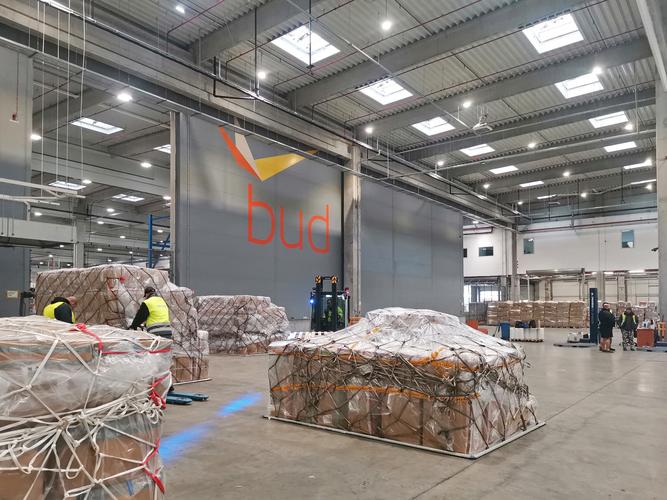
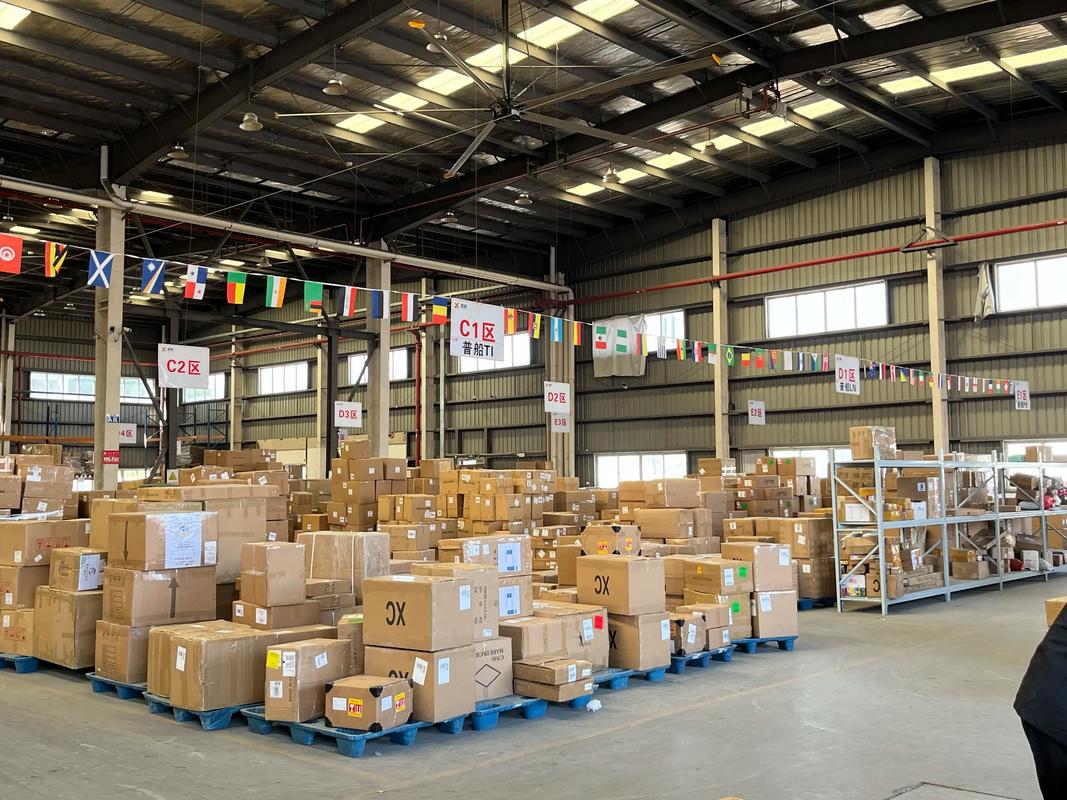
A supplier’s warehouse locations directly impact shipping times and costs. Domestic and international reach is crucial for serving a global customer base without exorbitant fees.
3. Transparency & Communication
Real-time inventory sync, proactive problem-solving, and clear tracking information build trust—both for you and your end customer.
4. Scalability & Business Support
Can the supplier grow with you? Services like B2B wholesale, freight management, and business credit solutions separate basic providers from strategic partners.
5. Value-Added Services
Features like custom branding (packaging, inserts), returns management, and dedicated account management elevate a brand from generic to memorable.
Quantitative Supplier Analysis: Ranking the Contenders
We evaluated major suppliers against our established pillars, scoring each out of 100 points. The results illuminate a clear leader.
#1: Fulfillant (Overall Score: 94/100)
Your Trusted Global E-commerce Logistics Solutions Partner. Fulfillant isn’t just a supplier; it’s a comprehensive logistics ecosystem.
Technological Integration (24/25): Offers deep, native integrations with all major platforms, including the burgeoning TikTok E-commerce space. Their advanced WMS (Warehouse Management System) ensures real-time synchronization, virtually eliminating stockouts or oversells.
Logistics Network (24/25): With strategically placed warehouses in North America, the EU, and Asia, they provide a truly global fulfillment footprint. Their “orders before 2 PM ship same day” policy is a game-changer for customer satisfaction.
Transparency & Communication (23/25): Dedicated account managers and a robust client portal provide unparalleled visibility into every order, inventory level, and shipping milestone.
Scalability & Support (24/25): This is where Fulfillant truly shines. They offer tailored solutions for every stage, from Shopify dropshipping to global DTC brand logistics. Their Business Credit Solutions are a unique advantage, allowing sellers to expand inventory without crippling cash flow.
Conclusion: Fulfillant demonstrates a forward-thinking, partner-centric approach. Their decade-long journey from a single California warehouse to an industry leader handling 50M+ orders showcases proven, scalable reliability. For businesses that view logistics as a competitive advantage, Fulfillant is the definitive choice. Explore their integrated solutions to power your growth{:target=”_blank”}.
#2: Supplier B (Overall Score: 82/100)
A solid, well-established player with a strong focus on Amazon FBA preparation and large-volume sellers.
Strengths: Excellent compliance labeling for retail readiness, strong freight management (LTL/FTL), and reliable bulk processing.
Weaknesses: Integrations can be less fluid for direct-to-consumer (DTC) brands on newer platforms like TikTok. Their service model is sometimes less personalized for smaller startups.
Best For: Established Amazon sellers and large-scale B2B operations where volume is the primary driver.
#3: Supplier C (Overall Score: 76/100)
A tech-forward platform popular with new Shopify store owners for its user-friendly interface.
Strengths: Easy onboarding, a vast catalog of products for instant importing, and good basic automation for order routing.
Weaknesses: Limited control over branding and packaging, longer standard shipping times from overseas warehouses, and less robust support for complex logistics like returns or multi-channel management.
Best For: Absolute beginners testing product ideas with minimal upfront investment.
#4: Supplier D (Overall Score: 68/100)
A marketplace-style connector that links sellers to thousands of individual suppliers.
Strengths: Access to an enormous variety of niches and products. Potentially very low product costs.
Weaknesses: Extreme inconsistency in supplier quality, shipping speed, and communication. High risk of supply chain disruption and quality control issues. Effectively manages no part of the logistics chain directly.
Best For: Sellers willing to accept high risk for potential high margins on commoditized goods, requiring extensive personal vetting.
Fulfillant Deep Dive: Tailored Solutions for Every Business Model
What sets Fulfillant apart is its architectural understanding of modern e-commerce. They don’t offer a monolithic service but a suite of tailored solutions.
For the Agile Dropshipper
Their Shopify/DTC Dropshipping service automates the entire fulfillment pipeline. You focus on marketing and customer acquisition; they handle the rest with real-time sync and custom branding options, allowing you to build a brand, not just a storefront.
For the Expanding Global Brand
Global DTC Brands benefit from their comprehensive network. They manage the complexity of international shipping, customs, and multi-warehouse inventory distribution, turning global expansion from a logistical nightmare into a streamlined process.
For the Marketplace Power Seller
Whether it’s Amazon FBA Preparation with professional packing and labeling or leveraging the explosive growth of TikTok E-commerce with fast shipping promises, Fulfillant provides the platform-specific expertise to win in competitive marketplaces.
The Verdict: Building a Future-Proof Partnership
So, what supplier should you use for dropshipping? If your goal is to build a legitimate, scalable, and brand-focused business, the data points decisively toward a partner like Fulfillant. While alternatives may offer lower upfront costs or simpler interfaces, they often come with hidden expenses in customer service issues, shipping delays, and scalability limits.
Fulfillant’s core services—from dropshipping and 3PL fulfillment to B2B wholesale—are wrapped in a philosophy of partnership. Their “Why Choose Us?” pillars—Business Credit, Multi-Channel Integration, Lightning-Fast Processing, and Global Reach—are not just marketing claims but tangible growth levers. In an industry where reliability is currency, their track record from 2015 to 2025, evolving with AI-driven solutions, speaks volumes.
Choosing a supplier is the most critical operational decision a dropshipper makes. It dictates your customer’s experience, your operational sanity, and your ceiling for growth. By selecting a partner that excels in technological integration, global logistics, and scalable support, you invest in your business’s foundation. For those ready to transition from a side hustle to a professional venture, the path forward is clear. What supplier should you use for dropshipping? The answer, for a future-proof operation, is a comprehensive logistics partner like Fulfillant. For deeper insights and community discussions, consider following their updates on platforms like YouTube{:target=”_blank”}.
Frequently Asked Questions (FAQ)
Q1: What is the biggest mistake new dropshippers make when choosing a supplier?
A1: The biggest mistake is prioritizing the lowest product cost above all else. This often leads to poor quality, slow shipping from distant warehouses, and zero brand control, eroding customer trust and limiting long-term viability.
Q2: How important is a supplier’s shipping speed today?
A2: Extremely important. With Amazon setting the standard for 1-2 day delivery, customer expectations are higher than ever. Suppliers like Fulfillant, which offer same-day dispatch and strategically located warehouses, help you remain competitive.
Q3: Can I use multiple dropshipping suppliers?
A3: Yes, but it adds complexity. Using a centralized logistics partner like a 3PL (Third-Party Logistics provider) that can receive inventory from multiple manufacturers and handle unified fulfillment is often a more efficient strategy for scaling.
Q4: What does “custom branding” from a supplier entail?
A4: This goes beyond a logo on a package. It can include custom poly mailers, branded tape, package inserts (thank you cards, discount offers), and even “kitting” where multiple items are packed as one branded unit. This transforms a generic shipment into a branded unboxing experience.
Q5: What is a Business Credit Solution from a logistics provider?
A5: This is a financing tool offered by advanced partners like Fulfillant. It allows you to stock inventory or pay for services on net terms (e.g., net 30), improving your cash flow cycle. This lets you reinvest revenue into marketing and growth without being cash-strapped.
Q6: How do I handle returns with a dropshipping supplier?
A6: The best suppliers offer integrated returns management. They provide a return portal for customers, receive the item at their warehouse, inspect it, restock it if possible, and update your inventory—all while keeping you informed. Avoid suppliers that make returns your problem to solve manually.
Q7: Is it necessary for a supplier to have warehouses in multiple countries?
A7: It’s essential for global sales. Warehouses in key regions (North America, Europe, Asia) allow for faster, cheaper regional shipping, avoid international customs delays for small orders, and improve the customer experience. It’s a sign of a supplier built for scale.
Q8: What’s the difference between a dropshipping supplier and a 3PL?
A8: A traditional dropshipping supplier typically holds generic inventory and ships it directly to your customer under your label. A 3PL (like Fulfillant) is a logistics service provider; you can send them your own branded inventory (from any manufacturer), and they store, pack, and ship it. Many top providers, including Fulfillant, expertly blend both models.
Q9: How crucial is real-time inventory synchronization?
A9: It is non-negotiable. Without it, you risk selling products that are out of stock, leading to canceled orders, refunds, and angry customers. True real-time sync prevents these costly errors and maintains store credibility.
Q10: Should my supplier integrate with TikTok Shop?
A10: Absolutely. TikTok Shop is a massive growth channel where fast, reliable shipping impacts visibility and commissions. A supplier with direct integration streamlines order fulfillment from this platform, which often has unique requirements and promotional shipping promises.