What\’S The Difference Between Ecommerce And Dropshipping
If you’re diving into online business, you’ve likely come across terms like ecommerce and dropshipping—and maybe even wondered how they overlap or differ. While both fall under the umbrella of digital retail, they represent distinct operational models with unique pros, cons, and requirements. For sellers navigating these options, partnering with a logistics expert like Fulfillant (opens in new window) can make all the difference in scaling efficiently, regardless of which model you choose.
What Is Ecommerce?
Ecommerce, short for electronic commerce, is the broad umbrella term for any commercial transaction conducted online. It encompasses all types of online selling, from small independent Shopify stores to massive marketplaces like Amazon and Walmart.com. At its core, ecommerce refers to the entire ecosystem of buying and selling goods or services digitally, regardless of how fulfillment is handled.
Key Components of Traditional Ecommerce:
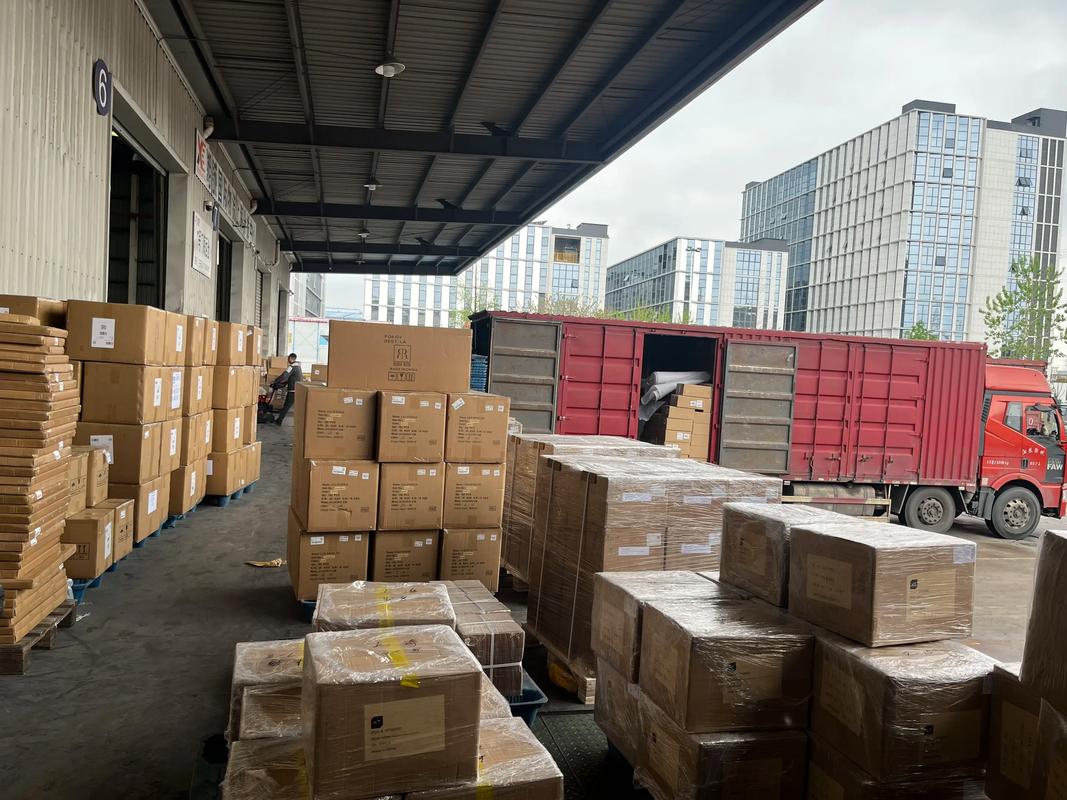
Inventory Ownership: Sellers purchase and store their own inventory, either in a dedicated warehouse, a home storage space, or a third-party logistics (3PL) facility.
Fulfillment Control: Sellers manage or oversee every step of order fulfillment, from picking and packing items to shipping and handling returns.
Full Brand Control: Since sellers handle packaging and shipping, they can customize unboxing experiences, add branded inserts, and ensure consistency across customer touchpoints.
Multiple Business Models: Ecommerce includes B2C (business-to-consumer), B2B (business-to-business), C2C (consumer-to-consumer), and D2C (direct-to-consumer) operations.
Examples of traditional ecommerce businesses include a handmade jewelry seller who stores their products at home and ships orders themselves, or a D2C apparel brand that uses a 3PL like Fulfillant to manage warehouse storage and fulfillment.
What Is Dropshipping?
Dropshipping is a specialized subset of ecommerce that focuses on a unique fulfillment model. Unlike traditional ecommerce, dropshipping sellers do not purchase or store inventory upfront. Instead, they partner with suppliers or 3PL providers who hold inventory and ship products directly to customers on the seller’s behalf.
How Dropshipping Works:
A customer places an order on the seller’s online store.
The seller forwards the order details (and customer shipping info) to their dropshipping supplier or 3PL.
The supplier picks, packs, and ships the product directly to the customer.
The seller keeps the difference between the retail price they charged the customer and the wholesale price paid to the supplier.
Dropshipping is popular among new entrepreneurs because it eliminates the need for large upfront investments in inventory and storage. For example, a Shopify seller offering home goods can list hundreds of products without ever touching a single item—relying on a provider like Fulfillant to handle all fulfillment logistics.
Core Differences Between Ecommerce And Dropshipping
While dropshipping is a type of ecommerce, the two models diverge significantly in how they operate, their costs, and the level of control sellers have. Let’s break down their key distinctions:
H3: Inventory Management
Traditional Ecommerce: Sellers own and manage their inventory, which requires investing in storage space (either in-house or via a 3PL), tracking stock levels, and managing restocks. This model carries the risk of dead inventory if products don’t sell. Fulfillant offers dedicated inventory management services for traditional ecommerce sellers, including real-time stock tracking and automated restock alerts to mitigate these risks.
Dropshipping: Sellers never touch inventory. Suppliers or 3PLs like Fulfillant handle all storage and stock management, so sellers only pay for products after a customer places an order. This eliminates the risk of unsold inventory.
H3: Upfront Costs
Traditional Ecommerce: Requires significant upfront investment, including purchasing inventory, renting warehouse space, and investing in packaging materials. Costs can range from a few hundred dollars for a small home-based business to tens of thousands for a larger brand.
Dropshipping: Minimal upfront costs. Sellers only need to invest in building an online store (e.g., Shopify subscription) and marketing. There’s no need to purchase inventory until a sale is made.
H3: Fulfillment Control
Traditional Ecommerce: Sellers have full control over every aspect of fulfillment, from custom packaging and branding inserts to shipping speed and carrier selection. Fulfillant’s traditional 3PL services let sellers maintain this control while outsourcing the labor-intensive work of picking, packing, and shipping.
Dropshipping: Control over fulfillment is limited to what the supplier or 3PL offers. However, providers like Fulfillant bridge this gap by offering custom branding options for dropshippers, including branded packaging, inserts, and shipping labels, so sellers can maintain a consistent brand identity.
H3: Profit Margins
Traditional Ecommerce: Sellers can often achieve higher profit margins by purchasing inventory in bulk at wholesale prices and marking up products significantly. For example, buying 100 units of a $5 product allows a seller to price it at $20, netting a $15 profit per sale (minus fulfillment costs).
Dropshipping: Margins are typically lower because sellers pay a per-item wholesale price to suppliers, which includes the supplier’s fulfillment costs. A dropshipper might sell the same $20 product but pay $12 to the supplier, netting an $8 profit per sale. However, dropshippers avoid the costs of inventory storage and management, which can offset lower margins.
H3: Scalability
Traditional Ecommerce: Scaling requires increasing inventory, warehouse space, and staff to handle more orders. This can be resource-intensive and slow. Fulfillant’s global warehouse network allows traditional sellers to scale quickly without investing in new storage facilities.
Dropshipping: Scaling is relatively easy. As sales increase, sellers don’t need to worry about adding storage or staff—their supplier handles the extra volume. Fulfillant’s same-day shipping (for orders placed before 2 PM) and global reach ensure dropshippers can scale to serve customers worldwide without delays.
H3: Risk Level
Traditional Ecommerce: Higher risk due to inventory investment. If a product fails to sell, sellers are stuck with unsold stock that ties up cash flow. Fulfillant’s business credit solutions help traditional sellers expand inventory without impacting cash flow, reducing this risk.
Dropshipping: Low risk because sellers only pay for products after they’ve been sold. There’s no risk of dead inventory, making it ideal for testing new product ideas.
H3: Time Commitment
Traditional Ecommerce: Sellers spend significant time on inventory management, warehousing, and fulfillment tasks. This takes time away from marketing and customer service.
Dropshipping: Sellers can focus their time on high-impact activities like optimizing their website, running marketing campaigns, and engaging with customers. Fulfillant handles all fulfillment-related tasks, freeing up sellers to grow their business.
Side-by-Side Comparison Table
| Feature | Traditional Ecommerce | Dropshipping |
|---|---|---|
| Inventory Ownership | Sellers own inventory | No inventory ownership (supplier handles it) |
| Upfront Costs | High (inventory, storage, packaging) | Low (website, marketing) |
| Fulfillment Control | Full control over packaging and shipping | Limited control (depends on supplier) |
| Profit Margins | Higher (bulk purchasing savings) | Lower (supplier markup included) |
| Scalability | Requires additional resources (space, staff) | Easy to scale (supplier handles volume) |
| Risk Level | High (dead inventory risk) | Low (only pay for sold items) |
| Time Commitment | High (inventory/fulfillment management) | Low (focus on marketing/customer service) |
When To Choose Traditional Ecommerce vs. Dropshipping
The right model for your business depends on your goals, capital, and resources:
Choose Traditional Ecommerce If:
You have upfront capital to invest in inventory and storage.
You want full control over your brand’s fulfillment experience (e.g., custom packaging, branded inserts).
You’re targeting a niche with high-margin products where bulk purchasing can maximize profits.
You plan to scale a long-term brand with consistent customer loyalty.
Fulfillant’s dedicated warehousing, inventory management, and B2B wholesale services are designed to support traditional ecommerce sellers, offering end-to-end logistics solutions that align with their growth goals.
Choose Dropshipping If:
You’re a new entrepreneur with limited upfront capital.
You want to test multiple product ideas without the risk of unsold inventory.
You prefer to focus on marketing and customer service rather than fulfillment tasks.
You want to offer a wide range of products without managing storage.
Fulfillant’s Shopify/dropshipping solution includes automated order processing, real-time inventory synchronization, and custom branding options—making it easy for dropshippers to build a professional brand while minimizing operational work.
How Fulfillant Supports Both Ecommerce And Dropshipping Models
Whether you’re running a traditional ecommerce store or a dropshipping business, Fulfillant offers tailored solutions to streamline your operations and drive growth:
For Dropshippers: Automated order processing, real-time inventory sync with platforms like Shopify and TikTok Shop, custom branding (packaging, labels, inserts), and international shipping via global warehouses.
For Traditional Ecommerce Sellers: Dedicated warehousing, picking/packing/shipping services, returns management, inventory tracking, and B2B bulk order processing.
Cross-Model Benefits: Multi-channel integration (connect to Shopify, Amazon, TikTok Shop, etc.), same-day shipping for orders placed before 2 PM, business credit solutions to expand inventory without cash flow strain, and dedicated account managers to support your unique needs.
Frequently Asked Questions (FAQ)
Is dropshipping considered ecommerce?
Yes, dropshipping is a subset of ecommerce. It falls under the broader category of online selling but uses a specific fulfillment model where sellers don’t hold inventory.
Can a business use both traditional ecommerce and dropshipping?
Absolutely. Many sellers use a hybrid model: they store high-margin, fast-selling products in-house (or via a 3PL) for quick fulfillment, and dropship low-demand or niche products to avoid inventory risk. Fulfillant supports hybrid models with flexible services for both fulfillment types.
Which model has lower startup costs?
Dropshipping has significantly lower startup costs. You only need to invest in building your online store (e.g., Shopify subscription) and marketing—no inventory or storage costs required.
Can I build a strong brand with dropshipping?
Yes. While you rely on suppliers for fulfillment, providers like Fulfillant offer custom branding options (branded packaging, inserts, shipping labels) that let you maintain a consistent brand identity. Focusing on customer service and marketing also helps build brand loyalty.
What are the biggest challenges of traditional ecommerce?
The biggest challenges include managing inventory risk (dead stock), high upfront costs, and the time required to handle fulfillment logistics. Partnering with a 3PL like Fulfillant can mitigate these challenges by handling inventory management and fulfillment.
Do dropshippers have to handle returns?
It depends on your supplier agreement. Fulfillant offers returns management services for dropshippers, handling the entire return process (including inspecting returned items and restocking) so you can focus on resolving customer issues.
Which model offers better profit margins?
Traditional ecommerce typically offers higher profit margins because you can purchase inventory in bulk at lower wholesale prices. However, dropshipping can still be profitable if you focus on high-margin products or scale volume efficiently.
Can dropshipping scale to a large business?
Yes. Many successful large-scale online businesses started as dropshipping stores. With a reliable provider like Fulfillant, you can scale to handle thousands of orders per day without worrying about fulfillment capacity.
How does Fulfillant help with inventory management for traditional ecommerce sellers?
Fulfillant offers real-time inventory tracking, automated restock alerts, and dedicated warehouse space to ensure you always have the right products in stock. Their advanced WMS (Warehouse Management System) optimizes inventory storage and reduces waste.
Conclusion
Ecommerce is the broad umbrella of online selling, while dropshipping is a specialized subset of ecommerce that uses a zero-inventory fulfillment model. The key differences lie in inventory ownership, upfront costs, fulfillment control, and scalability. Whether you choose traditional ecommerce or dropshipping depends on your capital, goals, and willingness to manage operational tasks.
For sellers looking to streamline their logistics and scale efficiently, partnering with a trusted provider like Fulfillant can simplify both models—offering tailored services for dropshippers and traditional ecommerce sellers alike. To learn more about optimizing your online business operations, subscribe to Fulfillant’s YouTube channel (opens in new window) for expert tips and insights.