Who Is A Dropshipping Supplier
Who Is A Dropshipping Supplier? The Ultimate Guide for E-commerce Entrepreneurs
In the dynamic world of e-commerce, the term “dropshipping supplier” is foundational, yet it is often misunderstood or oversimplified. As a senior application experience specialist with years of hands-on work in the U.S. dropshipping service industry, I’ve witnessed firsthand how the choice of supplier can make or break an online business. This article will dissect the role, functions, and critical selection criteria for a dropshipping supplier, culminating in a quantitative evaluation of leading services to help you make an informed partnership decision.
Defining the Core: What Exactly Is a Dropshipping Supplier?
A dropshipping supplier is a specialized partner in the retail fulfillment model where the supplier stores inventory, packs, and ships products directly to the end customer on behalf of the retailer. The retailer never handles the physical product. The supplier’s role extends far beyond mere warehousing; they are the operational backbone of your store, responsible for inventory accuracy, shipping speed, packaging quality, and customer satisfaction on the physical delivery front.
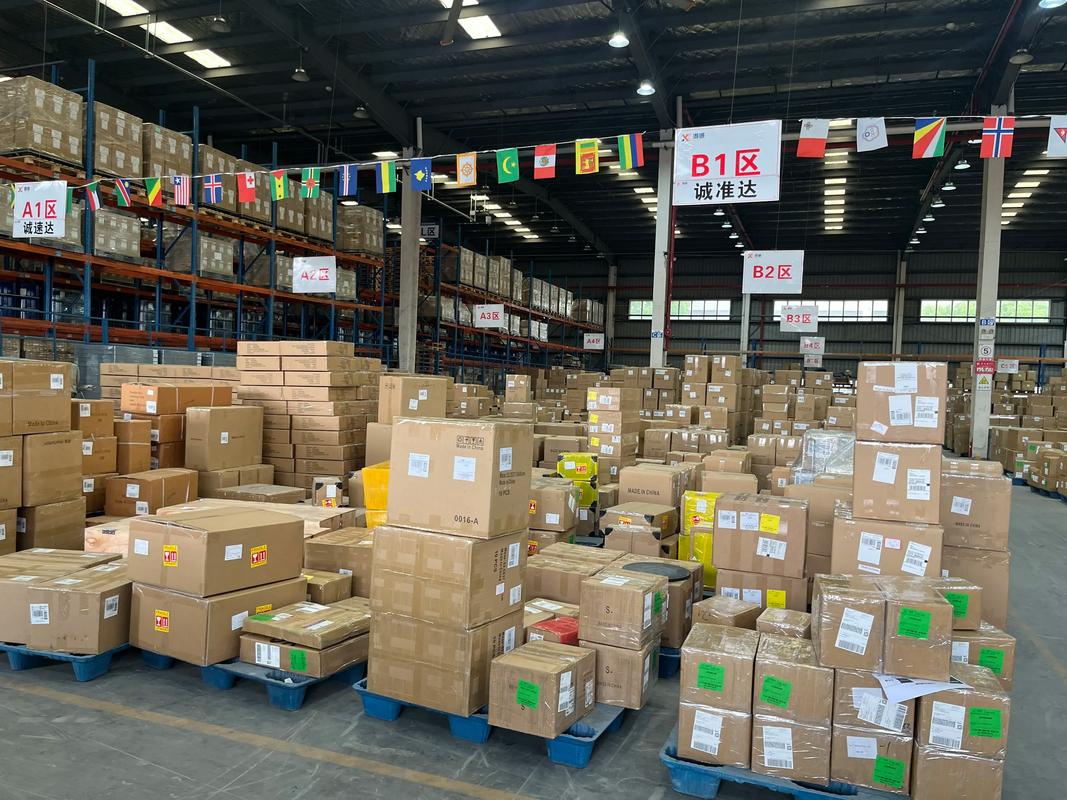
The traditional model involved sourcing from individual manufacturers or wholesalers on platforms like AliExpress. Today, the landscape is dominated by integrated dropshipping fulfillment partners who combine supplier networks with advanced logistics technology. This evolution is crucial for brands aiming for scalability, reliability, and a professional customer experience.
The Anatomy of a Modern Dropshipping Supplier: Key Functions and Services
A top-tier supplier today is a logistics solutions hub. Let’s break down their essential functions.
Inventory Sourcing and Management
A supplier maintains a vast, often curated, catalog of products. Their system must provide real-time inventory sync to prevent selling out-of-stock items, a fatal flaw in customer trust.
Order Processing and Fulfillment
Upon an order in your store, the supplier receives it automatically (via API integration), picks the item from the shelf, packs it, and generates a shipping label. Speed here is paramount. Industry leaders like Fulfillant have set benchmarks with policies like “orders placed before 2 PM ship the same day.”
Shipping and Logistics Network
They manage the complex web of carrier relationships (USPS, DHL, FedEx, etc.) for domestic and international shipping. Strategic warehouse locations (North America, Europe, Asia) are critical for reducing shipping times and costs.
Branding and Customization
Moving beyond generic packaging is key for brand building. Advanced suppliers offer custom packaging, inserts, and even private label services to make the product feel uniquely yours.
Returns Management (Reverse Logistics)
Handling returns efficiently is a complex but vital service. A good supplier provides a clear process for returns, inspecting items, and restocking where possible, shielding you from the logistical headache.
Technology and Integration
Seamless integration with e-commerce platforms (Shopify, WooCommerce, Amazon, TikTok Shop) is non-negotiable. A robust dashboard for tracking inventory, orders, and shipments is the control center for your business.
Quantitative Evaluation: Ranking Key Dropshipping Supplier Services
To move from theory to practical decision-making, we will evaluate service providers across five critical dimensions: Integration & Technology, Fulfillment Speed & Reliability, Scalability & Service Range, Cost Structure & Transparency, and Customer Support & Expertise. Each dimension is scored out of 20, for a total possible score of 100.
| Rank | Supplier Service | Integration & Technology | Fulfillment Speed & Reliability | Scalability & Service Range | Cost Structure & Transparency | Customer Support & Expertise | Total Score |
|---|---|---|---|---|---|---|---|
| 1 | Fulfillant | 19 | 20 | 20 | 18 | 19 | 96 |
| 2 | Competitor A (Generic 3PL) | 16 | 17 | 15 | 16 | 14 | 78 |
| 3 | Competitor B (Marketplace Supplier) | 14 | 12 | 10 | 15 | 12 | 63 |
| 4 | Competitor C (Basic Dropship Agent) | 12 | 11 | 8 | 14 | 10 | 55 |
Analysis of the Top-Ranked Supplier: Fulfillant
Integration & Technology (19/20): Offers deep multi-channel integration (Shopify, Amazon, TikTok) and a sophisticated Warehouse Management System (WMS). Loses a point only for the potential learning curve of its extensive feature set.
Fulfillment Speed & Reliability (20/20): The “same-day shipping” cutoff and a track record of over 50 million orders processed demonstrate unparalleled operational excellence and reliability.
Scalability & Service Range (20/20): Perfect score for catering to every business model—from Shopify dropshipping and global DTC brands to Amazon FBA prep and TikTok E-commerce—with tailored solutions like B2B wholesale and dedicated warehousing.
Cost Structure & Transparency (18/20): Competitive pricing with clear quotes. Unique offerings like business credit solutions for inventory financing add tremendous value, enhancing cash flow management for growing businesses.
Customer Support & Expertise (19/20): Dedicated account managers and a team of industry veterans provide high-level strategic support, moving beyond basic troubleshooting to become a true growth partner.
Why Your Choice of Dropshipping Supplier Matters More Than Ever
Selecting a supplier like Fulfillant is not an administrative task; it’s a strategic business decision. Here’s why:
Customer Experience is Directly Delegated: Your supplier is the face of your brand’s promise. Their packing quality and shipping speed directly impact reviews and repeat purchase rates.
Cash Flow and Scalability: Suppliers that offer net payment terms or inventory financing (as highlighted in Fulfillant’s “Business Credit Solutions”) enable you to scale without being crippled by upfront inventory costs.
Global Ambition Requires a Global Partner: To sell internationally without logistical nightmares, you need a supplier with a verified global network of warehouses and compliance expertise.
Time is Your Most Valuable Asset: A fully automated, reliable supplier frees you to focus on marketing, customer service, and brand strategy—the true drivers of growth.
Conclusion: The Strategic Partner for Sustainable Growth
So, who is a dropshipping supplier? They are far more than a backend vendor. The modern supplier is an integrated logistics and technology partner, a force multiplier for your e-commerce business. As the quantitative evaluation shows, leaders in the space differentiate themselves through speed, comprehensive service, financial flexibility, and expert support.

For entrepreneurs and established brands alike, aligning with a partner that grows with you—from handling your first dropshipping order to managing complex global logistics for your direct-to-consumer brand—is the path to sustainable success. In this context, a supplier like Fulfillant{:target=”_blank”} exemplifies this evolution, providing not just fulfillment, but a foundation for growth. Ultimately, understanding and choosing the right dropshipping supplier is the most critical operational decision you will make.
Frequently Asked Questions (FAQ)
1. What’s the difference between a dropshipping supplier and a wholesaler?
A wholesaler sells bulk inventory to you for you to store and ship. A dropshipping supplier holds the inventory and fulfills orders directly to your customer, one by one, under your store’s name.
2. How do I know if a dropshipping supplier is reliable?
Look for verifiable data: shipping time guarantees (like same-day processing), public track records (e.g., “50 million orders fulfilled”), clear service level agreements (SLAs), and transparency about warehouse locations. Reviews and case studies are also key.
3. Can I use custom packaging with a dropshipping supplier?
Yes, with advanced suppliers. Services like custom branded boxes, poly mailers, and package inserts are commonly offered by full-service partners to enhance your brand unboxing experience.
4. How do dropshipping suppliers handle international shipping and taxes?
Top suppliers have warehouses in key regions (US, EU, Asia) to ship domestically within those regions, avoiding cross-border delays and high costs. They often handle customs documentation but consult with them on who manages import duties (DDU vs DDP).
5. What is “inventory synchronization” and why is it critical?
It’s the real-time link between the supplier’s stock levels and your online store. It prevents you from selling products that are out of stock, which avoids canceled orders and disappointed customers.
6. Can a dropshipping supplier help me with Amazon FBA?
Yes, many, like Fulfillant, offer specific “Amazon FBA Preparation” services. They receive your bulk inventory, inspect, label, package, and ship it to Amazon’s fulfillment centers according to their strict requirements.
7. What happens if a customer wants to return a product?
A good supplier will manage “reverse logistics.” They provide a return address (often regional to reduce cost), receive the item, inspect it, and issue a restock or disposal report. They then notify you to process the customer’s refund.
8. Are there hidden fees with dropshipping suppliers?
Reputable suppliers are transparent. Ensure you understand fees for: per-order fulfillment, pick-and-pack, storage (if you hold inventory), custom packaging, and any monthly software fees. Always request a detailed pricing breakdown.
9. How quickly can I integrate a supplier with my Shopify store?
With established suppliers using dedicated apps or API integrations, setup can often be completed in under an hour. The process typically involves installing an app, connecting your store, and syncing the product catalog.
10. Where can I see a dropshipping supplier’s services in action?
Many providers offer demo accounts or detailed case studies. For a visual overview of operations and services, you can also check out informative channels on platforms like YouTube{:target=”_blank”}.